



Finding Balance in Parenting: Structure vs. Gentle Approach
The Power of Structure in Childhood Development
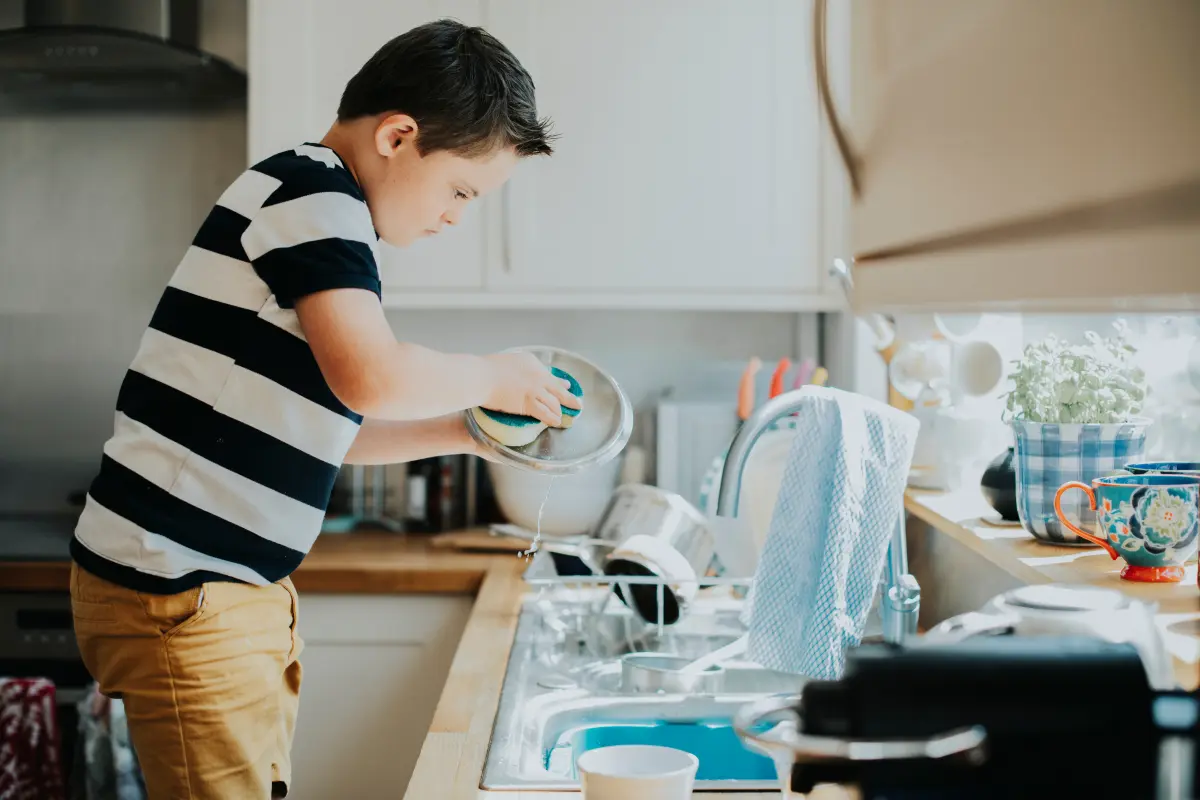
A viral Instagram post has sparked widespread discussion about parenting approaches after a man shared the detailed chore list his father created for him when he was just eight years old. Garnering 1.6 million views, the post featured a comprehensive two-page document outlining specific tasks the child was expected to complete before school, after school, and on particular days of the week. The meticulously typed list included everything from making his bed immediately upon waking to adhering to precise departure times for school, managing trash removal, and handling laundry responsibilities. The poster acknowledged that while his father was “the coolest man on earth,” he also maintained “hella structure & rules in the house”—a combination that seemingly contributed to positive development rather than resentment.
Public Response Highlights Shifting Parenting Norms
The response to this structured approach was overwhelmingly positive, with many commenters lamenting the absence of similar discipline in contemporary households. One commenter emphasized that a parent’s fundamental responsibility is preparing children for “REAL LIFE,” noting that such chores foster integrity and work ethic while building essential life skills. Others shared their own experiences implementing similar expectations for their children, contrasting this with concerning observations of adults in their thirties who remain dependent on parents for basic tasks like laundry. This sentiment was echoed throughout the comments section, with many expressing appreciation for the father’s detailed approach to instilling responsibility and accountability—qualities some believe are increasingly rare in modern parenting.
The Contrast with “Gentle Parenting”
The structured approach depicted in the viral post stands in stark contrast to the “gentle parenting” philosophy embraced by many contemporary parents. This controversial method emphasizes establishing boundaries without raising one’s voice while encouraging children to fully experience and express their emotions. Critics suggest this approach can inadvertently lead to behavioral issues including tantrums, emotional meltdowns, and a general disregard for parental authority. The gentle parenting movement represents a significant shift from previous generations’ more directive parenting styles, reflecting evolving cultural attitudes about child development and the parent-child relationship. However, as the viral chore list demonstrates, many people question whether this shift has gone too far in removing necessary structure from children’s lives.
When Gentle Parenting Goes Awry
The limitations of gentle parenting were highlighted by one mother’s candid social media confession about her regrets. She described her conscientious efforts to validate every emotion, extensively process feelings, explain each boundary, make compromises, and avoid harsh punishments—all practices aligned with gentle parenting philosophy. Despite believing she “was doing it right,” this mother observed concerning outcomes in her children’s development. Her post revealed that her children had become anxious, insecure, and entitled—outcomes directly contrary to her parenting intentions. This mother’s critical self-reflection led to an important realization: what she had been practicing wasn’t truly gentle parenting but had “slipped into permissive parenting without realizing it,” highlighting the fine line between these distinct approaches.
The Case for Balance in Child-Rearing
The viral chore list and subsequent discussion illuminate a crucial consideration for modern parents: the potential value of incorporating elements from different parenting philosophies rather than rigidly adhering to a single approach. While the extensive structure provided by the father in the viral post might seem excessive to some contemporary parents, the positive reception suggests many recognize the benefits of clear expectations and accountability. Similarly, while gentle parenting aims to respect children’s emotional experiences and develop their internal motivation, without sufficient boundaries and expectations, it risks devolving into permissiveness that poorly prepares children for adult responsibilities. The most effective approach may combine clear structure and expectations with empathetic understanding of children’s developmental needs and emotional experiences.
Learning from Different Generations of Parenting Wisdom
As parenting styles continue to evolve, the viral chore list serves as a reminder that there’s wisdom to be found in approaches from different eras. Today’s parents face the challenge of navigating a wealth of often contradictory parenting advice while raising children in a rapidly changing world. Rather than dismissing previous generations’ emphasis on structure and responsibility as overly harsh, or rejecting newer approaches focused on emotional intelligence and autonomy as too permissive, there’s value in thoughtful integration of both perspectives. The ideal balance likely includes clear expectations and responsibilities that prepare children for independent adulthood, delivered with the emotional intelligence and respect for autonomy emphasized in more contemporary approaches. By learning from both the structured father who created the viral chore list and the insights of modern developmental psychology, parents can forge approaches that honor children’s dignity while effectively preparing them for the realities of adult life.