




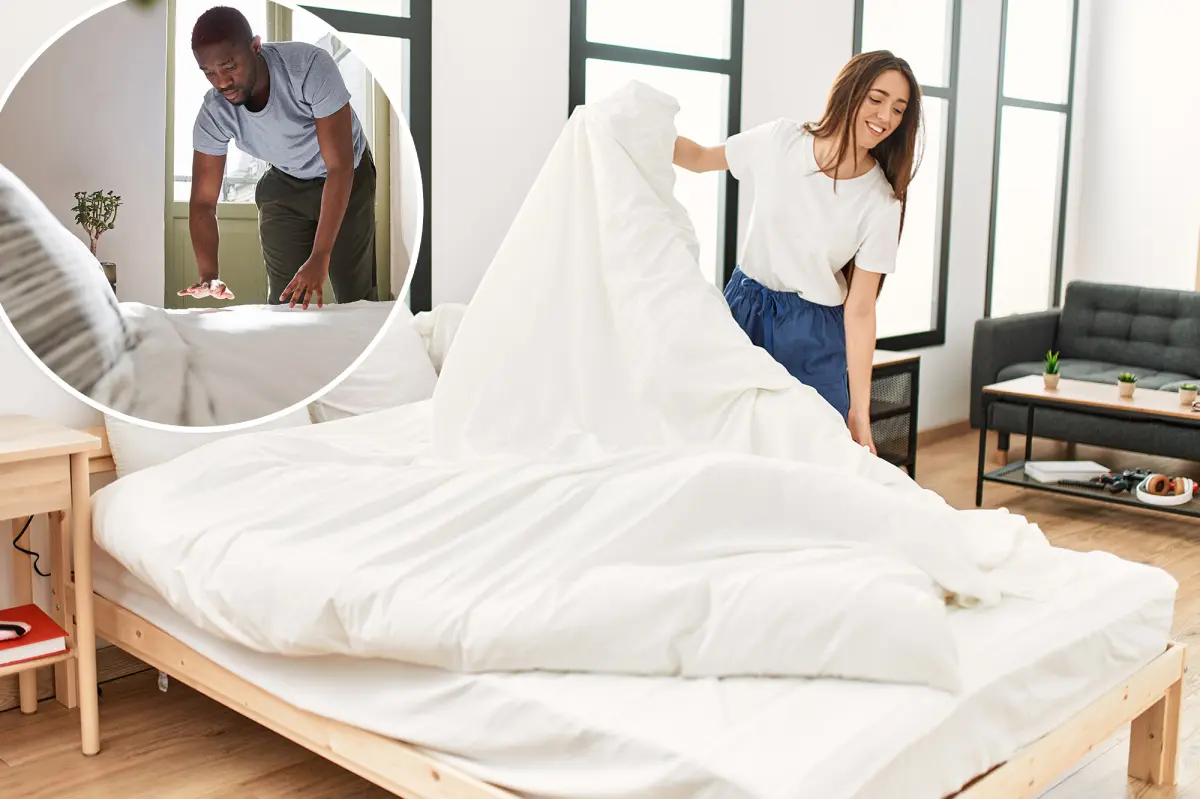
Making Your Bed or Not: The Surprising Science Behind Morning Routines
For years, the advice to make your bed first thing in the morning has been touted as a cornerstone habit of successful people. We’ve heard countless experts claim that this simple ritual can improve sleep quality, enhance intimate relationships, boost productivity, and even reduce anxiety. It’s become such common wisdom that questioning it seems almost heretical. But what if science suggests that leaving your bed unmade might actually be better for your health? Recent research is challenging this long-held belief, revealing an unexpected benefit to breaking this supposedly essential morning habit.
The culprit at the center of this bed-making controversy is the humble dust mite—a microscopic organism that thrives in warm, humid environments like bedding, mattresses, and upholstered furniture. These tiny creatures are among the most common indoor allergens worldwide, and they particularly flourish during winter months when our homes are sealed up with limited ventilation and heating systems working overtime. What makes this relevant to your bed-making routine is that when you immediately make your bed after waking, you’re essentially creating the perfect environment for dust mites to multiply. The warmth and moisture generated from your body during sleep—through natural sweating and breathing—becomes trapped beneath neatly tucked sheets and comforters, creating what scientists describe as a “toasty microclimate” that these microscopic organisms find irresistible.
A groundbreaking study from Kingston University in London found that this simple change in routine—leaving your bed unmade for a period—can significantly reduce dust mite populations in your bedding. The science is straightforward: when bedding remains open to the air, the trapped moisture from sleep evaporates more quickly, creating drier conditions that are hostile to dust mites. These tiny creatures require humidity to survive, and without it, they become dehydrated and their numbers diminish substantially. It’s a passive yet effective method of pest control that requires no chemicals or special equipment—just a willingness to temporarily embrace what some might consider a messy habit.
This isn’t merely about tidiness preferences; it’s about health. Dust mites are notorious for causing a range of health issues, from skin irritations to severe respiratory problems. Research indicates that approximately 10% of the general population and a staggering 80% of allergy sufferers react negatively to dust mite waste and decomposing bodies. For people with asthma, these allergic responses can trigger particularly dangerous episodes. Perhaps most alarming is the sheer scale of the potential infestation—scientists estimate that up to one million dust mites could be moving around your mattress at any given time. This makes dust mite management especially critical for vulnerable populations like young children, older adults, and those with chronic respiratory conditions or sinus issues.
The solution, however, isn’t to simply abandon bed-making altogether. Instead, experts recommend a more nuanced approach: adjust when you make your bed rather than if you make it. Allow your bedding to “air out” for at least an hour each morning by pulling back the covers, opening windows (weather permitting), and allowing fresh, moving air to circulate throughout your bedroom. This airflow helps disperse moisture and lower humidity levels, making your bed a much less hospitable environment for dust mites to establish colonies. If your morning schedule doesn’t allow time for this before leaving for work, consider making your bed when you return home instead, ensuring that it’s had adequate time to dry out during the day.
Beyond this daily airing ritual, maintaining a clean sleeping environment requires additional regular maintenance. Experts recommend washing your sheets weekly on a high-temperature cycle with a laundry cleanser specifically designed to kill bacteria. Your mattress and surrounding area should receive a deeper cleaning monthly, ideally using a vacuum with a HEPA filter and possibly a steam cleaner to eliminate germs and bugs that have established themselves deeper in your bedding. Don’t forget that duvets and pillows need attention too—these should be laundered approximately every six months to maintain a truly hygienic sleeping environment. By incorporating these practices into your routine, you can enjoy both the psychological benefits of a neatly made bed and the health advantages of reduced dust mite exposure—proving that sometimes the best solutions aren’t about choosing between competing pieces of advice but finding a thoughtful balance between them.