






Social Media ‘Likes’ and Marriage: A Digital Age Dilemma
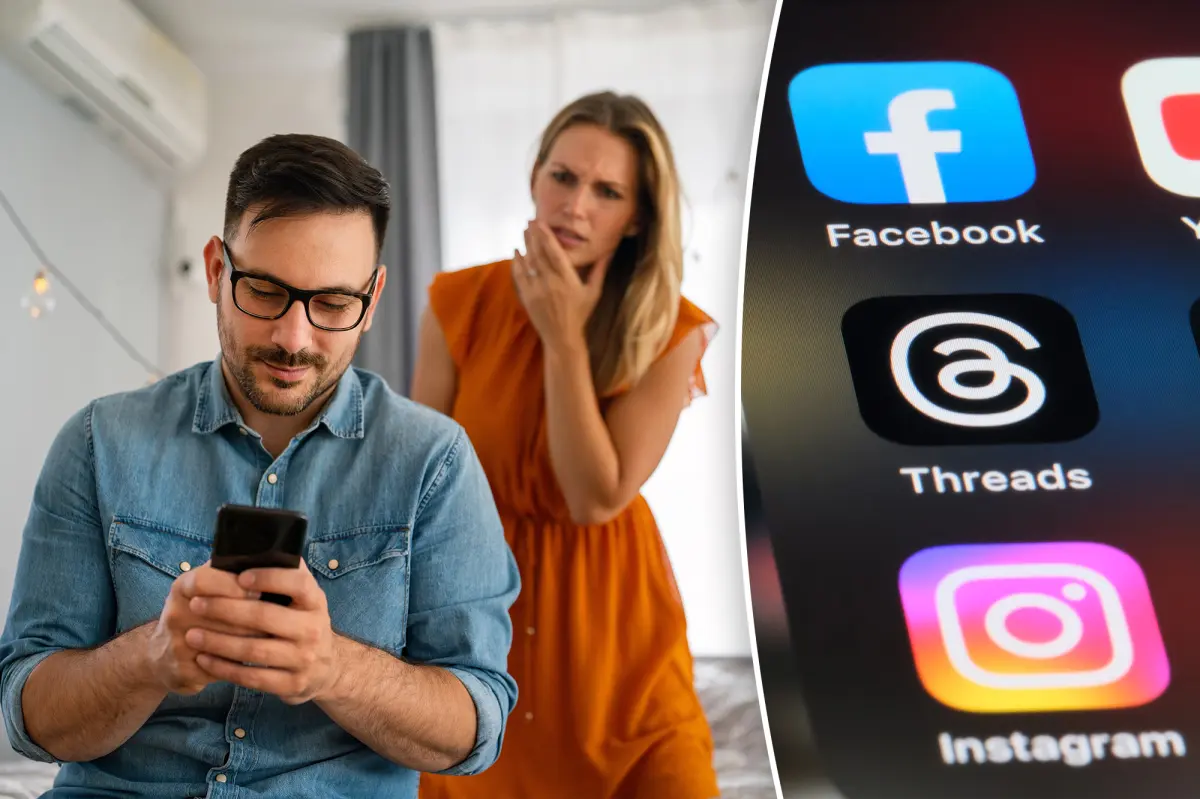
In a groundbreaking decision that has sparked global conversation about digital fidelity, a Turkish court has ruled that liking other women’s social media posts—commonly known as “thirst traps”—can constitute grounds for divorce. The landmark case involved a couple from Kayseri, where the Court of Cassation (Turkey’s highest court) determined that the husband, identified only as S.B., had “undermined marital trust” through his online behavior. While both spouses had filed for divorce with various accusations against each other, the court found the husband more at fault specifically citing his pattern of engaging with other women’s photos online. This ruling has raised important questions about the boundaries of digital behavior within marriages worldwide, forcing many to reconsider how seemingly innocuous online actions might be interpreted by partners and potentially, legal systems.
The Turkish case highlights the evolving intersection of technology and relationships, where digital interactions can now carry significant weight in assessing marital conduct. The wife, H.B., had accused her husband not only of the social media indiscretions but also of belittling her and failing to provide financial support. Meanwhile, the husband countered with claims that his wife had insulted his father, displayed excessive jealousy, and posted offensive comments online. After weighing these competing claims, the court not only granted the divorce but ordered the husband to pay damages and spousal support, establishing a clear precedent in Turkey that online behavior can have tangible legal consequences in marital disputes. This ruling represents one of the first times a major court has explicitly recognized social media activity as potentially constituting a breach of marital trust worthy of legal consideration.
While the Turkish ruling has generated headlines globally, legal experts emphasize that its implications vary dramatically between countries with different divorce laws. As Australian lawyer Jahan Kalantar explains, “Australian law is very different from Turkish law. Turkish law is an ‘at-fault’ system, so if somebody is responsible for the breakdown of the marriage, it will have some sort of impact.” By contrast, Australia operates under a no-fault divorce system introduced in 1975, where the only requirement is proving an “irretrievable breakdown of the marriage” through twelve months of separation. There’s no need to demonstrate wrongdoing of any kind. This fundamental difference means that while social media behavior might severely damage trust within a relationship, it wouldn’t specifically factor into divorce proceedings in many Western nations that have adopted similar no-fault approaches to ending marriages.
Despite the varying legal ramifications, relationship experts have increasingly recognized the emotional impact of questionable social media behavior, giving rise to the concept of “micro-cheating.” This term, coined by Australian psychologist Melanie Schilling, describes small but meaningful acts of betrayal that occur primarily in digital spaces. Schilling defines micro-cheating as “a series of seemingly small actions” that “indicate a person is emotionally or physically focused” on someone “outside their relationship.” These can include consistently liking or commenting on a particular person’s posts, sending flirtatious private messages, or maintaining secret digital relationships. The concept resonates with many people’s experiences of feeling betrayed by partners whose online behavior suggests divided attention or inappropriate interest in others. The discovery of such behavior often happens when one partner begins monitoring the other’s digital activity out of growing suspicion, potentially creating a cycle of mistrust that can ultimately damage relationships regardless of legal considerations.
The Turkish case underscores how digital communication has fundamentally altered the landscape of marriage and partnership. Social media platforms create unprecedented opportunities for spouses to interact with others outside their relationship in ways that previous generations simply couldn’t. A generation ago, showing interest in another person typically required physical presence or direct communication; today, a simple double-tap on an Instagram photo can communicate interest or appreciation, often viewable by anyone, including one’s partner. This visibility of digital interactions means that behavior that might once have remained private is now potentially public, creating new sources of jealousy, insecurity, and conflict. As relationships increasingly exist both online and offline, couples are forced to navigate complex questions about what constitutes appropriate boundaries in digital spaces, with different partners potentially having vastly different expectations about acceptable behavior.
While the Turkish ruling may not create direct legal precedent outside its jurisdiction, lawyer Jahan Kalantar offers universal wisdom applicable regardless of legal systems: “The number one thing that brings down people is usually their behavior, and social media just gives you a platform to largely announce your behavior to the world.” His advice emphasizes that even when social media activity doesn’t constitute legal grounds for divorce, it can still profoundly impact relationships. “While it’s not strictly relevant in a legal context, the way you conduct yourself online is going to have consequences, including making your partner very upset,” Kalantar notes, adding that regardless of legal implications, mutual respect should guide online behavior in committed relationships. As our lives increasingly unfold across digital platforms, this case serves as a reminder that the boundaries of fidelity and respect aren’t limited to physical interactions but extend to every like, comment, and message we send in the digital realm, with potential consequences for our most important relationships.