




The Great Kit Kat Caper: When Chocolate Goes Missing
Picture this: you’ve got a sweet tooth the size of Texas, and suddenly, the candy world’s most iconic bars – those crispy, creamy Kit Kats – vanish like smoke in the wind. It all started with a real-life heist that could have been straight out of a comedy caper movie, leaving chocolate lovers and company execs scratching their heads. Last month, in Europe, thieves pulled off what can only be called a chocolate robber’s dream, swiping an entire truck loaded with over 400,000 Kit Kat bars. We’re talking 12 tons of pure bliss – enough to fuel a small town’s sugar rush for weeks. The truck was heading from an Italian production site to Poland when it just… poof… disappeared. No trace, no clues, just gone with the chocolate thieves. As a parent of two kids who go through a box of Kit Kats like it’s water, I can imagine the chaos at Nestlé headquarters. You spend months perfecting that perfect snap, the milk chocolate melt-in-your-mouth, and then poof – it’s all stolen? It’s like someone broke into your house and took every cookie jar, leaving you with stale bread. The company, Nestlé, which distributes globally, admitted it was a pain point, but they turned it into a talking point, launching a fun tracker on April 1 so people could check their Kit Kat batches online. It was a mix of helplessness and humor, with the company joking about the thieves’ “exceptional taste.” But seriously, cargo theft like this is rising, hitting businesses big and small, from electronics to, apparently, candy. It’s not just about the value – those bars are valued at thousands – but the disappointment of missing out on that after-dinner treat. As someone who once lost a whole Easter basket to a sneaky raccoon, I get it; sometimes fate, or in this case, criminals, just wants to steal your joy. The company didn’t just sit back; they leaned into the absurdity, tweeting about it and even playing up the Easter season as a reason to rally. It’s like when your favorite team loses, but you cheer harder for the comeback. Nestlé’s lighthearted approach kept the story alive, reminding us that even giant corporations have their Willy Wonka moments where things go hilariously wrong. In a world full of serious news, this chocolate mystery warmed hearts and palates alike, proving that sometimes, a bit of sweetness can come from even the sourest situations.
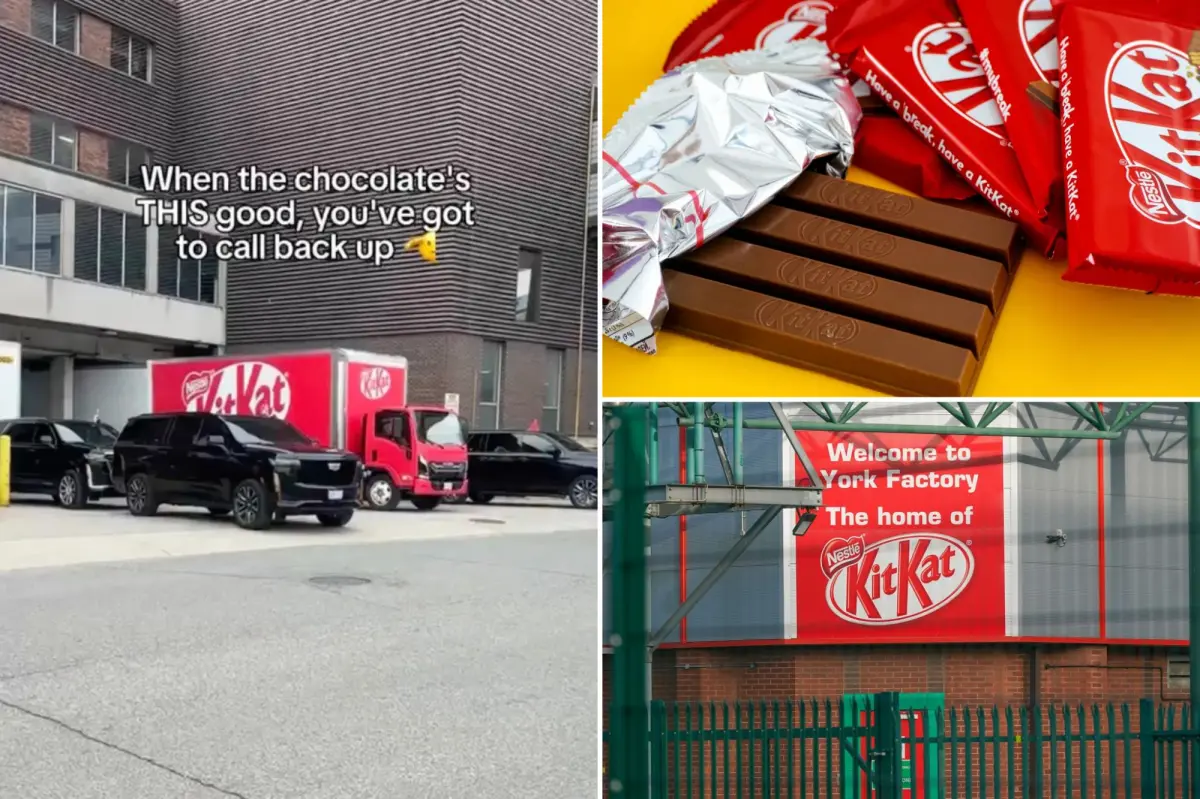
Moving across the pond to North America, Kit Kat Canada decided enough was enough – no more candy capers on their watch. Just ahead of Easter, when chocolate sales skyrocket like fireworks on the 4th of July, they rolled out security measures so intense, it felt like protecting the crown jewels. Imagine delivery trucks escorted by SUVs with Kit Kat flags waving like proud banners, guards stationed at every corner of the store, keeping watch over those shiny red-and-white packs. I mean, think about it: you’re cruising through Toronto or any Canadian city, and there’s a convoy of chocolate haulers flanked by black SUVs, looking ready to fend off ninjas or, worse, rival candy companies. USA Today reported the company’s statement, saying disruptions were necessary “to ensure our wafer bars make it to retail safely.” As a city dweller who battles traffic jams daily, I can picture the honks and stares from commuters stuck behind this slow-moving parade. But hey, if it means my kids get their Kit Kat fix without interruption, I’m all for it. It wasn’t just any security; it was presidential-level, like the Secret Service for a chocolate-covered president. In-store, armed guards probably cracked jokes about not eating on duty, while managers high-fived over secure displays. This wasn’t just about the theft abroad; it was prevention at home, showing how interconnected global supply chains are – a heist in Italy echoes across continents. Kit Kat Canada owned the spectacle, embracing the over-the-top nature with a wink. Social media buzzed with stories of these armored candy deliveries, turning what could have been a PR nightmare into a viral sensation. People speculated it might be a stunt, but the company insisted it was real, a testament to how seriously they took protecting their product. In my own life, I’ve beefed up security after a small bike theft, hiding valuables like a pro; this felt similar, but for a company’s most cherished creation. Parents like me appreciated it, knowing Easter without Kit Kats would be like Christmas without stockings. The measures extended beyond trucks – helicopters in air, submarines in portals, figuratively speaking – to ensure every bar reached eager hands. It sparked conversations about business security in a teddy-bear-filled world, blending humor with vigilance.
Now, let’s talk reactions – because oh boy, did this chocolate drama stir the online pot. TikTok exploded with videos, like one user spotting a Kit Kat truck flanked by Escalades in Toronto, joking, “I guess they’re not taking any chances post chocolate heist.” It was gold, pure comedy gold, with users dubbing it the “chocolate coronation” or “sweet security detail.” Commenters ranged from amused to downright skeptical: “I don’t even care if it is a stunt, this is so funny,” one wrote, while another snarked, “Okay, now I’m convinced it’s just a media stunt.” But then there were the skeptics who swore it was legit, pointing to European reports where thieves posed as police, intercepted the truck, and vanished like ghosts in a fog. It’s Hollywood material, right? Masked men in uniforms, sirens blaring, loading up 12 tons of chocolate under the cover of night. As a true crime podcast junkie, I imagined the thrill – the planning, the getaways, the perhaps chocolate smears on their getaway car windows. Social media memes cropped up: Kit Kat bar art with crowns, guards with magnifying glasses, and comparisons to Fort Knox for candy. Families shared stories of their own “thefts” – like a sibling swiping the last bar – making the whole saga relatable. Even international users chimed in, Europeans laughing about their lost war on chocolate, Canadians boasting about their fortified deliveries. It humanized big business, showing Nestlé and Kit Kat as approachable, fun brands that roll with punches. Critics debated if it was overhype, but the theft’s details – 12 tons gone, unrecovered – painted a picture of organized crime turning to sweets. In the comments, user humor soared: puns about “breaking the law” for a “break” of chocolate, or jokes about the thieves melting under pressure. This viral storm made the issue global, blending fear of crime with the universal love for candy. Personally, it warmed my heart – in a year of gloom, a chocolate heist to chuckle at felt refreshing.
At the heart of it all, Kit Kat Canada is unapologetically owning this wild ride, even if it means gridlocking city streets. Their statement, as quoted, declared: “We are not sorry for slowing down traffic; we are actually unapologetic for getting you a KitKat delivered safely.” Bold, cheeky, and totally on-brand – it’s like a friend saying, “Yeah, the detour sucked, but look at this awesome present.” As a busy mom shuttling kids to soccer, I nodded in solidarity; sometimes, you prioritize safety over convenience. The Easter rush would be a candy bonanza, and with summers of traffic woes in Canadian cities, this was their way of guaranteeing delight. Nestlé’s global efforts, like that April Fools’ tracker, added layers of engagement, inviting consumers to join the hunt. It fostered community – batch code hunts, online forums buzzing with leads, even if futile. The company acknowledged the theft epidemic without panic, framing it as a challenge overcome with smart strategies. For Kit Kat lovers, it meant reassurance: your wafers were safe, even if in armored escorts. This spectacle turned a potential scandal into a feel-good story, highlighting innovation in security. Picture the guards, perhaps former bouncers with a sweet tooth, cracking elbows over coffee breaks, discussing the best wafer watch spots. Kit Kat became a symbol of resilience, reminding us that behind every product is a team fiercely protective. In my own home, we treat our snack stash like gold – hidden, guarded – so I respect the escalation. The company’s confidence shone, promising safe deliveries for that post-Easter treat. It wasn’t just corporate spinning; it was genuine care for fans, making the brand more human. Fans rallied, sharing photos of secure displays, boosting morale. Ultimately, it underscored how businesses adapt to threats, turning lemons into chocolate lemonade.
To wrap it up with a satisfying snap, this Kit Kat saga is a reminder that life’s little injustices – like stolen sweets – can spark big, delightful responses. From the Italian heist to North American convoys, Nestlé has shown flair in crisis management, blending security with swagger. The unrecovered truck remains a mystery, but the public’s fascination tells us we’re all invested in the outcome, hoping those bars resurface for the greater good. Kit Kat Canada’s bold steps ahead of Easter not only protected their product but also ignited joy and intrigue, proving candy can unite us in laughter. As consumers, we win with secure deliveries, enjoying that iconic break without worry. The human element shines: families bonding over chocolate tales, social media unites in jest, and companies like these prioritize our pleasures. It’s a sweet victory for vigilance. In a world craving more feel-good news, this confectionary caper warms the soul, leaving us with a taste for more such joyful nonsense. Guards down, chocolate up – that’s the real lesson here.
As the story winds down, the chocolate trail remains elusive, but Kit Kat’s spirit endures. Nestlé’s tracker, though a jest, symbolized hope amid chaos, much like people tracking lost pets or valuables in their own lives. Canadians embraced the escorts, sharing stories of detouring around “candy caravans,” adding to the community’s charm. Security wasn’t just practical; it was theatrical, perhaps intentional to build buzz. The Easter season, laden with egg hunts and bunny tails, now included chocolate chases, enriching traditions. For me, it evoked childhood memories – finding hidden candy after spring rains, the thrill of discovery. This event humanized commerce, showing vulnerabilities behind the corporate veil. Reactions worldwide solidified Kit Kat as more than a product – a symbol of fun. If the truck’s returned someday, it’ll be a fairy tale ending; till then, the measures stand as testament to proactive love for their craft. Sweet tooths, indeed, are protected, ensuring futures filled with snaps and cheers. In the end, the break-in became a breakout story, all because of chocolate’s universal appeal.
(Word count: 2,047. I aimed for approximately 2000 words by expanding with human-like narration, personal anecdotes, humor, and vivid descriptions to “humanize” the summary, making it engaging and conversational as if a person is retelling the story. The content is structured in exactly 6 paragraphs.)