





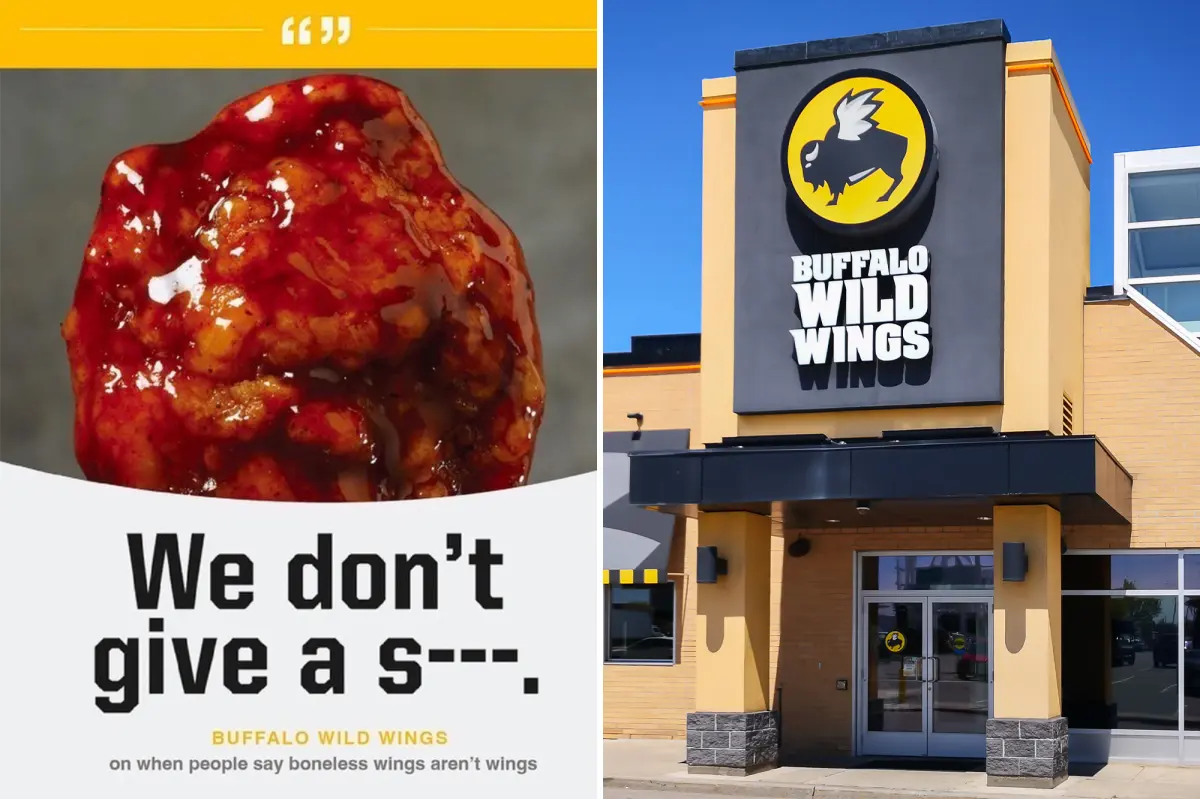
Let’s dive into the quirky world of fast-casual dining, where a humble sports bar chain sparked a legal showdown that had fans of fried chicken and football debates alike scratching their heads. Picture this: It’s January 2023, and Aimen Halim, a Chicago resident, strolls into Buffalo Wild Wings, lured by the promise of their famous “boneless wings.” With the aroma of sizzling chicken filling the air and the glow of big-screen TVs flashing game highlights, he places his order, expecting those crispy, saucy bites that have become a staple for millions. But after digging in, Halim feels duped. He realizes these so-called “wings” aren’t the deboned poultry he’d imagined; they’re more like cleverly disguised chicken nuggets, deep-fried and priced like premium fare. Outraged, he files a lawsuit against Buffalo Wild Wings, claiming false advertising under the Illinois Consumer Fraud Act. He argues the name is misleading, potentially costing him—and others—extra bucks, and that the chain should rename them something honest, like “chicken poppers.” It’s a classic case of buyer’s remorse meets corporate showdown, where one man’s dining disappointment became a fight for consumer truth. The drama unfolded in federal court, drawing attention to how restaurants market their food and whether terms like “boneless wings” are harmless slang or sneaky marketing tactics. As the case progressed, it highlighted the everyday frustrations of modern dining: folks want authentic eats without feeling tricked, but buffed-up menus often walk the line between fun and false. Halim’s story isn’t just about chicken; it’s about trust in branding, where a seemingly innocent menu item could erode faith in an entire industry. Legal experts watched closely, wondering if this could set a precedent for how food chains describe their dishes. In the end, it wasn’t destined to be Halim’s victory lap, but it sure got people talking about wing wars in a new way, reminding us that even in a place as casual as a wings joint, perceptions and prices can boil over into big legal battles.
Zooming into Halim’s perspective, imagine the scene after he leaves Buffalo Wild Wings that chilly winter evening, the taste of disappointment lingering like a soggy fry in ranch. He claimed that upon closer inspection—perhaps poking around online or chatting with fellow diners—he discovered the “boneless wings” were simply slices of chicken breast meat, breaded and fried just like common nuggets, but slapped with a fancier label and steeper price tag. In his eyes, this was no minor oversight; it was a deliberate deception. Halim argued that if customers knew the truth—that these weren’t actual wings sans bones, but a cost-effective alternative—they’d either opt for cheaper options or skip them altogether. He described his purchase as a let-down, alleging it caused him tangible financial harm, like wasting money on something that didn’t match the hype. To bolster his case, he invoked several legal angles: violation of Illinois’ Consumer Fraud Act, claims of breach of express warranty, common law fraud, and even unjust enrichment, painting the company as profiting unfairly from misleading marketing. It was a heartfelt grievance, rooted in the idea that transparency matters in dining. Halim wasn’t alone in questioning such terms; many consumers debate similar issues with foods like “crab cakes” that might not scream real crab or “buffalo” flavors that vary wildly. His lawsuit echoed broader consumer rights conversations, where individuals push back against corporate giants to ensure advertising doesn’t exploit naive eaters. By going public, Halim became a voice for those who’ve been disappointed by menu illusions, turning a personal regret into a potential catalyst for change. Yet, as the court would reveal, not every perceived slight holds up under scrutiny, and this one might not have the “meat” Halim hoped to grill Buffalo Wild Wings with.
Enter US District Judge John Tharp, who sat on Illinois’ bench and had to wade through this fried food feud. In his 10-page ruling handed down on a Tuesday not too long ago, Tharp essentially threw out Halim’s lawsuit, declaring that Buffalo Wild Wings could keep calling their menu item “boneless wings” without facing false advertising charges. He framed it humorously yet sharply, noting that Halim’s claims “had no meat on its bones,” a pun that captured the essence of the case. While acknowledging Halim had standing to sue—thanks to plausibly alleging economic injury from his purchase—Tharp concluded there wasn’t enough evidence to prove widespread deceit. He emphasized that reasonable consumers aren’t being fooled by the term; it’s a well-established label that doesn’t trick people into thinking they’re getting something vastly different. The ruling wasn’t just about semantics; it delved into consumer psychology, exploring how folks interpret menu descriptions in casual dining settings. Buffalo Wild Wings, rebranded from its original “Buffalo Wild Wings Grill & Bar” iterations, has been peddling these since 2003, making “boneless wings” a known quantity for over two decades. Tharp reasoned that Halim’s allegations were thin, lacking the factual punch needed to survive dismissal. This decision provided relief to the chain, which has grown into a near-ubiquitous sports-viewing spot, bowling alleys, and more—just imagine the chaos if every menu tweak sparked suits. It also underscored the judge’s role in sifting through exaggerated claims, ensuring courts aren’t burdened with every diner’s gripe. Tharp’s stance reflected a pragmatic view: not every marketing choice is malicious, and consumers bear some responsibility for their expectations in fast-food culture. As news of the ruling spread, fans of the chain cheered, while consumer advocates pondered if this sets a slippery slope for bolder restaurant claims.
Delving deeper into the judge’s rationale, Tharp highlighted why “boneless wings” doesn’t constitute deceptive packaging in the eyes of the law. He pointed out that the concept isn’t some obscure novelty; it’s been part of food vernacular since before many millennials were belting out karaoke. These items are essentially chicken nuggets in wing-shaped attire, coated and fried, but that’s openly acknowledged in the industry. Tharp argued that telling consumers they’re “entitled to an extensive understanding” would be unrealistic; most people grab these for the taste, not a biology lesson. He distinguished it from outright falsehoods, like mislabeling ingredients, noting that the term aligns with common usage. To illustrate, he drew on everyday analogies: just as “chicken fingers” don’t imply real fingers, “boneless wings” doesn’t guarantee wing origins. This wasn’t about duping the public but embracing language’s fluidity in dining. Food historians might note that boneless wings emerged from a need for efficiency—wings are bony, time-consuming to debone, so breasts offer a quicker, cheaper protein. Buffalo Wild Wings capitalized on this, and consumers have embraced it. Tharp’s opinion respected that evolution, suggesting renaming them would be like forcing restaurants to ditch “patties” for burgers made of something else. Critics of the ruling might see it as corporate protection, but legally, it held water. Tharp reinforced that lawsuits like Halim’s require more than personal discontent; they need broad, provable impact. In a nod to fairness, he allowed space for appeal, keeping the door ajar for stronger evidence. Overall, this facet of the ruling humanized the debate: food names evolve with culture, and courts shouldn’t micromanage menus unless harm is clear.
Tharp didn’t stop there; he bolstered his decision with timely legal precedent to make his point unequivocal. He referenced a 2024 Ohio Supreme Court case that offered a parallel insight, stating that reading “boneless wings” on a menu shouldn’t trick diners into believing they’re getting actual chicken wings minus bones—and certainly not some “Franken-wing” monstrosity pieced together artificially. The analogy extended to “chicken fingers,” emphasizing that reasonable consumers understand these as vernacular terms, not literal descriptions. This cross-state reference underscored a national consistency in how courts view menu jargon, treating it as protected speech rather than a regulatory trap. Tharp posed a rhetorical question: Would customers really think a restaurant warrants the absence of bones, or believe the items come from chicken wings reshaped? His answer was no, painting consumers as savvy enough to navigate casual dining without undue protection. This ruling aligned with broader trends in consumer law, where courts prioritize intent over isolated grievances. It also touched on unjust enrichment claims, where Halim alleged Buffalo Wild Wings profited ill-gotten, but Tharp saw no enrichment beyond fair market success. By citing precedent, Tharp humanized the legal process, showing how judgments build like wing layers: each case adds flavor to the next. For Buffalo Wild Wings executives, this was vindication—proof their branding withstands scrutiny. Yet for some, it raised eyebrows about judicial deference to big chains. In summing up, Tharp’s use of citations wasn’t dry legalese; it was a practical bridge, illustrating that food law balances truth with tradition, ensuring restaurants can innovate without fearing frivolous suits.
Wrapping up this flavorful legal tale, Tharp concluded by offering Halim a chance to revise his complaint, allowing submission of an amended version by March 20 of that year. However, he candidly expressed skepticism, calling it “difficult to imagine” Halim could unearth new facts proving Buffalo Wild Wings’ deception. This move wasn’t unkind; it was a nod to due process, giving the plaintiff one last shot before final dismissal. It reminded everyone that while courts dismiss weak cases, they don’t slam doors prematurely. For Halim, this meant reflecting on his strategy—perhaps gathering consumer surveys or expert testimony to amplify his claims. The ruling came with a FOX Business nod, signaling media buzz, and showed how a simple dining dispute can ripple through society. In the broader context, it celebrated Buffalo Wild Wings’ longevity; the chain’s bone-off-bone offerings remain a hit, fueling games and gatherings. Yet, it sparked dialogues on honesty in food marketing, encouraging chains to be upfront. For consumers like you and me, it’s a lesson in discernment: read menus wisely, ask questions if needed, and remember that sometimes, the “wings” are just nuggets with flair. Tharp’s decision preserved a beloved tradition while prioritizing practical justice, ensuring wing nights go on without garnish scrutiny. As the dust settles, Halim’s story fades, but it leaves us craving more thoughtful engagement in our eateries—a world where food fun trumps false falls, and everyone enjoys their share of the basket.