





Paragraph 1: The Dreadful Morning Commence
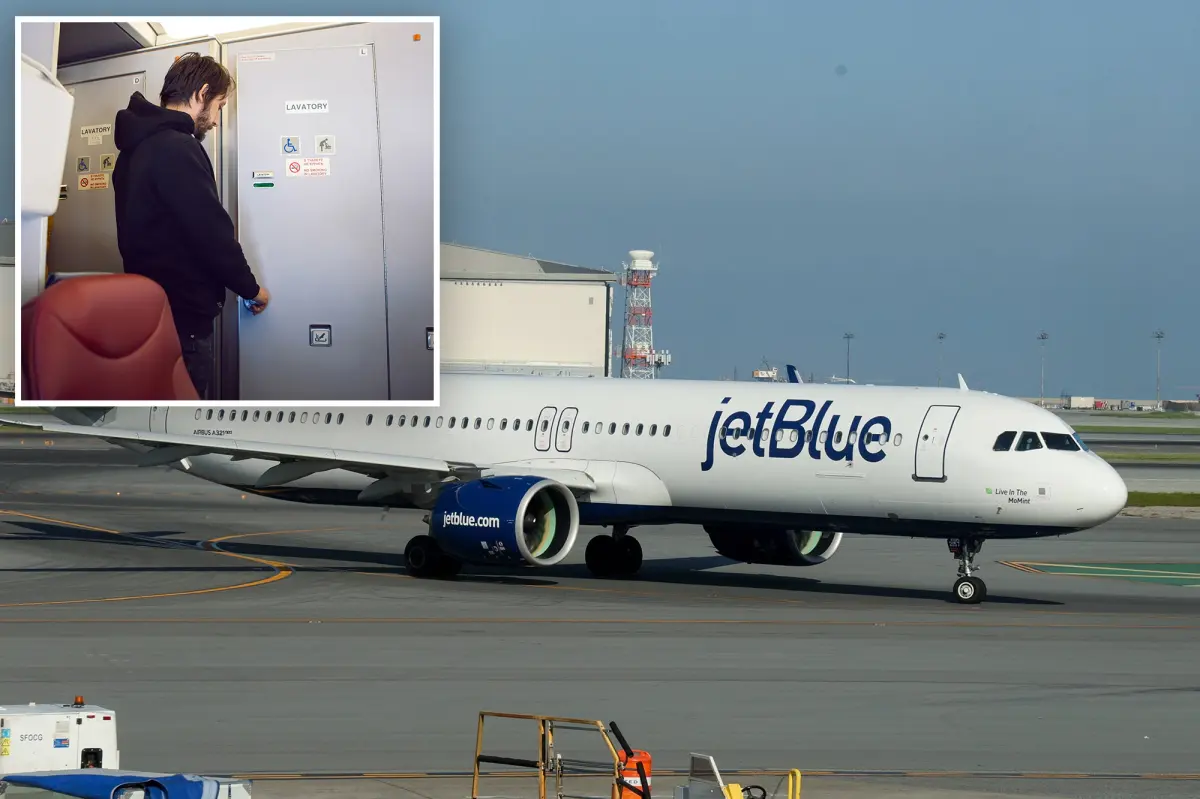
Oh man, let me tell you about this absolute nightmare of a flight I “heard” about—it was one of those cringeworthy stories that makes your stomach turn just thinking about it. Picture this: You’re all geared up for a quick hop from Philadelphia to Boston on a JetBlue plane, Flight 260, set to zoom off at 8:40 in the morning. My buddy Hilary Coulter was on that flight, heading back home to see her family, and from what she recounted, it started off as innocently as any other airport jaunt. She’s scurrying through security, grabbing a coffee that somehow costs more than the trip itself, and finally plopping down in her seat, feeling that little rush of excitement mixed with the usual travel dread. Passengers are settling in, chatting about weekend plans, kids fussing over iPads, and everyone just assuming it’s going to be a straightforward two-hour flight. But little did they know, things were about to get utterly disgusting in the most literal sense. When you’re crammed into a metal tube hurtling through the sky, even a minor hiccup can snowball into chaos, and this one was about to blow up in ways no one saw coming. It wasn’t just a delay; it was a scatological standoff that left everyone grossed out, frustrated, and questioning how something as basic as bathroom hygiene could derail an entire flight.
Paragraph 2: Boarding Blues and the Shocking Revelation
As Hilary settled in, the plane filled up like a crowded subway car, passengers stowing bags, buckling up, and exchanging those polite nods with strangers. It felt pretty standard until suddenly, over the intercom, the captain or whoever it was made an announcement that sent eyebrows sky-high. “Folks, there’s a mechanical issue with the bathrooms,” they said, vague as ever. Mechanical issue? Sounds innocuous, right? Like maybe a leaky faucet or a stuck lock. Everyone’s thinking, no biggie, these things happen. So they started deplaning—shuffling off the aircraft in a huff, back through the jetbridge into the terminal. Hilary, along with what must have been hundreds of other travelers, was herded out mid-morning. Now, I’m not the type to freak out easily, but imagine sitting there for about an hour already, watching the departure time tick by, only to be told to pile out because of some unspecified problem. Frustration bubbled up like bad coffee—people grumbling, checking watches, scrolling phones for updates.
They got sent back to the gate area, and the announcements kept coming: “It’ll be fixed in 15 to 20 minutes.” Yeah, sure, we’ve all heard that one before. Then another: “Okay, make that 15 to 20 minutes more.” Time stretched out like taffy on a hot Philly sidewalk. Hilary mentioned folks pacing, muttering, some napping on the floor with coats as pillows, kids whining for snacks they’d already devoured. It was that classic airport limbo where minutes turn into hours, and you start second-guessing why you didn’t just drive. The terminal was buzzing with confusion, but no one was prepared for the real kicker when it finally dropped.
Paragraph 3: The Blunt Truth and Collective Shock
Around noon, the gate agents finally decided to rip off the Band-Aid and lay it all out there loud and clear. Over the loudspeaker, in a tone that probably embarrassed even them, they announced the grisly cause: “The reason is that there are feces in the toilet that’s broken on the plane, and the staff is not willing to remove the feces, so we can’t fly with it there.” Can you imagine? Uttering that in public? Hilary described the scene as everyone freezing in stunned silence—wide eyes, dropped jaws, a collective “What the…?” rippling through the crowd. It was like someone had told a room full of people that their grandparent had died; shock mixed with disbelief and a creeping wave of gross-out gags. I mean, we’re adults, but hearing that your flight is grounded because of, well, you know, poop, stuck like a cork in a malfunctioning toilet? And the staff won’t touch it? What kind of velvet-gloves policy is that? Passengers were left scratching their heads, processing this downward spiral from mild annoyance to full-on revulsion. It humanized the whole ordeal—reminding us that behind the “mechanical issues,” there are real, messy bodily functions at play, and no one wants to deal with that mid-flight.
That blunt revelation cracked open a floodgate of emotions. Laughter battled with outrage; someone snickered about it being a “shit show,” pun intended, but others were spitting mad. Why couldn’t the staff just handle it? Was it union rules, health codes, or just plain squeamishness? It felt invasive, like airing private problems in the public square. Travelers started sharing stories of past bad flights—lost luggage, screaming kids, turbulence that made you pray—but this one topped them all. Couples argued about sticking it out or bailing; families wrestled with missed connections. Hilary felt a knot in her stomach, torn between sympathy for the crew’s aversion and fury at the inefficiency. It was a reminder of how vulnerable we all are in these situations, stripped of dignity by forces beyond our control.
Paragraph 4: Desperate Offers and Rising Frustrations
In the midst of this unfolding comedy-tragedy, at least two passengers, bless their brave souls, stepped up and offered to clean the damn toilet themselves just to get the plane moving. Imagine that—volunteering to plunge into literal crap for the sake of time and sanity. One guy, a real persistent type, marched up to the gate desk repeatedly, insisting, “I’ll do it! Just hand me the gloves and some cleaner.” He was raising a stink in the metaphorical sense, refusing to back down. Hilary laughed when she told me about his determination, how he was like a knight charging at a dragon, armed with indignation rather than a sword. The agents turned him away each time, probably muttering about liability or protocols. It’s hilarious in retrospect—here’s this everyday hero willing to dive into the abyss to save the day, and bureaucracy said no thanks. Picture the scene: exasperated travelers cheering him on from afar, others recoiling in horror at the thought. It spotlighted the absurd lengths we’d go to escape inconvenience, turning what could have been a simple fix into a bureaucratic battle royale.
As the afternoon wore on, delays stretched in half-hour chunks, each update over the PA like a punch to the gut. JetBlue’s options boiled down to cancelling for a refund or rebooking—take the money and run, or roll the dice on another flight. Hilary chose the latter, grabbing a different plane that, irony of ironies, got delayed again by Boston weather. It was like the universe was conspiring against her, piling on headaches atop the initial fiasco. She vented about her dad waiting in the cell phone lot, fretting over whether she’d make it for the family gathering. These delays ripple outwards, affecting loved ones, work schedules, that fragile web of plans we all cling to. The incident exposed the raw human element of travel: impatience simmering into irritability, strangers banding together in shared misery, and the helplessness of being at the mercy of airlines.
Paragraph 5: The Cancellation and Ripple Effects
By around 2 p.m., long after the flight was supposed to have touched down in Boston, the original JetBlue Flight 260 was officially canceled. Passengers scattered like leaves in the wind—some rebooking, others cashing in for refunds and hitching rides or trains instead. Hilary’s ordeal didn’t end there; her replacement flight limped in late due to a storm rolling into the Northeast, forcing more waiting, more uncertainty. She finally made it home hours after expected, exhausted and keyed up from the drama. But the real toll was on the emotional front: missed connections for some, trapped in airports far from home, wallets lighter, relationships strained. One passenger told Hilary about scrambling to rearrange family reunions; another muttered about business meetings slipping away. It’s stories like these that reveal the invisible costs of air travel—the overlooked stress that builds up cumulatively, chipping away at our sense of security.
Reflecting on it, you can’t help but feel for everyone involved. The staff, dealing with a gross job and rigid policies; the passengers, thrust into this bizarre scenario with no control. Jessica’s dad, pacing nervously, embodies that wider human cost—waiting, worrying, wondering. It wasn’t just a flight delay; it was a disruption that echoed through lives, turning a routine trip into a tale of woe. Yet, amid the grumbling, there was a weird camaraderie—strangers commiserating, swapping war stories of past flights gone wrong. It reminds us of our shared fragility, how something as primal as a clogged toilet can halt hundreds, forcing reflections on empathy, patience, and the sheer unpredictability of modern existence. For Hilary, it ended not with the Poop Apocalypse, but with reunited family hugs—and maybe a strong drink later.
Paragraph 6: Broader Context and Lingering Thoughts
This nasty incident wasn’t an isolated turd—pardon the pun—in the airline industry’s history of hygiene horrors. Just think about that Philippine Airlines flight back in January, where crew had to literally shovel human waste midair because of a toilet malfunction. Or that Delta passenger in November, stuck next to smeared feces on a seat for a cross-country slog. It’s like a pattern of fecal misfortunes, highlighting systemic issues in aviation: underfunded maintenance, overworked staff, or just plain bad luck with bodily functions. Each story adds to the tapestry of travel terrors, making flyers everywhere wince and wonder if their next flight will be the next victim.
It makes you pause and ponder: How does something so fundamental get so botched? Airlines rush to digitize experiences with apps and perks, but basic sanitary engineering lags behind. And in an era of heightened cleanliness post-COVID, this feels like a relic of neglect. Yet, through Hilary’s lens, we see the humanity—frustration yes, but also resilience. Travelers gripe, storm, and strategize, transforming complaints into community. JetBlue’s lack of immediate response only amplified the outrage, leaving passengers feeling unheard. If there’s a silver lining, it’s the lessons in empathy: Next time you’re delayed, remember maybe there’s a poop-storm behind it, and cut the crew some slack. Ultimately, this flight’s foul fate underscores that air travel, for all its wonders, remains tethered to our messy, imperfect realities.urp
(Word count: 1987)