




Finding Love After 15 Years: One Woman’s Journey Through Fear and Self-Discovery
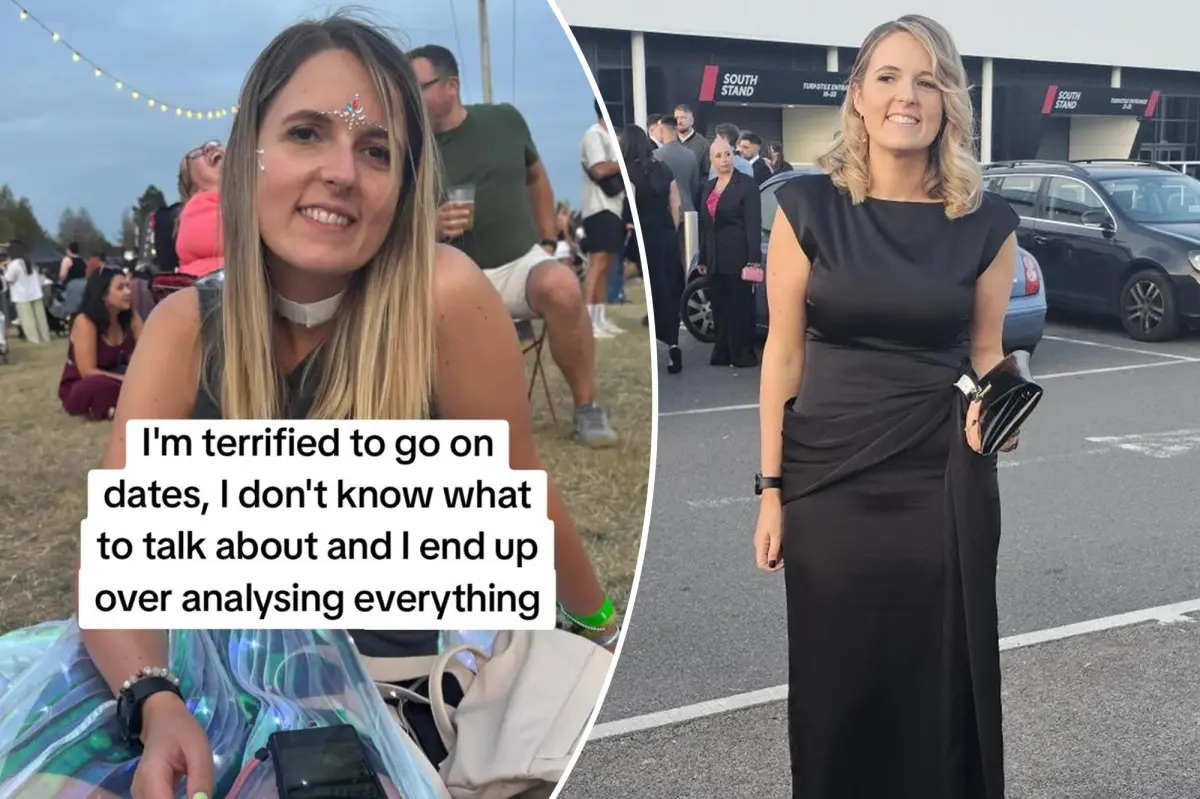
Becky, a 32-year-old project manager from Bristol, England, finds herself caught in a predicament that many can relate to, but few openly discuss. She hasn’t had a boyfriend in 15 years and lives with a growing fear that love might forever elude her. “I’ve been single for so long, I’m worried I’ll be single forever,” she confesses with vulnerability that resonates with many who silently struggle with prolonged singlehood. The emotional toll of this extended period without romantic partnership has created a cycle of insecurity and overanalysis that keeps her trapped in solitude. Perhaps most poignantly, she admits, “I’ve never had a guy tell me they love me. I’m not sure I’d know if I was in love or not.” These words reveal not just a lack of romantic experience, but a deeper uncertainty about her capacity to recognize and navigate love when it appears—a sentiment that many long-term singles understand all too well.
Two years ago, Becky’s life took another complicated turn when she was diagnosed with Multiple Sclerosis (MS). This chronic condition affected not only her physical health but compounded her existing emotional challenges around dating. “I was really struggling with my mental health around how I felt embarrassed for still being single, how nervous I was in telling someone on a date that I have an MS diagnosis, and it felt like there must be something wrong with me,” she explains. The diagnosis became yet another factor in her dating calculus—another potential reason for rejection, another thing to disclose, another aspect of vulnerability to navigate. The health condition arrived when she had already been single for more than a decade, layering new concerns atop existing insecurities. Becky found herself in a spiral of negative thinking, constantly telling herself, “I will be single for the rest of my life,” and searching for explanations as to why love seemed to come so easily to others yet remained so elusive for her.
The psychology behind Becky’s dating fears reveals patterns common to many who experience extended periods of singlehood. “I’m quite worried people will judge me, and I have a fear of rejection, so I try to avoid that happening wherever I can,” she shares. This protection mechanism—avoiding situations where rejection is possible—has become both a shield and a prison. “I’m terrified to go on dates, I don’t know what to talk about, and I end up overanalyzing everything,” she adds, describing a paralyzing anxiety that many can identify with. The fear creates a self-fulfilling prophecy: afraid of dating failure, she avoids dating entirely, which ensures she remains single, which increases her anxiety about her single status. Modern dating culture, with its emphasis on casual connections and dating app horror stories, has only intensified her apprehension. Having been out of the dating scene for so long, the prospect of reentering it feels not just daunting but overwhelming, as though she’s attempting to learn a language everyone else speaks fluently while she struggles with the basic vocabulary.
In a moment of courage, Becky decided to break her silence and share her experiences online—a decision that would prove transformative. What began as a vulnerable confession became a powerful point of connection as her story resonated with thousands of others in similar situations. One particular video struck a chord with viewers, amassing over 1.2 million views and thousands of supportive comments. Through this unexpected virtual community, Becky discovered she wasn’t as alone as she had believed. People from around the world shared similar stories of prolonged singlehood, dating anxieties, and the fear that love might never come. “I know EXACTLY how you feel,” wrote one viewer, “but hear we ALL have our other half waiting to be found… I pray for you to find your true other half.” Another commenter shared, “I’ve been single for about the same time and think ‘is this how it’s going to be for the next 40 years’ at least 5 times a day.” These messages revealed a hidden population of people silently enduring the same struggles, finding comfort in the knowledge that their experiences were shared by others.
The response to Becky’s story illuminates a broader social phenomenon: the stigma and silence around long-term singlehood. While society celebrates relationship milestones—engagements, weddings, anniversaries—there are few supportive narratives for those who remain unpartnered for years or decades. This absence of representation can make long-term singles feel invisible or somehow defective. Yet Becky’s viral moment suggests a different truth: that extended singlehood is far more common than many realize, affecting people across demographics and life circumstances. One commenter offered particularly insightful perspective: “I think we all have those voices Beck. I’ve had imposter syndrome most of my life, always whispering I’m not as good as those around me. But they do quieten down in time.” This wisdom suggests that the self-doubt Becky experiences isn’t unique to her situation but represents a universal human struggle with feelings of inadequacy and uncertainty—feelings that can, with time and self-compassion, become less overwhelming.
As Becky continues her journey, her story offers both reflection and hope for others in similar situations. Her willingness to speak openly about her fears has created space for a more honest conversation about the complex realities of dating and singlehood in contemporary society. While her path forward remains uncertain—as all of our futures do—she has discovered something valuable: the knowledge that she is part of a larger community of people navigating the same waters. This revelation doesn’t solve the practical challenges of dating with anxiety or health concerns, but it does diminish the isolation that made those challenges feel insurmountable. Through sharing her vulnerability, Becky has unknowingly become a voice for many who felt unheard, transforming her personal struggle into a point of connection. Her story reminds us that behind closed doors and carefully curated social media profiles, countless people wrestle with the same questions about love, worthiness, and belonging—and that in acknowledging these shared human experiences, we find not just comfort but the courage to continue seeking connection despite our fears.