


The Shrinking Skies: How Airlines Are Squeezing Passengers for Profit
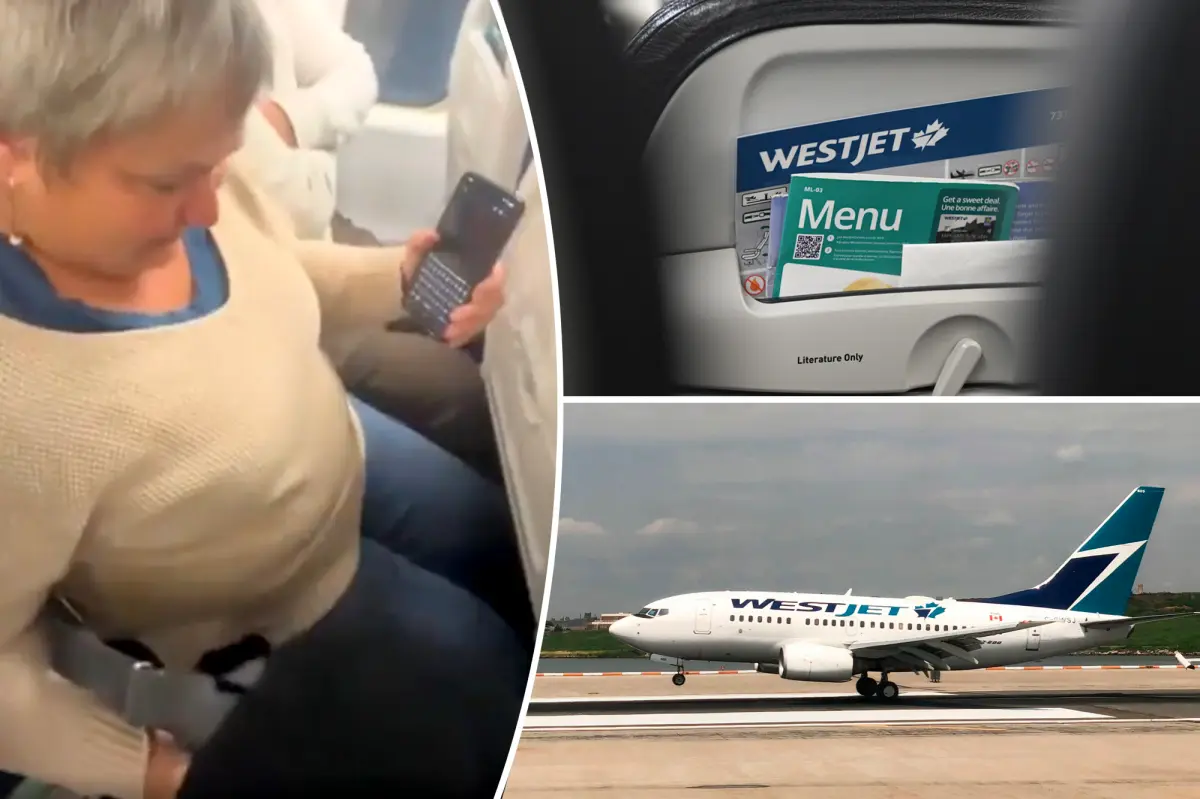
In a world where consumers have become accustomed to getting less for more, a new frontier of discomfort has emerged at 30,000 feet. The phenomenon of “shrinkflation” has taken to the skies as airlines increasingly reduce passenger space while maintaining or increasing fares. This reality was starkly captured in a recent viral Reddit video showing two WestJet passengers virtually imprisoned in their seats, with the seats in front literally hovering over their knees. “WestJet changed their seats, and this is how much leg room basic fares get,” explained the poster, whose parents were the unfortunate subjects of this claustrophobic demonstration. The video shows the couple unable to straighten their legs in any direction, forcing them to extend their limbs under the seats ahead in a configuration reminiscent of ancient rowing galleys. When their daughter playfully asks if they can straighten their legs, they respond with a simple, defeated “Impossible.” The mother even jokes about “sharing the leg space” with her husband, to which her daughter quips, “You have to pay for the other leg” – humor that masks a genuinely uncomfortable truth about modern air travel.
This reduction in personal space is not merely an isolated incident but part of WestJet’s strategic redesign featuring “fixed recline” seats in its new aircraft. This modification, which prevents economy passengers from reclining unless they pay extra for premium seating, allows the airline to squeeze in an additional row of seats. While the company markets this as creating “cheaper” fares for passengers, the trade-off in comfort is severe. WestJet has attempted to frame this change positively, with Samantha Taylor, their Executive Vice President and Chief Experience Officer, describing the cabin as “thoughtfully designed to offer WestJet’s welcoming service at every budget” and reflecting their “commitment to elevating every aspect of the travel experience.” This corporate language stands in stark contrast to the reality experienced by passengers and documented in the viral video, leaving many to wonder how such confined quarters could possibly represent an “elevated” experience.
The online reaction to the video was swift and unforgiving. Reddit users expressed everything from personal boycotts – “So don’t fly WestJet. Got it” – to concerns about basic dignity and welfare – “To scale, that’s less room than a farmed chicken. And you’re paying for it.” Many commenters pointed out potential safety issues, with one stating, “You’d be f–ked in an unexpected rough or emergency landing,” and another bluntly calling it a “Death trap.” The widespread negative reaction highlights a growing dissatisfaction with the airline industry’s prioritization of profit over passenger comfort and dignity. The contrast between WestJet’s marketing language about a “modern cabin experience” that “preserves personal space” and the reality shown in the video exemplifies the disconnect between how airlines sell their product and what customers actually receive.
The shrinking of passenger space is not unique to WestJet but represents an industry-wide trend that has been quietly unfolding for decades. According to analysis by William McGee, a senior fellow at the American Economic Liberties, major U.S. carriers including American, Delta, Southwest, and United have each reduced legroom by between two and five inches since the 1980s. The average legroom has decreased from approximately 35 inches in the late 20th century to just 31 inches today. Budget airlines have taken this reduction even further, with carriers like Spirit and Wizz Air offering a mere 28 inches of legroom. This steady erosion of passenger space has occurred while airlines simultaneously tout customer experience improvements and often increase fares, creating a situation where travelers are paying more for less – the very definition of shrinkflation. The result is an increasingly uncomfortable flying experience that disproportionately affects those who cannot afford to pay for premium seating options.
The implications of this trend extend beyond mere discomfort. Compressed seating raises legitimate safety concerns about emergency evacuations, increases the likelihood of passenger conflicts over the limited available space, and may contribute to health issues like deep vein thrombosis on longer flights. The psychological impact of being confined in such tight quarters for hours should not be underestimated either, potentially triggering anxiety and claustrophobia even in passengers who don’t normally experience these conditions. Despite these concerns, airlines continue to reduce space, seemingly calculating that the financial benefits outweigh the costs of passenger dissatisfaction. The industry appears to be betting that most travelers will prioritize price over comfort when making booking decisions, or that they simply have no choice but to accept these conditions in markets with limited competition.
As passengers increasingly voice their dissatisfaction through social media and other channels, airlines face a choice: reverse the trend of shrinking spaces or continue optimizing for short-term profit at the expense of customer comfort and goodwill. The viral nature of the WestJet video suggests that consumer patience may be wearing thin, potentially leading to reputational damage for airlines that push space reduction too far. Some industry analysts suggest that this represents an opportunity for carriers willing to differentiate themselves by offering more humane seating configurations, particularly as the post-pandemic return to travel has many passengers reassessing their priorities and expectations. Whether enough consumers will vote with their wallets to incentivize such a shift remains to be seen. Until then, passengers might find themselves increasingly sharing the sentiment expressed by one Reddit commenter who stated, “I’d rather drive than sit like that for hours” – a damning indictment of an industry supposedly dedicated to making the world more accessible through convenient travel.