




Breaking the Virgin Stereotype: One Woman’s Journey of Authenticity
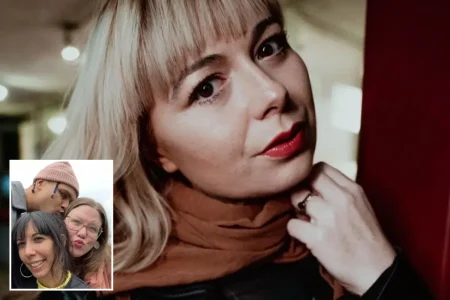
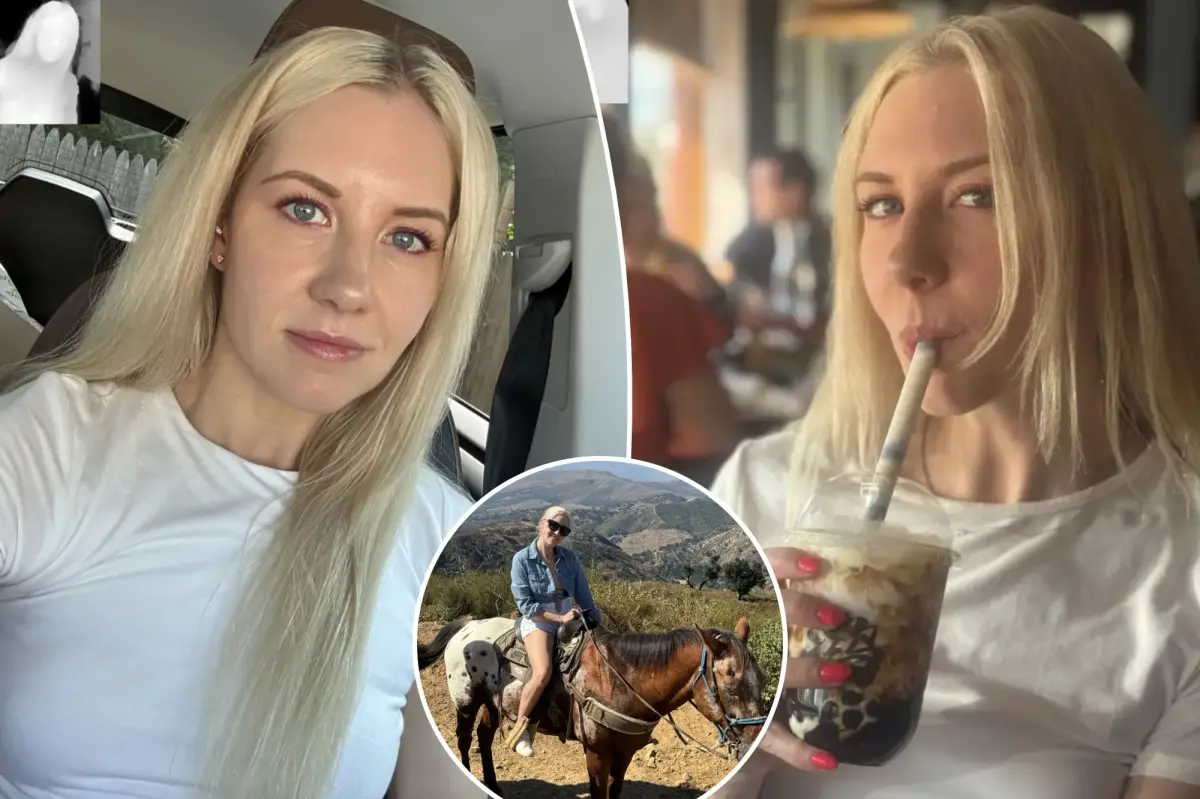
Lauren Harkins, a 35-year-old woman from Maine, is challenging societal expectations by openly discussing her life as someone who has never had sex or even been on a date. Far from feeling ashamed about her virgin status, Harkins has embraced social media as a platform to dismantle myths surrounding virginity and share her authentic experience. “I’ve never once felt ashamed about being a virgin or having limited sexual experience, and I’ve always been open about it – even as a teenager,” she explained in a recent interview with What’s The Jam. Her refreshing perspective offers a counterpoint to a culture that often places excessive value on sexual experience and conformity to relationship timelines. For Harkins, intimacy has always represented something deeply meaningful rather than an experience to rush through simply to align with social expectations. Her journey highlights the importance of personal choice and authentic living in a world that frequently pressures individuals to follow predetermined paths.
The public response to Harkins’ openness has been mixed, with many commenters expressing surprise that she “doesn’t act like a virgin.” This reaction reveals deeply ingrained stereotypes about virginity – namely, the expectation that virgins should present as timid, socially awkward, or self-conscious individuals. Harkins confidently breaks this mold with her outgoing personality and self-assured presence. “The criticism usually falls into predictable categories – claims that I’m lying, ‘expired’, attention-seeking, narcissistic, you name it,” she shares about the negative comments she receives on Instagram and TikTok. Despite the occasional harsh feedback, Harkins maintains her composure, stating that “at this stage, it doesn’t touch me.” Her resilience in the face of judgment demonstrates remarkable self-assurance and highlights how virginity, a personal matter, has somehow become subject to public scrutiny and misconceptions in our society.
Another common misconception Harkins frequently encounters is the assumption that her choice must be religiously motivated – that she must be “saving herself” for marriage due to spiritual convictions. However, this represents yet another false stereotype she works to dismantle through her candid discussions. “What I value is a committed, aligned, long-term partnership – not a contract or tradition for the sake of it,” she clarifies. Harkins occupies a unique middle ground that defies easy categorization: “I’m not the hyper-traditional archetype people try to project onto me, but I’m also not your everyday modern woman who’s into hook-up culture and playing it casual.” Her perspective challenges the binary thinking that often dominates conversations about sexuality and relationships, where individuals are expected to fall into clear-cut categories of either traditional values or contemporary hook-up culture.
Harkins’ journey toward openness to romance has been distinctly personal and unhurried. Unlike many who might feel pressured to engage in romantic or sexual relationships during their formative years, she acknowledges that she “wasn’t ready” during her teens or twenties. This admission reveals an impressive level of self-awareness and emotional intelligence. “I’m only now approaching that readiness, and there’s nothing embarrassing about that – if anything, it’s deeply intentional,” she explains. Her timeline represents a deliberate choice rather than a failure to meet social expectations, highlighting that emotional and relational development follows unique trajectories for different individuals. This perspective offers a valuable counterpoint to a culture that often treats romantic and sexual milestones as achievements that should be reached by certain ages.
The core of Harkins’ message centers on intentionality and self-respect rather than conformity to external expectations. “I’m waiting for the right connection, not grasping for the first one,” she states with conviction, adding that “You’ll never catch me settling out of fear or desperation.” Her words reflect a profound understanding that meaningful relationships aren’t measured by when they happen but by their quality and compatibility. By publicly owning her choices, Harkins provides an inspiring example for others who may feel out of step with cultural norms surrounding dating, relationships, or sexuality. Her declaration that “I’m in my own lane entirely – and I like it that way” embodies a philosophy of authentic living that transcends the specific context of virginity. It speaks to the broader importance of honoring personal values and timelines in all aspects of life, even when they diverge from mainstream expectations.
Harkins’ story serves as a powerful reminder that human experiences with intimacy and connection are far more diverse than popular culture often portrays. In a society that frequently equates sexual experience with maturity or desirability, her perspective offers an important counterbalance that validates different choices. Through her openness, she helps create space for conversations about virginity that move beyond stereotypes and assumptions, toward greater understanding and respect for individual choices. Whether someone remains a virgin due to religious beliefs, personal values, circumstance, or simply not having met the right person, Harkins demonstrates that such choices deserve neither mockery nor pedestals—just acceptance as valid expressions of individual autonomy. By sharing her story publicly, she contributes to a more nuanced cultural understanding of relationships and sexuality—one that recognizes that there is no single “right” timeline for these deeply personal aspects of human experience. In doing so, she empowers others to follow their own authentic paths with confidence, regardless of outside opinions.