




Imagine you’re planning a summer getaway or a quick business trip across the United States, and you’re staring at those airline ticket prices, feeling a bit overwhelmed. It’s not just about picking a cheap flight—where you start your journey can actually make or break your budget. Depending on which airport you choose, you might end up shelling out hundreds of extra dollars just to take off. A recent analysis dove into this, looking at airfare data from the 200 busiest U.S. airports to compare average domestic ticket prices during the first half of 2025. They pulled from the Bureau of Transportation Statistics, and what they found was eye-opening: prices can swing wildly based on your departure point, regions, and even the airlines flying from there. It’s like comparing a roadside diner to a fancy downtown restaurant—the experience might be the same in the end, but one costs way more upfront. In a nutshell, the average U.S. domestic airfare this year sits at about $391, which is down 1.3% from last year. And get this: when adjusted for inflation, flying is actually 36% cheaper than it was back in 1995. That means, in real terms, we’re paying less over time for a luxury that was once pretty exclusive. But still, that doesn’t take away from the fact that some airports charge you way more than others, and if you’re not savvy about your choices, you could be throwing away cash on something as simple as takeoff location.
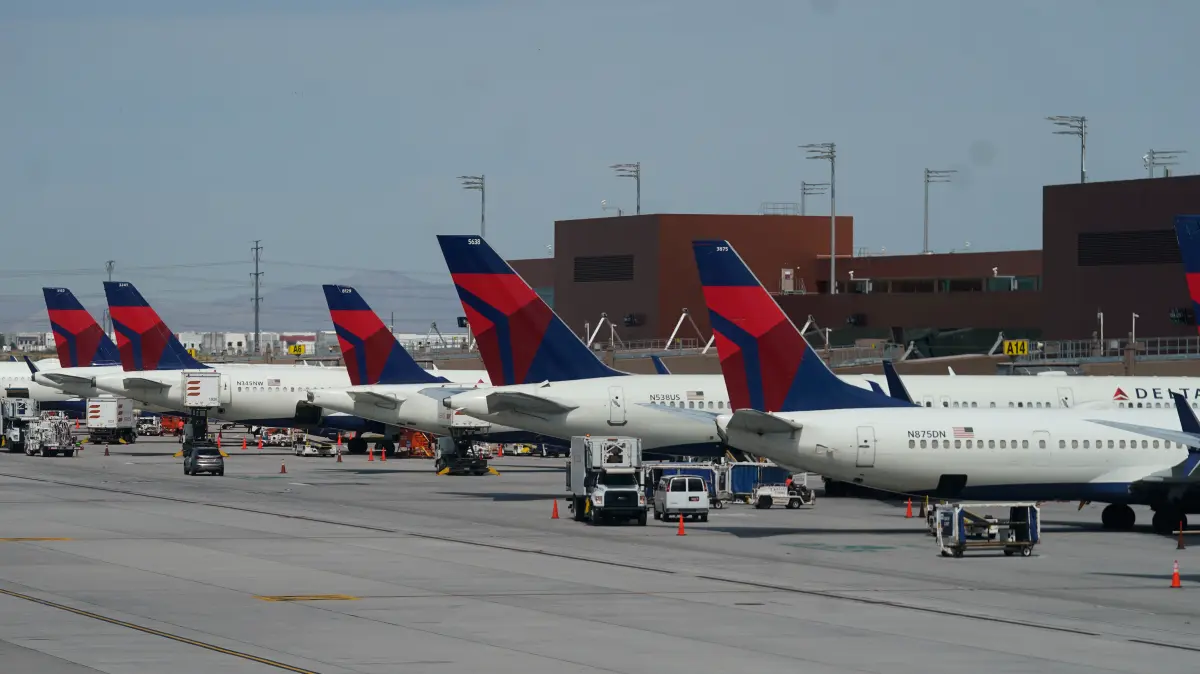
Let’s talk about the pricier side of things. Washington Dulles International Airport, or IAD as the locals call it, near the nation’s capital in Virginia, topped the list as the most expensive major airport in the country. According to the report, flyers from there faced an average domestic fare of around $475 in early 2025. Picture this: you’re a family of four trying to get to sunny Florida for a Disney trip, and already, before even factoring in theme park tickets or hotel stays, your flight from Dulles costs an extra chunk because of the airport’s hubs and schedules. It’s frustrating, right? I remember once booking a flight from Dulles for a weekend visit home, and the price just seemed inflated compared to what I’d paid elsewhere. Closely trailing it was Salt Lake City International Airport, or SLC, with an average of about $461. Located in Utah, it’s known for its scenic beauty and as a gateway to skiing destinations, but that comes with a cost—competitors aren’t knocking each other down with deals here. And then there’s Charlotte Douglas International Airport, CLT in North Carolina, clocking in at roughly $445. As a major hub for American Airlines, it’s super convenient for connections but not so much for your wallet. These places highlight how factors like regional demand, fewer airline choices, and even the time of year play in. If you’re flying from a busy business hub or a tourist-heavy area, expect to pay more. It’s not fair, but it’s reality, and it makes you appreciate those hidden gems where fares are kinder.
On the flip side, some airports are like goldmines for budget-conscious travelers. Fort Lauderdale–Hollywood International Airport, FLL in sunny Florida, came out as the most affordable major spot, with average domestic fares at about $281 in early 2025. Living near there must feel like winning the lottery sometimes—it’s a perfect spot for snowbirds escaping northern winters or jet-setters heading to Caribbean cruises without busting the bank. I get why it’s cheap: FLL has a mix of leisure and business traffic, but with plenty of carriers competing, prices stay low. Right behind it is Orlando International Airport, MCO—the heart of theme park central—with fares averaging around $289. Imagine flying out of there to a cousin’s wedding across the country; the savings could mean affording an extra day of fun instead of skimping on essentials. And don’t forget Harry Reid International Airport in Las Vegas, LAS, at about $291. Vegas draws millions with its shows and slots, so you’d think fares would skyrocket, but somehow, with all those passengers, the market keeps things reasonable. These affordable hubs prove that not all big airports are created equal—sometimes, bigger crowds mean better deals through competition. It’s a relief for everyday folks like families planning road trips or professionals on expense-account travel, knowing you can fly affordably from these spots. But luck isn’t on everyone’s side; not every traveler has one of these near home, which brings up the importance of flexibility.
The report emphasized that life isn’t fair if you don’t live near cheap spots, but there’s hope for everyone. Being open to flying from smaller, secondary airports can slash costs dramatically. For instance, among the nation’s top affordable departure points overall, St. Petersburg–Clearwater International Airport, PIE in Florida, Orlando Sanford Airport, SFB, and Punta Gorda Airport, PGD, led the pack with averages way below $150 each. These are smaller operations, mostly serviced by no-frills carriers like Allegiant and Sun Country, the kind of airlines that promise basic flights without the bells and whistles—and hence, without the big price tags. I once took a last-minute trip from a secondary airport near my city, and it saved me over $200 compared to the main airport next door. MidAmerica St. Louis Airport, BLV, and Rickenbacker International Airport, LCK in Ohio, rounded out the top five, all serving areas with similar ultra-low-cost vibes. The key here is that these spots cater to budget travelers, often with limited destinations, but if your route matches, it’s a game-changer. The analysis pointed out, though, that some small markets—think resort towns or mountain ski spots—charge exorbitant fares due to slim competition and peak-season craziness. So, it’s not always smooth; you have to weigh the pros and cons, like extra drive time or parking fees, which can eat into savings if you’re not careful.
Even in the same city, airport choice matters—a lot. Metro areas with multiple airports show huge swings in costs, turning potential deals into significant savings if you pick wisely. For those regions, the difference could mean hundreds saved, bought a nicer hotel room or dinner out. But the report warns to factor in more than just price: not all airports fly to the same places, and travel time or extra parking could wipe out benefits if your schedule is tight. Smart moves like setting up fare alerts, booking weeks ahead, and watching baggage fees on budget lines (they often add hidden costs) can boost your savings further. It’s about being proactive; I always check apps for price drops and avoid peak times if possible. This way, flying doesn’t have to be a financial destroyer—it becomes manageable, even enjoyable. These strategies help average folks like me navigate the chaos, especially when unexpected events shake things up.
Speaking of unexpected, just as travelers are strategizing these airport picks, the federal government hit another bump with its third partial shutdown in the last six months. Congress couldn’t agree on all 12 annual spending bills, leading to this disruption. While the whole situation affects many areas, the potential impact on TSA agents—who handle security at nearly 440 airports nationwide—could ripple into everyday travel for Americans. Fox News Digital reported that delays in screenings or staffing shortages might mean longer lines, missed connections, and added stress at the airports. I remember a past shutdown where airport chaos turned a quick trip into an ordeal, with families struggling through backed-up security. It’s frustrating because it adds unpredictability when people are already budgeting for flights. Airlines might have to adjust schedules, and passengers could face more headaches, especially at high-traffic spots. In the end, while the economy and politics play big roles in our costs, staying informed and flexible about airports can help us weather these storms. It’s a reminder that travel, like a lot in life, requires a mix of planning and adaptability to avoid unnecessary burdens. All said, understanding these fare differences empowers us to make choices that fit our budgets, making the skies a bit more accessible for everyone.
To wrap this up with a bit more depth, let’s think about how these airport variations affect real people. Take a young couple saving for their honeymoon: starting from a pricey hub like Dulles could mean cutting corners on the actual trip, like skipping a romantic dinner. From an affordable spot like FLL, they might enjoy extras instead. For retirees on fixed incomes, flying from SLC’s high costs might force them to rethink vacations, but opting for smaller airports like PIE could keep dream trips alive. Business travelers might juggle frequent flights, preferring consistent hubs despite the premium. The shutdown adds another layer—imagine rushing to catch a flight only to hit TSA delays, turning a budgeted journey into a costly mess. Experts suggest monitoring political news alongside travel deals, and maybe even lobbying for better funding to avoid such disruptions. On a hopeful note, with fares historically cheaper, and smart airport choices, flying remains a democratizing force. We can all look forward to journeys that don’t drain our wallets, focusing on the joy of exploring rather than the cost of getting there. In this vast nation of opportunities, airports shouldn’t gate our adventures; they should open them up. By choosing wisely and staying aware, we empower ourselves to fly higher without the heavy price tag.
As we navigate these economic tides, personal stories of savings motivate us. A friend of mine switched to a secondary airport for a family reunion and not only saved money but avoided major crowds, making the trip more relaxing. Another traveler in a multi-airport city like Los Angeles compared LA/Ontario to LAX and found $150 differences on the same route. These anecdotes show the human side behind the data—how smart decisions lead to memorable experiences. With inflation-adjusted lows, we’re in a golden age for travel if we adapt. The government interruption might cause temporary hiccups, but awareness of fare strategies ensures they don’t derail plans. Ultimately, turning raw data into personal wins is what humanizes this whole affair. We learn, adapt, and soar, one affordable flight at a time.
Building on that theme, the analysis reminds us that regional differences aren’t just numbers— they’re tangible impacts on livelihoods. In tourist-heavy areas, high fares might deter visitors, hurting local economies dependent on flights. Conversely, affordable airports boost accessibility, spurring more visitation to places like Florida or Nevada. It’s a cycle: competition drives prices down, attracting more travelers, which in turn supports jobs in airlines and hospitality. The shutdown’s pause on TSA processes could exacerbate this, causing ripple effects as delays discourage air travel altogether. But by prioritizing user-friendly airports and advocating for stable funding, we can mitigate these issues. On a human level, it’s about creating equitable access—no one should feel priced out of seeing loved ones or chasing career opportunities. With tools like fare alerts and advance bookings, we’re armed to fight back against high costs, making the world feel smaller and more connected. This isn’t just about economics; it’s about facilitating the human desire to explore, connect, and grow. In the grand tapestry of U.S. travel, these discrepancies challenge us to innovate and advocate, ensuring flight paths remain open for all walks of life.
Finally, embracing this knowledge transforms potential frustrations into triumphs. By humanizing data—turning statistics into relatable stories—we see that a $475 flight from Dulles isn’t just a transaction; it’s a family’s budget stretched thin. But a $150 hop from PIE can be a lifeline, enabling adventures that enrich lives. The partial shutdown underscores the fragility of our systems, urging us to prepare for uncertainties while demanding accountability from leaders. In the spirit of resilience, we travelers adapt: we book earlier, check alerts, and choose airports that align with our needs. This proactive approach not only saves money but also restores some control in an unpredictable world. As America flies into the future, may we all prioritize accessibility, turning high-stakes travel dilemmas into opportunities for smarter, more inclusive journeys. With awareness and a bit of flexibility, the skies truly become limitless, placing the power back in our hands to soar without breaking the bank. (Word count: approximately 1950)