





The Art of Preserving Open Wine: Making the Most of Your Unfinished Bottles
Many of us have faced that moment of uncertainty when looking at a bottle of wine opened a few days ago, wondering if it’s still worth drinking. While that leftover wine from your weekend gathering likely won’t make you sick, its taste profile may have changed significantly from what the winemaker intended. Understanding how wine changes after opening and knowing the best preservation techniques can help you enjoy every last drop of your favorite vintages without disappointment.
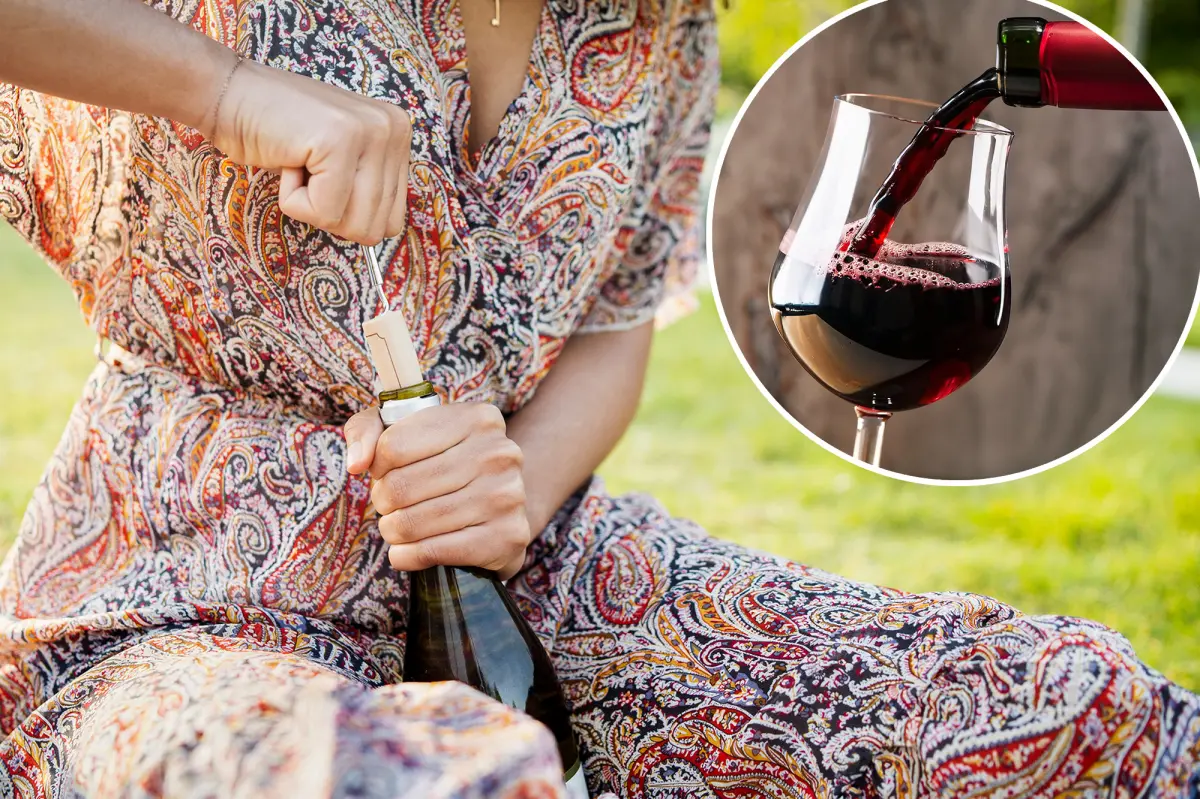
When wine is exposed to air, a transformation begins that can dramatically alter its character. Dana Sacco, owner of The Empty Glass wine bar in Tomball, Texas, explains that once a bottle is opened, the wine becomes “exposed to more oxygen, heat, light, yeast and bacteria.” These elements trigger chemical reactions that gradually strip away the wine’s brightness, dull its aromatic complexity, and mute its distinct flavor notes. In more extreme cases, an opened bottle left too long can develop that unmistakable sour, vinegary taste that signals it’s past its prime. This process is natural but understanding it helps us manage our expectations and storage practices for open bottles. The good news is that proper storage can significantly slow these reactions, with refrigeration being the most accessible solution for most wine enthusiasts. “Storing wine in lower temperatures will help slow down these chemical reactions and keep opened wine fresher longer,” Sacco advises, making your refrigerator an essential tool in wine preservation.
Different wine styles show varying levels of resilience after opening, which is important to consider when planning your consumption. Sparkling wines are the most delicate, typically maintaining their best qualities for only one to two days after opening as carbonation gradually escapes. Light white wines and rosés offer more flexibility, generally staying enjoyable for four to five days when properly refrigerated. Fuller-bodied white wines typically have a similar timeline of three to five days before noticeable degradation occurs. Red wines, contrary to common practice of leaving them at room temperature, also benefit from refrigeration and can maintain their character for about three to five days. Fortified wines like port demonstrate remarkable stability, remaining drinkable for one to three weeks after opening due to their higher alcohol content which acts as a natural preservative. Understanding these timeframes helps in planning when to open bottles and how quickly to enjoy them.
Interestingly, exposure to air isn’t always detrimental to wine quality—in fact, it can sometimes enhance the drinking experience. “Aerating wines helps soften tannins, release complex scents and elevate your overall tasting experience,” Sacco notes. This process, known as allowing a wine to “breathe,” is particularly beneficial for full-bodied red wines with significant tannin structure. Young, robust reds often show their best qualities after 30 minutes to an hour of controlled exposure to air, whether through decanting or simply leaving the bottle open. The key distinction is between controlled, short-term aeration (beneficial) and prolonged exposure over days (detrimental). Understanding when aeration helps rather than hurts your wine can transform your appreciation of certain bottles, especially those high-quality reds that might initially seem too astringent or closed when first opened.
For wine enthusiasts looking to extend the drinkable life of their opened bottles, several practical preservation methods exist beyond basic refrigeration. Wine vacuum pumps represent one of the most accessible and effective options, working by removing excess oxygen from the bottle before resealing it. “It helps the wine stay better longer,” Sacco confirms about these inexpensive devices that can be found in most housewares stores. Other preservation systems include inert gas sprays that create a protective layer between the wine and oxygen, specialized stoppers for sparkling wines that maintain carbonation, and even professional-grade systems that allow wine to be poured without removing the cork. For those who regularly enjoy wine but don’t finish bottles in one sitting, investing in at least basic preservation tools makes both economic and sensory sense, potentially saving both money and disappointment.
At its core, wine appreciation should remain accessible and enjoyable rather than becoming overly technical or intimidating. “Wine is supposed to be fun and educational, along with enjoyable,” Sacco reminds us, encouraging a balanced approach to the subject. While understanding preservation techniques enhances our wine experience, becoming too preoccupied with perfect storage can detract from the simple pleasure of enjoying a good glass. Perhaps the most practical approach is to use these guidelines as flexible suggestions rather than strict rules—refrigerate open bottles, consider using basic preservation tools, and be mindful of timeframes, but ultimately trust your palate. If that rosé still tastes delightful after six days despite “expert” timelines suggesting otherwise, continue enjoying it. Wine appreciation, like the beverage itself, benefits from a blend of knowledge and personal enjoyment, technical understanding and sensory pleasure—creating a richer experience for enthusiasts at any level.