


The Pasta Paradox: How Leftover Noodles May Benefit Your Health
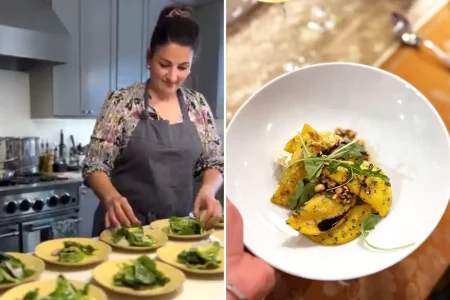
A curious food trend has been gaining traction on social media lately, suggesting something that pasta lovers everywhere might find welcome news: yesterday’s leftover pasta could actually be healthier than a freshly cooked bowl. This counterintuitive claim isn’t just another internet fad—it’s rooted in legitimate science about how our bodies process starches. Celebrity chef Giada De Laurentiis recently amplified this idea on Instagram, sharing with her followers that eating day-old pasta may be easier on your digestive system and blood sugar levels. “Leftover pasta for the win,” she declared, echoing what nutrition experts have been studying for years. The concept mirrors similar claims about freezing and toasting bread to reduce blood sugar spikes, suggesting that the simple act of heating, cooling, and reheating starchy foods can fundamentally change how our bodies metabolize them.
The science behind this phenomenon centers on something called resistant starch, which forms through a process known as retrogradation. As Ashley Kitchens, a North Carolina-based dietitian, explains, “When you cook pasta, let it cool and then reheat it in the microwave, some of the digestible starches turn into resistant starch.” The name describes its defining characteristic—it literally resists digestion in the small intestine. When pasta is first cooked, its starches gelatinize and become easily digestible. However, once that pasta cools in your refrigerator for 24 hours or more, some of those starches reorganize themselves into structures that your digestive enzymes cannot fully break down. This reorganization means that when you reheat and eat that pasta the next day, fewer digestible calories enter your bloodstream as glucose, potentially resulting in a gentler blood sugar response after your meal. Nutrition experts at Ohio State University’s Wexner Medical Center note that resistant starch contains roughly half the calories per gram compared to regular starch.
This transformation offers several potential health benefits beyond just blunting blood sugar spikes. When resistant starch passes undigested through the small intestine and reaches the colon, it becomes food for beneficial gut bacteria, functioning similarly to dietary fiber. This fermentation process in the gut produces beneficial short-chain fatty acids that may improve colon health. Research from the University of Surrey in England has demonstrated lower blood sugar and insulin responses in people who ate pasta that had been cooked, cooled, and reheated compared to those who ate freshly cooked pasta—with the effect being most pronounced when the pasta was initially prepared al dente (slightly firm). These findings suggest that something as simple as timing when you eat your pasta could have measurable metabolic effects, though the magnitude varies considerably from person to person.
However, nutrition experts caution against viewing this as a miracle solution for blood sugar management. Lauri Wright, an associate professor at the University of South Florida College of Public Health, emphasizes that while the effect is real, “It’s not a guaranteed ‘hack’ and the effect varies. It can modestly blunt or shift the glucose rise, but it does not make pasta ‘free’ from a blood sugar standpoint.” This perspective is important, particularly for people managing diabetes who might be looking for ways to enjoy carbohydrate-rich foods with less glycemic impact. For such individuals, Wright suggests viewing resistant starch as “a tool, not a cure-all” in their overall nutrition strategy. Additionally, people with diabetes should be aware that resistant starch may not only soften blood sugar spikes but potentially change how quickly glucose enters the bloodstream, which could affect insulin timing and dosing decisions.
The practical application of this knowledge also comes with important caveats. As Kitchens points out, “Only a portion of the starch becomes resistant. If you’re eating large portions of pasta, the trick may not be that beneficial.” This underscores that portion control remains essential, regardless of whether you’re enjoying fresh or leftover pasta. Nutritional experts consistently emphasize that while the resistant starch trick may offer a modest metabolic advantage, it doesn’t negate the fundamental principles of balanced nutrition. A pasta dish served with protein, healthy fats, and plenty of vegetables will always be a more blood-sugar friendly choice than a large bowl of plain pasta, regardless of when it was cooked. The overall composition of your meal still matters tremendously in determining its impact on your metabolism and blood sugar.
For those interested in experimenting with this approach, nutritionists recommend a specific process: cook your pasta al dente (slightly firm, not soft), refrigerate it in a shallow container for 12 to 24 hours, and then thoroughly reheat it before eating. Interestingly, this resistant starch effect isn’t limited to pasta—it applies to other starchy foods as well, with some research suggesting that rice and potatoes may show an even stronger resistant starch effect when cooled and reheated. Even bread can undergo similar changes, though the extent varies depending on the type and processing methods. This broader application means that understanding how cooking, cooling, and reheating affects the digestibility of starches could influence how we approach various carbohydrate-rich foods in our diet. Ultimately, while yesterday’s pasta won’t magically transform into a low-carb food, this research offers a fascinating glimpse into how simple food preparation methods can subtly alter the way our bodies process what we eat—potentially adding another tool to our nutritional toolkit for managing blood sugar and gut health.