



The Digital Health Overload: When Too Many Apps Leave You Feeling Drained
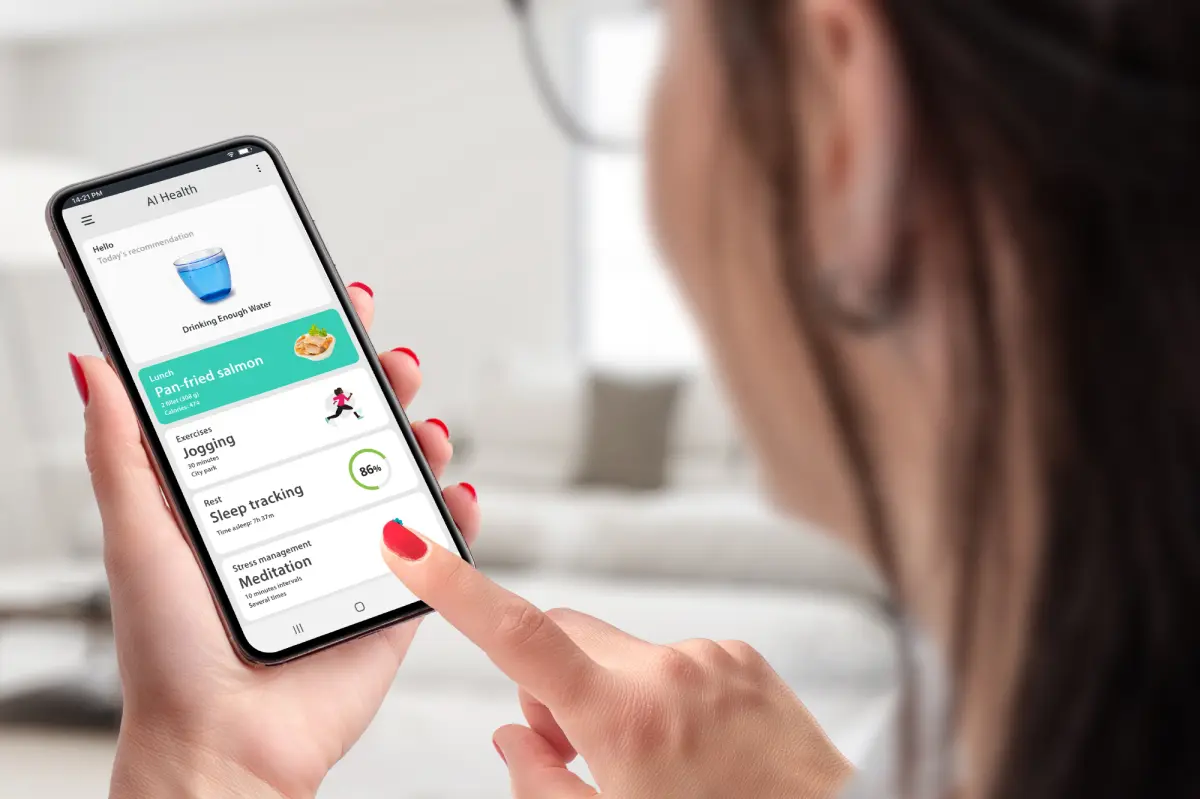
Imagine waking up every morning, rolling over to grab your phone, and immediately diving into a world of health apps that promise to track your steps, monitor your sleep, analyze your nutrition, and even remind you to breathe deeply for stress relief. That’s the reality for millions of Americans, according to a recent survey by Talker Research for MD Live. The study polled 2,000 insured adults between 18 and 65, revealing that nearly half feel overwhelmed by the sheer volume of digital health tools they’re juggling. On average, these folks are using about six different apps regularly—think fitness trackers, diet planners, and sleep monitors—while one in five has upwards of 10 at their fingertips. For me, it’s like having a digital entourage following me around all day, buzzing with notifications and data points. I started with a simple pedometer app years ago, curious about how many steps I took in a day, but soon it multiplied: there was the one for logging meals, another for tracking my heart rate during runs, and don’t get me started on the virtual doctor visits app I added when I sprained my ankle remotely. It’s exciting at first, like unlocking secrets about your body, but the constant stream of choices can make your head spin. And it’s not just a few outliers; 57% of people are glued to daily activity trackers, 39% to nutrition apps, and 37% to sleep tools, all while others use them for serious stuff like managing weight (34%), connecting with healthcare pros (30%), or even dealing with chronic conditions like diabetes or high blood pressure (23%). What’s wild is that 14% admit they’re lured in by trendy online health fads—like intermittent fasting challenges or viral wellness routines—who could possibly keep up with that on top of a full-time job and family? It’s like digital health became this massive buffet, and you’re stuffing your plate too full.
As you dive deeper into this habit, the time investment becomes staggering. Respondents in the survey confessed they spend over an hour every week just manually inputting data—logging workouts, jotting down calorie counts, or syncing devices—while 58% check their apps at least once a day, and 11% peek hourly, like I’m refreshing social media during a slow work meeting. Picture this: You’re at a family dinner, and instead of enjoying the conversation, you’re obsessing over your sleep score from the night before or reminding yourself to log that afternoon snack. Over time, this obsession means eight in 10 Americans—79%—admit their phone knows their health status better than they do themselves. I remember a night when my fitness app alerted me to irregular heartbeats during a stressful Zoom call—I felt like I was cheating on my own body by outsourcing its monitoring to a screen. It’s empowering at first, sure, but it breeds this weird dependence. You start wondering if you’re healthy without the app’s approval, like it’s the boss dictating your lifestyle. And for those chasing trends online, that 14% statistic hits home; I once downloaded an app promising to optimize my gut health based on a quick Instagram video, only to realize it was just another data vacuum sucking up my time without much payoff. The sheer volume is exhausting—most days, I’m clicking through interfaces, deciphering graphs, and worrying if my tracked patterns mean I’m on the verge of burnout or breakthrough. It’s not that people hate tech; it’s the endless scrolling through options that leaves them gasping for breath.
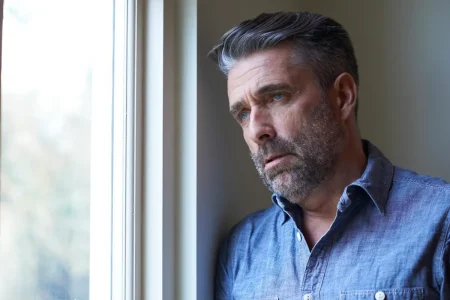
But with all this engagement comes the inevitable downside: burnout is real, and it’s hitting hard. The survey found 53% feeling there are too many apps to manage effectively, leading to 45% experiencing “burnt out” sensations weekly just from data entry alone. More than one in 10—15%—feel utterly exhausted trying to keep up with relentless alerts, like pop-ups pinging you every hour to log something new. I relate; there was a month when my three different nutrition apps were conflicting with each other—one said my meal was under calories, another over—and the notifications were so intrusive I had night after waking up to the buzz of my phone demanding nighttime weigh-ins. It’s this constant pressure to perform for your apps, turning self-care into a chore. You start dreading the evening check-in, where you’re supposed to review progress but end up anxious if you fell short of arbitrary goals. Even worse, this overload spills into daily life: 25% report forgetting health appointments or goals because they’re submerged in app management, like that time I missed a follow-up with my doctor because I was too busy syncing my data across platforms. Dr. Maggie Williams, medical director for Primary Care at MD Live, nails it: “People aren’t overwhelmed by technology; they’re overwhelmed by the number of choices.” Most of us want to care about our bodies, but without guidance, it’s like wandering a maze without a map. I’ve felt that burnout creep in, leaving me unmotivated to even open the apps, wondering if the promise of better health is worth the mental toll.
Unsurprisingly, this leads to app abandonment at an alarming rate. A third of respondents—32%—have downloaded health tools they never used, often citing subscriptions costing money (27%) or annoying ads pushing products (23%) as deal-breakers. Nearly one in five (17%) deleted apps after encountering conflicting or confusing info, which drove me nuts when one sleep tracker claimed I was well-rested based on shallow data while another flagged sleep apnea risks. Over the past two years, 24% have deleted at least four apps, creating a digital graveyard on their phones. On top of that, 40% don’t even know how to use these tools effectively, and 41% feel like they’re juggling too many balls at once. I tossed out an app once because it required a $9.99 monthly fee for “premium insights,” only to find free alternatives that confused me more with jargon I didn’t understand. It’s a vicious cycle: you download in a moment of enthusiasm, then drop them when reality sets in. This disinterest grows when apps become more hassle than help, leaving people questioning if the data is even accurate or worth the effort. For many, it’s not about hating tech but realizing the fragmentation hinders real progress—why bother if you’re not sure which one is telling the truth? I’ve learned to be pickier now, but that initial thrill leads to this emotional whiplash, making you swear off apps until the next trendy feature comes along.
Despite the frustrations, the loyalty to digital health persists, with many seeing serious benefits that outweigh the headaches. Forty-one percent plan to use more tools in 2026, prioritizing fitness tracking (54%), weight management (50%), and nutrition (49%). The payoff? Nine in 10 respondents—91%—say these apps have boosted their understanding of their body’s workings, sparking motivation (38%), a sense of control (36%), and confidence in health decisions (33%). Personally, I’ve discovered patterns in my sleep cycles that helped me adjust my routines, reducing grogginess and improving focus during the day. Others praise the motivation boost from seeing graphs trend upward or the mindfulness from tracking stress levels. It’s like having a personal coach in your pocket, reminding you of small wins. Thirty-seven percent stay motivated long-term, and 28% become more mindful of their habits, whether that’s spotting how late-night snacks affect energy or recognizing when stress spikes during work deadlines. The survey highlights how these tools foster self-awareness, like identifying triggers for bad moods or nutritional needs, making health feel less abstract and more actionable. Even with the effort—logging, syncing, checking—the dividends in self-knowledge are compelling. I’ve felt more in control, less intimidated by doctor’s visits because I can share data-backed insights. It’s rewarding, turning passive worry into proactive care, though it begs for simplicity to sustain it.
Finally, as consumers navigate this crowded landscape, they’re craving better support and streamlined experiences to make it all easier. Nearly two-thirds (62%) want guidance from healthcare providers on choosing the right apps, and 54% desire more communication from health plans about available tools. To enhance efficiency, 28% dream of all apps integrating into one hub, and 27% want seamless data syncing across platforms, eliminating the hassle of manual transfers. When asked about the “perfect” health app, a sleep tracker topped the list (37%), closely followed by activity trackers, heart rate monitors, step counters, blood pressure tools, and stress trackers (all around 30%). Dr. Williams emphasizes that doctors can help prioritize needs, and some plans offer tailored app recommendations, simplifying decisions. For me, an all-in-one app sounds utopian—consolidating my disparate trackers into one interface with zero ads and clear, actionable advice. Imagine waking up to a holistic view of your health: sleep quality nudges you toward better rest, synced with nutrition to suggest meals, all without conflicting signals. It’s about evolution, not elimination, making digital health a supportive ally rather than an overwhelming adversary. With the right tweaks, we could transform burnout into balance, keeping the motivation alive while cutting the clutter. After all, in a world obsessed with optimization, true health wins when tech serves us, not the other way around.