






Embracing the Breakfast Divide: A Southern Chef Navigates Northern Waters
Picture waking up on a crisp morning in Atlanta, Georgia, the air thick with the scent of frying bacon and the promise of a hearty spread. Your plate’s piled high: fluffy eggs, crispy grits swimming in butter, a biscuit that’s practically melting under gravy, and maybe a slice of cornbread just for good measure. It’s comfort in every bite, a ritual woven into the Southern soul. But flip the map to New England—say, Boston or Portland, Maine—and breakfast morphs into something entirely different. Boneless fish cakes sizzling in oil, corned beef hash with a kick, baked beans slow-cooked overnight, and English muffins toasted to perfection. Grits? That’s an alien concept up here, dismissed as too mushy or plain boring. And Southern icons like corned beef hash might turn stomachs as unfamiliar or unappealing. This isn’t just about food; it’s about identity, culture clashing across regional lines. Suzanne Vizethann, a chef whose heart beats to the rhythm of Southern flavors, knows this divide all too well. Born into the culinary tapestry of the South, she’s defied expectations by transplanting her love for buttermilk biscuits and sweet tea northward, proving that a good breakfast can bridge divides rather than widen them.
Suzanne’s journey started in the heart of Southern hospitality, where meals aren’t just sustenance—they’re family gatherings, Sunday traditions, and late-night soul food runs. Growing up, she watched her family whip up dishes that felt like hugs: collard greens simmering for hours, peaches in cobblers, and always, those trusty grits. But Suzanne wasn’t content with the local scene; she craved the spotlight. In 2011, she stepped onto the bright stage of the Food Network’s “Chopped,” facing off against polished New York and Boston chefs. With her Southern charm and unyielding creativity, she won the episode, whipping up something that wowed the judges and put her on the map. “I remember being in that kitchen, hearts pounding, thinking this is it,” she might say with a laugh today. Afterward, she dreamed of expanding—maybe a quaint bed and breakfast where guests could savor her famous Southern breakfasts. But fate, as it often does, had other plans. An 81-year-old diner in Camden, Maine, on the brink of closure, caught her eye. “It felt like the universe was nudging me,” she recalls. She packed her bags, left Atlanta behind, and dove headfirst into the Pine Tree State, where the pace is leisurely, the coastline serene, and breakfast… well, it’s an adventure.
Running Buttermilk Kitchen in Camden was a revelation, not just a business move. Imagine Suzanne, apron-clad and aproned, transitioning from Southern feasts to this coastal New England outpost. She didn’t reinvent her menu wholesale; instead, she infused it with Southern soul, serving up shrimp and grits alongside blueberry pancakes. To her surprise, her signature dish—the humble grits—didn’t flounder. While some Mainers wrinkled their noses at first, the creamy, savory comfort food grew on them. “They started ordering it like locals,” she marvels. Starting as the transient hangout for tourists vacationing on the Maine coast, the restaurant blossomed into a beloved spot. Locals and newcomers alike raved about her take on Southern classics adapted for Northern palates. Suzanne shares stories of early days: a group of fishermen coming in after a long night, skeptical yet curious about biscuits with honey. One evening, a young couple from Bar Harbor tried the grits and declared it “our new go-to.” These aren’t just anecdotes; they’re testaments to how food fosters connections. Suzanne’s warmth shines through—chatting with patrons, tweaking recipes based on feedback, making everyone feel like family, even far from home.
But adaptation wasn’t without its hurdles. The taste buds in Maine aren’t wired for the same Southern extravagance. Down South, sweetness reigns supreme: dishes drenched in jams, syrups, and pecan pies that could make your teeth ache. Up North, Vizethann observed, folks prefer restraint. “They shy away from cloying sweets,” she notes, pulling back on the sugar in her pancake batters. Instead of flooding plates with maple syrup, she offers it on the side, letting customers decide. Seasoning tells a similar tale. Suzanne loves bold, spicy kicks—think cayenne in gravy or paprika on everything—but Maine dining leans milder, more pragmatic. Caffeine’s another contrast: Southerners brew coffee dark and strong, a black jolt to kickstart the day, while Northerners might sip lighter roasts or opt for tea. In Camden, Suzanne remembers one morning adjusting her spice levels after a diner politely suggested toning down the heat. “I get it—life up here is about balance, not infernos,” she chuckles. These tweaks weren’t defeats; they were dialogues. She experimented with milder versions of her favorites, like a jalapeño-free shrimp boil, and watched appreciation grow. Stories abound: a local farmer bringing in fresh herbs that inspired lighter seasonings, or tourists from Boston marveling at the nuanced, non-aggressive flavors.
Yet, amid the differences, Suzanne discovered sweet overlaps that made her transatlantic culinary life richer. Maine’s abundant blueberries—juicy, tart jewels of the North—and its syrup production resonate deeply with Southern traditions. “We Southerners adore blueberries too,” she says, weaving them into her Atlanta menu with relish. Think blueberry cobblers alongside buttermilk biscuits or pancakes topped with Maine-inspired compote. The coast’s seafood focus? Spot-on for someone from Georgia, where shrimp boils and low-country shrimp are religion. “It’s relatable,” Suzanne insists, crafting dishes like fish tacos with Southern flair or crab cakes that nod to both regions. Comfort food transcends borders: hearty portions, familiar ingredients like potatoes (a New England staple she brasies Southern-style), and dishes that evoke home no matter the zip code. Sure, some New England staples still stump her—like corned beef hash, which she admits to disliking despite offering a killer version on her menu. “It’s salty, but not my cup of tea,” she confesses with a grin. Rye bread, another favorite up North, doesn’t tempt her either; she gravitates to soft white bread or tangy sourdough. But then there’s Moxie, Maine’s bizarrely addictive soda—root beer meets bitter tonic, polarizing yet oddly charming. Suzanne grew fond of it, toasting with a sip during busy brunch rushes, laughing as Mainers debated its merits.
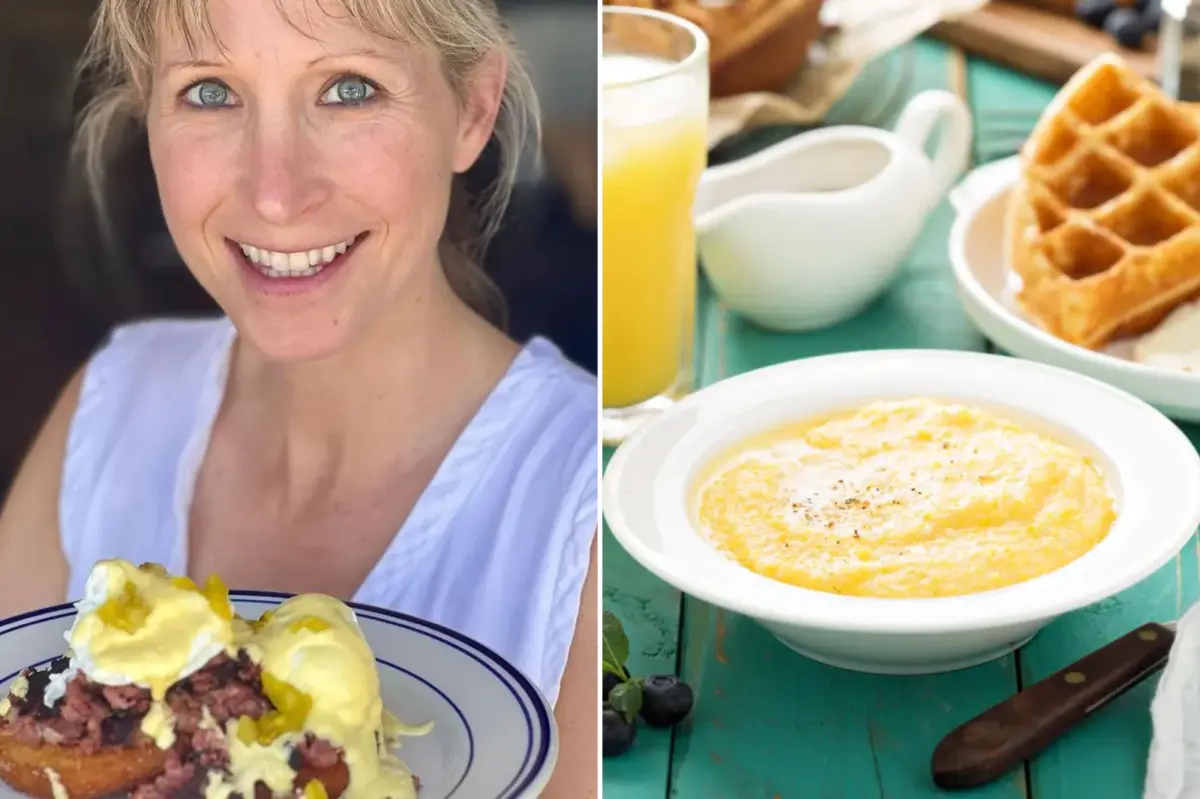
All this boils down to unification, Suzanne believes, as her restaurants in Atlanta and Camden prove. Both cities pulse with distinct personalities—Atlanta’s lively, diverse buzz versus Camden’s quaint, osprey-filled serenity—but one constant remains: a shared hunger for quality breakfast. Suzanne cherishes how food dismantles barriers, inviting strangers to bond over bites. In Georgia, patrons might dunk into grits topped with butter, bacon, eggs, biscuits, and gravy. In Maine, she’d whip up haddock fish cakes, deep-fried golden, paired with marinated tomatoes, eggs, English muffins, and a dollop of tartar sauce. “It’s not about erasing differences,” she muses, “but celebrating them through flavor.” Her story inspires: as a champion of “Chopped” and a diner savior, she’s shown that crossing lines—geographic, culinary—can yield magic. Breakfast isn’t just fuel; it’s a conversation starter, a way to say, “Hey, let’s sit down together.” In Suzanne’s world, that connection tastes better than grits or fish cakes alone. From Southern roots to Northern shores, her journey reminds us: good food knows no borders, healing divides one perfect breakfast at a time.