



American Airlines’ Basic Economy Loyalty Program Cut Sparks Passenger Outrage
American Airlines has sparked widespread frustration among its customer base by eliminating the loyalty rewards previously offered to passengers purchasing basic economy tickets. As of December 17, travelers who book the airline’s lowest-cost fare option will no longer earn AAdvantage miles or loyalty points that previously helped frequent fliers achieve status and benefits. This significant policy change marks a strategic shift that aligns American with competitors like Delta and United, who have similarly restricted perks on their most affordable tickets, but it has left many loyal customers feeling betrayed and reconsidering their airline allegiance.
The decision represents a stark departure from American’s previous approach, where even basic economy passengers earned two miles and loyalty points for each dollar spent on airfare. This allowed budget-conscious travelers to gradually accumulate status and benefits while flying at lower price points. Industry observer JonNYC first shared news of the change on social media, unleashing a wave of customer backlash. Many loyal American fliers expressed deep disappointment, with several threatening to take their business to competitors. One particularly disillusioned customer wrote, “I’ve been loyal to you for work travel but this year has been terrible and this is just the nail in the coffin. I’m done with you and taking my work travel somewhere else, like United.” This sentiment was echoed by numerous others who had maintained their elite status through basic economy bookings and now feel abandoned by the airline they had supported for years.
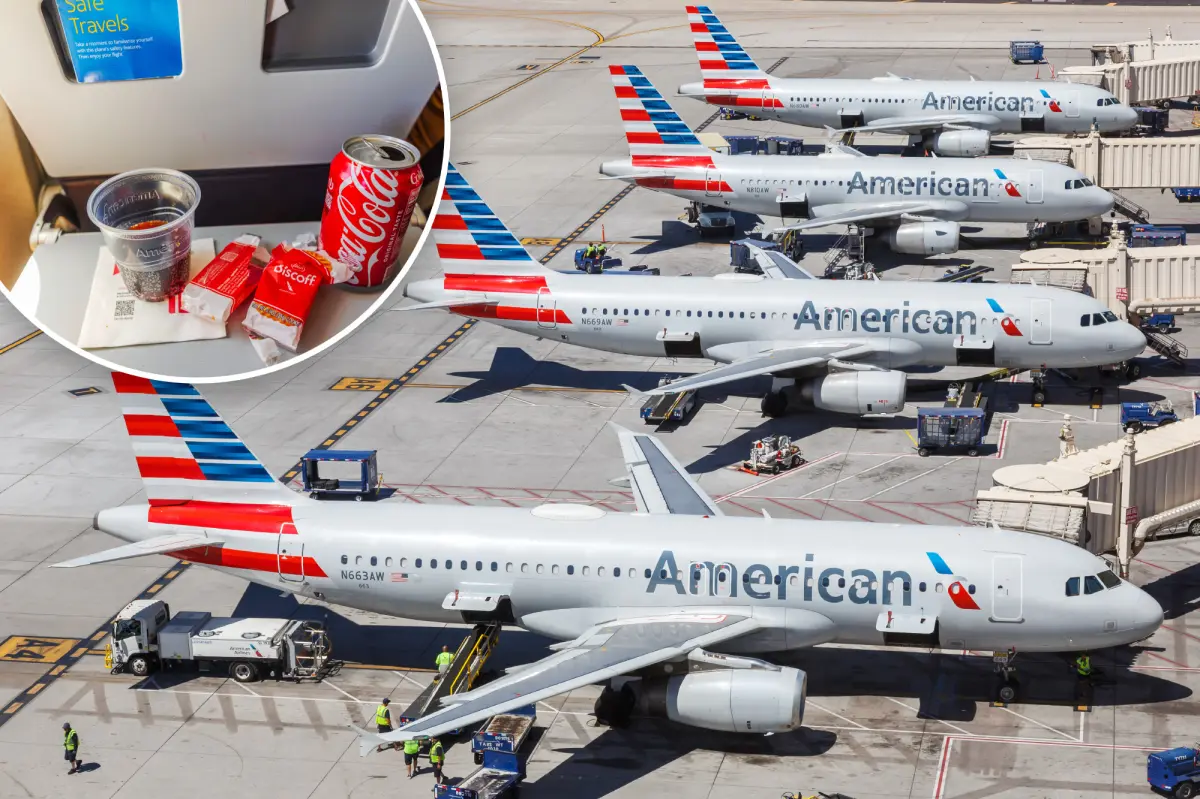
The airline has defended its decision with corporate language that has done little to appease upset customers. In an official statement, American Airlines explained, “We routinely evaluate our fare products to remain competitive in the marketplace,” while emphasizing that basic economy customers will still receive certain amenities like one free personal item, a carry-on bag, complimentary snacks, soft drinks, and in-flight entertainment. The airline also pointed out that Main Cabin fares continue to earn five AAdvantage miles per dollar spent, essentially encouraging customers to upgrade their ticket class if they wish to maintain their loyalty benefits. However, in what appears to be a small concession, elite loyalty members who purchase basic economy tickets will reportedly still be eligible for first-class upgrades on domestic flights.
This policy change follows an industry-wide trend of airlines progressively devaluing their most affordable fare options, creating greater separation between basic and standard economy classes. When American first introduced basic economy in 2017, it was positioned as the lowest-priced option with certain restrictions, but it still maintained core loyalty benefits that kept budget-conscious frequent fliers engaged with the program. Now, as airlines recover from pandemic-era financial struggles and seek to maximize revenue, they’re increasingly pushing customers toward higher-priced tickets by removing perks from basic fares. Delta Air Lines already excludes basic economy passengers from earning SkyMiles, while United Airlines restricts these travelers to just one personal item, eliminating the free carry-on bag that American still offers.
The timing of this announcement has particularly aggravated customers who feel the airline is diminishing the value of its loyalty program during the busy holiday travel season. Many travelers have built relationships with American over years or even decades, carefully selecting flights and accumulating miles to maintain their status levels and associated benefits. For these passengers, the sudden elimination of loyalty points from basic economy represents not just a financial loss but a breach of the implicit trust they placed in the airline’s loyalty program. As one disgruntled customer succinctly put it, “This is a garbage response and change. You will lose loyalty.” This sentiment encapsulates the emotional reaction many are having—feeling that their years of allegiance to the brand have been disregarded in favor of short-term profit considerations.
The consequences of this decision may extend beyond immediate customer dissatisfaction into longer-term loyalty challenges for American Airlines. In an industry where customer allegiance has traditionally been cultivated through robust rewards programs, the gradual erosion of benefits risks undermining the very mechanisms that foster brand loyalty. While American likely calculated that the financial benefits of pushing more travelers toward higher-priced fares outweigh the potential loss of some basic economy customers, the emotional response suggests they may have underestimated the depth of customer attachment to earning status through affordable tickets. As travel continues to normalize post-pandemic and competition between carriers intensifies, American’s move represents a significant gamble that customers will ultimately prioritize their connection to the airline over the lost loyalty benefits—a bet that many affected passengers are already suggesting they won’t accept as they explore alternatives with United, Delta, and other competitors.