





The Exhaustion Epidemic Among NYC’s Young Workers
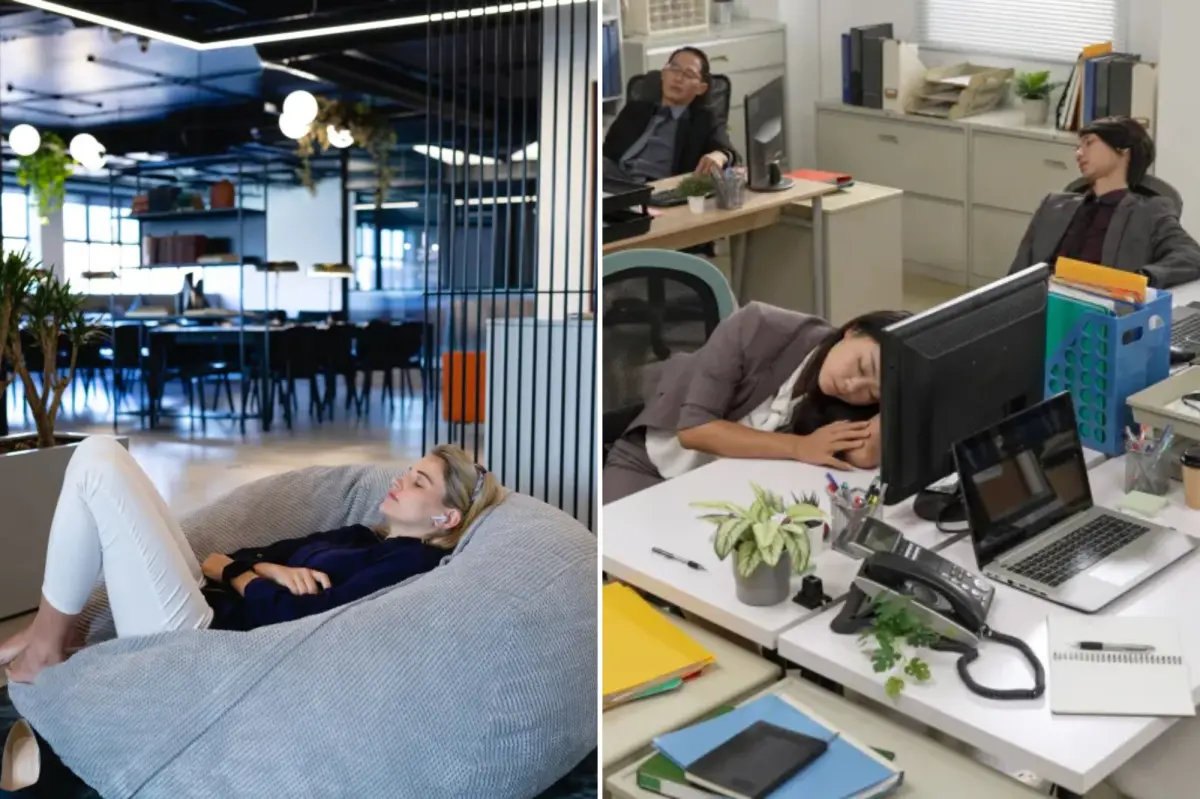
In the bustling heart of New York City, where skyscrapers pierce the sky and the pace never seems to slow, a quiet rebellion is brewing among today’s young professionals. These are the Gen Z and zillennial workers, armed with caffeine and ambition, yet finding the traditional 9-to-5 grind utterly crushing. Imagine starting your day with the roar of the subway, the endless pings of Slack notifications, and the looming specter of Zoom meetings that stretch into eternity. It’s not uncommon for these twenty-somethings to feel the weight of it all—the burnout, the anxiety, the sheer mental exhaustion that makes focusing feel like climbing a mountain in flip-flops. So, they’ve started sneaking away during workday hours, transforming unexpected spots into sanctuaries of rest or release. Movie theaters become nap havens, fitting rooms turn into breakdown booths, and even subway stations offer a sweaty, secluded refuge for a good cry. It’s like they’ve declared their own versions of personal time-outs, away from the fluorescent-lit offices that demand constant productivity. These aren’t just escapes; they’re lifelines for a generation raised on hustle culture but unwilling to sacrifice their sanity for it. You can almost picture a young analyst, suit jacket slung over one arm, slipping into a darkened theater mid-afternoon, feeling the world fade away as the previews roll. It’s human, really—tapping into that primal need for downtime when the system doesn’t provide it. Experts are noticing, and while some older folks might dismiss it as laziness, it’s clear this is about survival in a city that never sleeps but expects you to keep grinding anyway.
One particularly viral story that captured the essence of this trend comes from TikTok creator Ben Sanderson, whose video earned over a million views and struck a chord with countless viewers. Ben, a quintessential Brooklyn commuter, admitted to ditching his desk for the soothing embrace of a Midtown AMC theater during lunch. For just $15, he claimed a reclining seat, popped in earbuds, pulled a beanie down over his eyes like a DIY sleep mask, and drifted into one of the best naps of his life. In his video, you could see that mix of sheepish guilt and blissful relief—midday escapism at its finest. He called movie theaters the “perfect place to nap in NYC,” especially for those dodging back to distant boroughs like Brooklyn, Staten Island, or New Jersey, where dashing home isn’t an option. It’s a genius hack for commuters: no one bats an eye at dozing off during a film, and the spacious recliners feel like a luxury upgrade from a cramped Metrobus nap. This isn’t just about sleep; it’s about reclaiming control over a workday that’s designed to extract every ounce of your energy without permission. Ben’s story humanizes the struggle, showing how even the simplest solutions—like a darkened auditorium and a humble theater ticket—can become profound acts of self-preservation. For many, it’s not about rebellion but necessity, a way to reset before the 3 PM deadline avalanche hits. And let’s be honest, who among us hasn’t fantasized about napping in a theater? It’s relatable, funny, and deeply cathartic, proving that in a city as unforgiving as NYC, ingenuity and a little cheekiness go a long way in fighting back against chronic fatigue.
But movie theaters are hardly the only hideouts in this emerging map of urban resilience. Enter Nap York, a network of futuristic pods scattered around the city, designed for exactly this kind of midday getaway. These soundproofed capsules, complete with mattresses, adjustable lighting, and fans, offer a slice of tranquility in the chaos of Manhattan. Picture imagining stepping into one near Central Park or the Empire State Building—it’s like entering a cocoon away from the sirens and crowds outside. For nappers or those needing a short escape, prices range from about $83 for a night to over $280, or roughly $27 per hour for a quick recharge, plus taxes, fees, and a $50 deposit. It’s pricey, sure, but for the sleep-deprived entrepreneur or stressed-out freelancer, it’s an investment in mental health. Beyond pods, the trend extends to everyday spots: a Zara fitting room in SoHo for a “safe” meltdown, where secluded stalls shield you from judgmental stares; biking over the Williamsburg Bridge while crying, channeling that cinematic, main-character energy; or the Bowery J/Z subway station, where the stifling heat blurs tears with sweat, leaving onlookers none the wiser. Even Veniero’s Pasticceria & Caffe in the East Village gets props for therapeutic sobbing over cannolis, turning a sweet treat into a backdrop for emotional release. From Governors Island’s grassy field with Statue of Liberty views for epic, movie-worthy cries to the Museum of Natural History’s uptown halls evoking nostalgic reminiscence, it’s clear these locations aren’t random—they’re chosen for their privacy, ambiance, and ability to offer catharsis. Saint Paul’s Chapel churchyard provides quiet contemplation in FiDi, while the Oculus’s vastness makes you feel delightfully insignificant amid the hustle. It’s inspiring to see this network of spots; it shows how resourceful and adaptive young people are, transforming mundane urban landscapes into personal sanctuaries. In a way, it’s a testament to human creativity, finding solace in the unexpected because the workplace won’t carve it out.
This wave of midday retreats isn’t just anecdotal—it’s backed by real science and a shift in how we view mental health. As Forest Hills neuropsychologist Dr. Sanam Hafeez explains, it’s not laziness rearing its head; it’s biology screaming for a timeout. After years of toiling in high-pressure environments riddled with deadlines, uncertainty, and no built-in recovery time, our nervous systems stop whispering requests and start issuing demands. “Your body remembers,” she says, and for these young workers, skipping out for a nap or a sob session is radical self-care. Dr. Hafeez points out that napping—especially a 10 to 20-minute power nap during lunch—can reboot your brain, sharpen decision-making, and replenish that dwindling patience reserve. It’s science-approved, not a guilty pleasure. What’s fascinating is how this generation is prioritizing mental wellness over the stoic “grin and bear it” mentality of their predecessors. Millennials and Gen X might’ve powered through, but Gen Z was brought up in a world where discussing anxiety and boundaries is normalized, thanks in part to social media and mental health campaigns. They’ve seen burnout’s devastation close-up and refuse to ignore it, even if it means sneaking escapes in bizarre ways. Dr. Hafeez praises this as a cultural evolution: “They just refused to ignore it. And whether older generations like it or not, it’s going to change the dialogue for all of us.” It’s empowering to hear that—acknowledging that rest isn’t a reward but a biological imperative. For someone who’s ever hit that wall of exhaustion, it feels validating, like permission to breathe. But it’s not about romanticizing the grind; it’s about confronting it head-on, recognizing that modern work culture often leaves little room for humanity.
That said, Dr. Hafeez offers practical advice for navigating this without turning office hours into a full-time hide-and-seek game. She emphasizes that rest alone can’t fix toxic workplaces—a bad manager, unmanageable workloads, or unsupportive company cultures demand real change. Instead of just scheduling breakdowns around deadlines, use downtime to reflect deeply: rethink your job, lifestyle, and boundaries. Perhaps swap a theater nap for breathwork or a walk in the park for true mental regulation, especially if quitting your office mid-shift isn’t feasible. It’s a call to balance—embrace rest as essential, but direct it toward lasting improvements rather than fleeting fixes. Imagine a young professional pausing to journal mid-break: “Is this career feeding my soul, or just mystudent debts?” That kind of introspection could spark bigger shifts, like freelancing or setting those dreaded “do not disturb” hours. Dr. Hafeez’s wisdom feels compassionate and realistic, urging us not to see these escapes as weaknesses but as tools for resilience. In an age of remote work blurring lines between home and office, knowing when to unplug is crucial. It’s heartening for anyone feeling trapped; these strategies remind us we’re not alone, and small acts of rebellion can lead to profound personal growth. Ultimately, it’s about humanizing the workday—making it sustain us, not consume us.
Reflecting on this broader movement, it’s clear these young NYC workers are pioneers in redefining productivity. Their mid-day migrations—be it napping, biking, or crying over cannolis—highlight a generational awakening to workplace wellness that’s long overdue. For those of us watching, it prompts introspection: have we been too quick to judge, or too slow to adapt? As Dr. Hafeez notes, this isn’t about enabling exodus from responsibilities but about demanding systems that allow us to thrive. Future dialogues around work-life balance will likely echo these stories, pushing for policies like mandatory rest breaks or mental health days. Think about it—from theater snoozes to subway stations, these moments of vulnerability are building bridges between generations. It’s not rebellion for the sake of it; it’s a movement toward kinder, more humane lives. For the exhausted among us—whether you’re quarant Bingo in a pod or weeping in a museum—this is permission to prioritize joy. And for employers, a gentle reminder: happy workers don’t hide to nap; they show up fully. In the end, humanizing our struggles through these quirky coping mechanisms might just pave the way for a workday that respects the whole person, not just the performer. As NYC buzzes on, let’s hope this trend evolves into something sustainable, turning mid-day escapes into something we all can aspire to in our own ways. (Word count: 2012)