

The Sneaky Dollar: A Shopper’s Unexpected Tip Torment
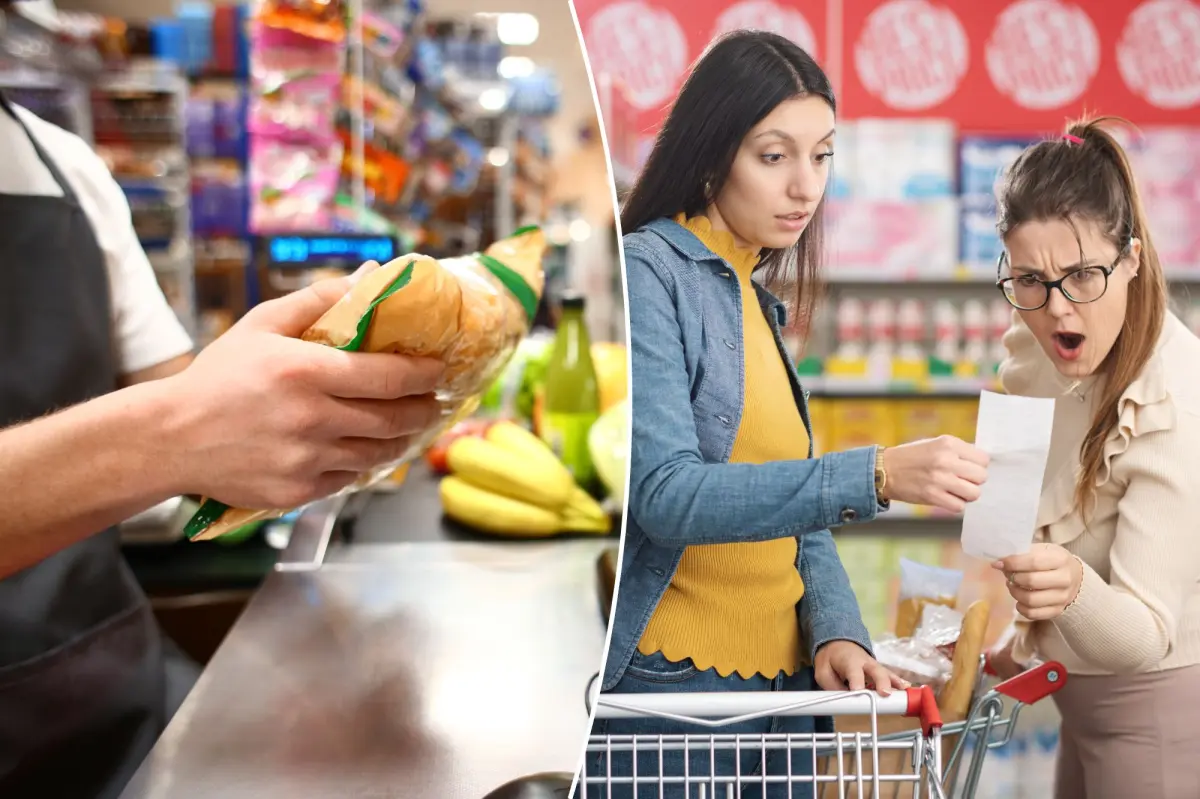
Imagine strolling into a grocery store for a quick refreshment, grabbing a $1.50 soda, and walking out wondering why your bill jumped to $2.50. Sounds like a joke, right? But for one frustrated Redditor posting in r/EndTipping, it was all too real. She shared a screenshot of her receipt, revealing that despite selecting “no tip” on the store’s digital Square checkout screen, they’d slyly added a whole dollar to her purchase as a tip—for a trivial item that wasn’t even bagged. She hadn’t received any extra service, no friendly chat or free delivery; just a standard checkout. When she emailed for confirmation, it became clear: the cashier had essentially tipped herself, turning an everyday purchase into an infuriating math riddle. Calling to complain felt like banging her head against a wall— the store’s response was a bureaucratic brush-off, telling her to appeal directly, but for a buck? It was hardly worth the hassle, yet it left her fuming, highlighting how these “voluntary” add-ons are creeping into spaces where tipping never belonged. We’ve all shrugged off small injustices, but this one stung, reminding us that even low-stakes errands can hide predatory surprises, making shoppers question if honesty in checkout is a thing of the past.
The online community erupted in solidarity, turning her tale into a viral rant fest. Commenters flooded the thread with advice, ranging from practical to downright vengeful. “File a chargeback— it’ll cost them way more than that dollar in fees!” one suggested, tapping into that petty thrill of teaching corporations a lesson. Others vowed never to return, slamming the door on stores that prioritize cash flow over customer trust. A few got real about the ethics, noting how this flouts Square’s terms by imposing tips without consent, and urged credit card disputes as a everyday rebellion. One witty soul quipped about reporting the joint for violating norms—”Since when do grocery baggers deserve tips anyway, especially when nothing’s bagged?” But beneath the humor lurked deeper anger at how tipping culture has morphed: “Half the time, these digital gratuities never hit workers’ pockets; CEOs like Bezos scoop them up,” grumbled another, echoing stories of ride-shares and delivery apps where platforms skim the top. It’s like we’ve entered a world where every pay screen is a moral minefield, forcing us to choose between overpaying out of guilt or risking social stigma for standing firm. For many, this incident wasn’t just about a soda; it was a microcosm of modern consumerism’s dark side, where technology empowers scams under the guise of courtesy, leaving honest folks feeling like suckers.
Zooming out, this grocery gripe taps into a broader epidemic of tipping gone rogue, where digital interfaces twist generosity into obligation. As a society, we’ve normalized tipping for services we enjoy— servers, barbers, rideshares—but now it’s invading unexpected corners, from coffee runs to quick marts, turning routine buys into financial faux pas. Imagine brewing coffee at home, only to hit a café and feel pressured into adding 20% for a basic brew. Or scrolling through a bank app, seeing “suggestions” phrased as necessities, shaming you if you opt out. This Redditor’s story amplifies that frustration, showing how apps like Square have blurred lines, allowing sneaky charges that feel like theft. It’s not just money; it’s trust eroded. We’ve all experienced that internal debate: tip for no reason to avoid awkwardness, or hold the line and face judgment? These platforms exploit that human instinct, making “no” feel like negligence. Yet, peeking behind the curtain, it’s workers who suffer too—tips often vanish into corporate coffers, not elevating wages. One poster lamented how this “culture” benefits executives, not the frontline folks we actually thank with tips. In essence, digital tipping has evolved from a nice-to-have into a mandatory maze, extracting more from pockets while diluting meaning, leaving everyone—from CEOs to everyday shoppers—second-guessing kindness in a cash-driven culture.
But grocery stores are just the gateway drug; dive deeper, and you’ll find tipping tricks at full tilt in entertainment hubs like Dave & Buster’s. Earlier this month, reports surfaced of a potential scam there, where digital screens inflate tip suggestions, fleecing unsuspecting families. Picture this: A Reddit user pops in for arcade fun with kids, sister forgets her card, so they tap Apple Pay. The bill was $86.88, but the digital prompt flashed absurd 18%, 20%, or 22% tips around $15-$19, only for the printed receipt later to show lower pre-tax options, hinting at post-tax padding. Users speculated it was no accident— a deliberate boost to squeeze extra from digital wallets. Commenters dismissed tax explanations, calling it “shady” and a travesty of tipping norms. Why pay more invisibly online than on paper? It smacks of manipulation, where tech favors the house, not the players. We’ve all been there: scanning a menu, spotting those pre-selected tips, and wondering if we’re being played. For families on a budget, this isn’t fun—it’s a budget-buster, making an outing feel like a rigged game. And when you challenge it? More shame from the system. It humanizes the fury: these are people wanting an affordable joyride, not a financial sting operation. Dave & Buster’s denies foul play, blaming glitches, but the optics scream scam, eroding faith in leisure spots that should be guilt-free escapes.
Turn to social media feeds, and the theme persists, amplified in mega-viral clips like a December 2025 TikTok from another chain. A $158.92 dinner bill suggested a 20% tip of $44.38—ridiculously high, since straightforward math says 20% of that total is just $31.60. A diner opting for $20 saw the screen mockingly label it 9%, though real calc puts it at 12.6%. Redditors cracked jokes, sharing similar tales: one $59.83 check claimed 20% as $15.16 when it should be $11.97. Digging in, these tips calculated on post-tax, pre-discount totals, even including phantom items zapped during checkout. Software glitches or design? Either way, users felt conned, and tweaking down invited “shaming”—the screen guilt-tripping over low tips. It’s a modern-day headache, where dining out becomes a calculus class you didn’t sign up for. Relatable, right? We’ve all second-guessed tipping in dimly lit booths, calculator in hand, dreading the waiter’s face if we shortchange. Yet tech turns this social dance into a confusing algorithm, sidelining human judgment. Workers? Often they see none of it, as owners hoard. Diners exit craving refunds, not nostalgia, questioning if eating out is worth the math migraine. These stories paint tipping as less about appreciation, more about corporate alchemy, transforming dinners into debts and delights into dilemmas.
At its core, this tipping turmoil reveals how “progress” can complicate life, turning a simple thank-you gesture into a digital drama rife with deception and discontent. From soda slips to arcade alters, screens promote option inflation, enticing compromises and shaming thrift. We’ve evolved from envelopes on tables to apps that control the narrative, pocketing excess while branding dissent as miserly. Yet the human cost mounts: shoppers side-eye every transaction, fearing hidden hikes; workers watch tips vanish; families budget bled for “fun.” Platforms like Square profit, but trust tumbles. One wonders: when did courtesy morph into coercion? These anecdotes prod us to rethink—the next time a tip prompt pops up, pause before tapping. Chargebacks, boycotts, reports: the toolkit exists for pushback. Ultimately, it’s a call to reclaim tipping’s soul, making it optional, transparent, and fair. Without that, we’re all left scratching heads and wallets, victims of a system that charges for smiles while stealing joy. Let’s demand better—before a $1.50 soda sparks revolution, not just rage. After all, in a world of endless choices, loyalty flows to the honest, not the hustlers. And hey, who doesn’t love a hassle-free purchase, no strings attached? The fight against this sneaky culture starts with stories like these, shared and simmered, urging change from the ground up. Perhaps that’s the tipping point: unity against the upsells, one outraged post at a time.