





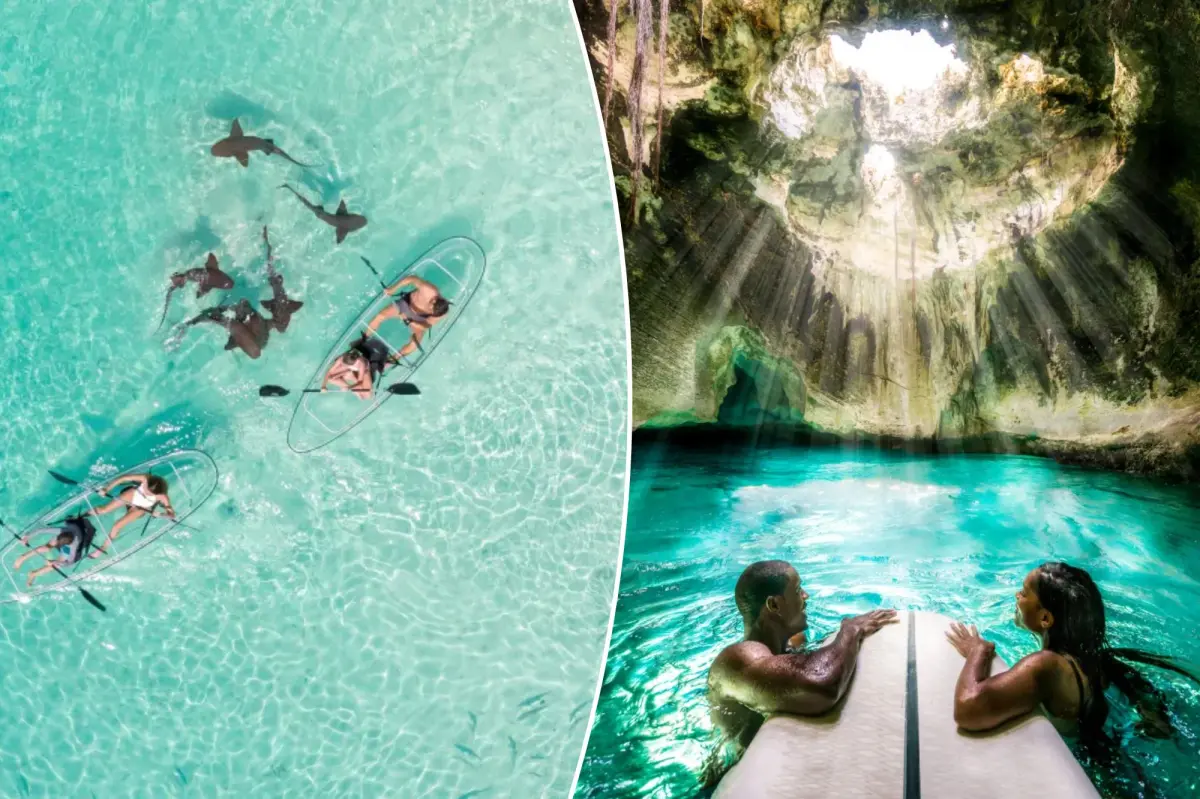
Imagine stepping off a plane onto an island where the air smells like salt-kissed paradise, and the turquoise waters stretch out like an endless invitation to escape the chaos of everyday life. That’s Exuma these days—a place that’s shed its infamous Fyre Festival shadow and emerged as a gem of the Bahamas, far removed from the overhyped disaster of 2017. Sure, that festival turned these islands into a viral punchline, with those disastrous drone videos circulating everywhere, reminding the world of failed promises and muddy tents. But beneath the memes, Exuma’s true allure has always been its raw, unspoiled beauty: over 365 islands and cays boasting white-sand beaches that rival the Maldives or Seychelles, all just a quick 45-minute flight from Miami. No 30-hour journeys here—just clear, shockingly transparent waters that make you feel like you’re swimming in a private artwork. Unlike those distant dream destinations, Exuma feels accessible, almost personal, like a secret family heirloom passed down through generations. I’ve always been drawn to places that balance luxury with authenticity, and Exuma nails it by preserving its West Indies charm. It’s one of the last untouched corners of the Caribbean, where development hasn’t overrun the essence yet. Walking along those powdery sands, you can almost hear the whispers of history—pirates, pioneers, and the quiet ebb and flow of Bahamian life. And now, with a burst of high-end projects underway, Exuma is whispering a new promise: it’s becoming the region’s next luxury hotspot. Picture billionaires and brands flocking here, not to conquer, but to craft sanctuaries that blend sophistication with serenity. It’s not just about opulence; it’s about reclaiming a peaceful narrative in a world that’s often too noisy.
The shift began post-COVID, when the Bahamian government rolled out the red carpet in a big way. Honorable Chester Cooper, the deputy prime minister and minister of tourism, shared that their aggressive strategy was to declare the Bahamas open for business, with streamlined approvals and fast-tracked permits designed to rival any global powerhouse. “We wanted to remind the world that the Bahamas is more than just a vacation spot—it’s an attractive place to invest, with strong brands that welcome serious players,” he explained in a recent talk. This wasn’t empty hype; it was a wake-up call to developers tired of bureaucratic hurdles. Today, you can feel the energy buzzing through the islands—sites that were once quiet fishing spots now echo with the hum of construction cranes and the dreams of the ultra-wealthy. It’s empowering to see a government embracing change without sacrificing its soul. Think about it: in places like this, a simple policy shift can ignite a renaissance. Visitors and locals alike are benefiting from jobs trickling in, better roads weaving through the cays, and a newfound global spotlight that doesn’t dim the local spirit. I’ve chatted with fishermen in George Town who recall their grandfathers’ tales of Exuma’s isolation, and now they see their children learning skills for the hospitality boom. It’s heartwarming—progress that feels inclusive, where overseas billionaires bring resources that uplift the community. Amid the glamour, there’s a grounded optimism here, a sense that Exuma’s future is being built on respect for its roots.
Diving into the specifics, some of the world’s most discreet luxury brands are transforming these islands into private utopias. For instance, Aman Resorts, known for their ultra-exclusive ethos, has teamed up with Swiss entrepreneur and billionaire Dona Bertarelli for Amancaya, their maiden Bahamian venture. Sprawled across 400 acres on Children’s Bay Cay and Williams Cay, this resort promises a sanctuary with 36 pavilions, three- to five-bedroom Aman Residences, a sleek marina, a private beach club, and the signature Aman Spa where you can unwind in total seclusion. Imagine waking to the sound of waves lapping at your doorstep, breakfast served by staff who anticipate your every need—it’s the kind of luxury that feels restorative, not showy. Elsewhere, developer Yntegra Group is crafting Rosewood Exuma on East Sampson Cay: just 33 suites on a sprawling 124-acre island, designed for those who crave privacy amid nature’s embrace. They’re not alone; Yntegra’s also collaborating with Bulgari Hotels & Resorts on Cave Cay, featuring 64 luxury suites and villas plus 48 private residences available for purchase. It’s fascinating how these projects mirror the personal aspirations of developers—spaces where every detail, from the Burberry lounge chairs to the artisanal cocktails, reflects a commitment to indulgence. I remember browsing through renderings of these resorts, imagining the evenings spent stargazing or exploring tidal pools. These aren’t just hotels; they’re micro-worlds where technology meets tranquility—think solar-powered amenities and eco-conscious designs that harmonize with the wild beauty around them. The exclusivity is palpable, a reminder that true luxury isn’t about excess but about curating experiences that mend the soul. Meeting owners who’ve visited reveal a common thread: they leave feeling recharged, inspired to carry that peace home.
Then there’s Jay Penske’s Torch Cay, at the chain’s southern tip, which has quietly become a buzzworthy gem—a modern nod to places like Mustique or Yellowstone Club, but with a tropical twist that feels utterly unique. Encompassing 707 acres, this private island retreat boasts nine pristine beaches, a full marina, the Caribbean’s largest private runway for seamless jet arrivals, and an 18-hole golf course by Coore & Crenshaw, where 11 holes hug the ocean itself. Access is strictly by invitation, crafting an aura of mystique that draws the fiercely private. It’s the kind of place where you might spot flamingos wading or dolphins playing offshore, far from prying eyes. I’ve heard stories from those who’ve been: long walks along deserted shores, gourmet picnics under coconut palms, and golf matches that blend sport with sunset spectacles. The exclusivity adds a layer of romance—think family legacies built on these sands or billionaire gatherings where deals are made over Bahamian rum. But beyond the allure, Torch Cay exemplifies a broader trend: private islands that redefine wealth. No crowds, just tailored adventures—snorkeling with coral reefs or helming your own boat. It’s humanizing wealth, making it about connection rather than isolation. Developers like Penske see this as a bridge between the old-world charm of exclusive clubs and contemporary desires for authenticity. The islands’ checkerboard layout—many government-owned and undeveloped—ensures that luxury here doesn’t come at nature’s cost, preserving the low-density ethos that makes each cay a jewel in itself.
Despite all this gloss, what truly defines Exuma is its essence as a 120-mile chain of low-lying islands, many forever wild and untouched. Much like the Maldives, these developments occupy private cays, fostering a high-value, low-impact tourism model that beckons discerning travelers without overwhelming the landscape. The Bahamian government has wisely stewarded this, ensuring that while projects bring jobs, infrastructure, and economic uplift—roads, schools, and healthcare sprouting in rural areas—the islands’ soul remains intact. Patrick Harrington, CEO of the Peace & Plenty Hotel in George Town, a charming spot with roots back to 1958, puts it simply: “For years, people overlooked Exuma’s magic. Now, social media has amplified it, from Fyre to fabulous.” Those viral drone shots that once mocked the festival now spotlight crystalline waters and sandy vistas, drawing dreamers worldwide. It’s a testament to how digital tools can repurpose mishaps into opportunities. And access is getting smoother—daily flights to Miami and Atlanta are just the start. The George Town airport’s $85 million expansion, slated for fall 2026, will unveil a terminal seven times bigger, with a larger tarmac inviting direct routes from the Northeast. I envision more families like mine planning getaways, hailing cabs to the glassier ramparts, finally connecting Exuma to the bustling rest of the world. This growth isn’t reckless; it’s strategic, leveraging the islands’ geography to create jobs for locals—from chefs to marine engineers—while maintaining biodiversity. Conversations with islanders reveal pride in this evolution: fishermen turning guides, artisans retailing local crafts. It’s about community, not just commerce, ensuring that the influx of wealth enriches lives without eroding history. Exploring Exuma, you sense a protective calm, where each development reinforces the idea that luxury and nature can coexist in perfect harmony.
At the heart of this transformation is a story of vision and persistence, embodied by Felipe MacLean, founder of Yntegra Group. He first sailed into Exuma during the pandemic on a fateful family boating trip from Miami, arriving with no grand plans— just a father seeking respite amid lockdowns and uncertainty. What struck him wasn’t imminent fame but untapped potential; he discovered barriers like inadequate infrastructure that had stifled growth for decades. “I was shocked this paradise wasn’t booming,” he reflected. But advances in tech—like accessible solar energy, compact batteries, and versatile barge services—turned challenges into opportunities. MacLean saw buyers weary of distant journeys craving the private-island allure right at home. “These projects cater to today’s sensibilities,” he says, “delivering seclusion in under an hour’s flight.” His journey from accidental visitor to developer adds a human touch, reminding us that Exuma’s renaissance stems from personal stories—people daring to bridge the gap between dream and reality. I’ve spoken with others inspired by this: an architect detailing eco-resorts or a conservationist replanting mangroves. It’s comforting to know these ventures aren’t fleeting fads but enduring legacies, propelled by innovators like MacLean who value Exuma’s spirit. As I pondered the chain’s future, I imagined future generations inheriting a legacy of beauty preserved through thoughtful ambition—a place where luxury feels like home, accessible to those who cherish it. In the end, Exuma isn’t just islands; it’s a tapestry of possibilities, woven with care, inviting us all to partake in its quiet splendor.