






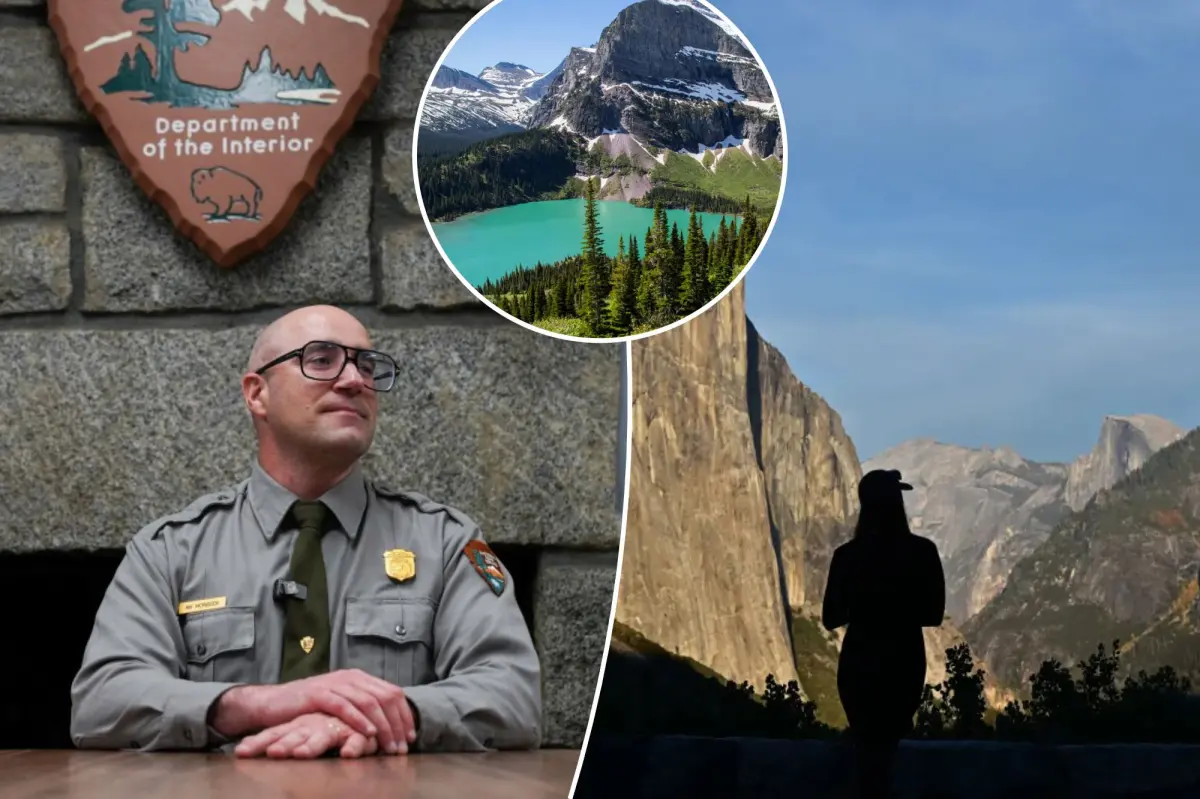
Embracing the Wild: A Fresh Start for Four Iconic National Parks in 2026
Oh, fellow adventurers and nature buffs, imagine waking up to the thrill of spontaneous road trips, where the call of the wild isn’t dictated by a ticking clock or a digital permit. That’s the exciting reality unfolding for visitors to some of the West’s most beloved national parks this year. Arches, Glacier, Rocky Mountain, and Yosemite—four fan-favorite gems—have shaken things up by announcing their plans for how we’ll connect with their breathtaking landscapes. Gone are the rigid structures of previous years, with some parks ditching timed vehicle reservations altogether to prioritize freedom, safety, and that pure, unscripted joy of exploration. For years, these spots implemented reservation systems during peak summer seasons to handle crowds and protect fragile ecosystems, but 2026 promises a shift inspired by real data and feedback. It’s like the parks are saying, “Hey, we’ve got this; let’s make your visit magical without the hassle.” As someone who’s trekked through these red rocks and snowy peaks, I can’t help but feel a surge of anticipation—finally, a chance to wander without the constraints, to feel the wind on your face and the sun setting over ancient arches without checking an app every five minutes. This change isn’t just logistical; it’s a nod to the growing understanding that nature thrives when we approach it mindfully, flexibly, and with a bit of old-fashioned spontaneity. Picture families packing up the RV on a whim, photographers chasing golden hour without a race against time, and locals reconnecting with their backyard wonders. But beneath the excitement, there’s a foundation of smart planning: these decisions stem from years of monitoring visitor patterns, environmental impacts, and operational capacities. Arches and Yosemite are leading the charge by dropping reservations entirely, while Glacier scales back, and Rocky Mountain holds steady in high-traffic zones. It’s a beautiful blend of preservation and accessibility, ensuring these sacred places remain wild and welcoming. As we dive into the details, remember: these parks are more than destinations—they’re invitations to slow down, breathe deep, and create memories that last a lifetime. With flexible hours, early-bird perks, and encouragements to explore off the beaten path, 2026 feels like a renaissance for outdoor enthusiasts. And for those of us who’ve waited out long lines or missed out on last-minute trips, this is your green light. Just think of the stories you’ll tell—spontaneously discovering a hidden waterfall in Yosemite or watching the sun rise over Arches’ iconic formations without a care in the world. But with great freedom comes great responsibility; these changes come with tips like arriving early, checking real-time conditions, and being kind to the land. It’s not just about visiting; it’s about stewardship. In a world buzzing with schedules, these parks are reminding us that some of the best adventures are unplanned. So grab your hiking boots, load up the cooler, and let’s embark on a year of limitless possibilities in America’s natural playgrounds.
Arches National Park: Unleashing Untamed Exploration
Nestled in the red desert heart of Utah, Arches National Park has always been my go-to for that jaw-dropping mix of solitude and spectacle, where crimson stone sculptures stand like ancient sentinels against the skyline. This year, Superintendent Lena Pace and her team are flipping the script on the old reservation system that’s kept crowds in check for summers past, declaring that visitors can now roll in at any time during operating hours—no advance slots needed. It’s a game-changer for folks like me who’ve dreamed of midnight ventures under starlit skies. As an International Dark Sky Park, Arches shines brightest after dark, with constellations so vivid you could pluck them from the heavens, and now, the park is enthusiastically encouraging those after-hours explorations. Picture pulling over on a dirt road, stepping out to the symphony of coyotes and the whisper of wind through the fins—that’s the magic they’re unlocking. But let’s be real: while freedom reigns, peak summer months might bring those familiar vehicle lines at the entrance, especially on weekends and holidays. Pace urges us to “arrive early, explore lesser-traveled areas if certain spots are busy, and be flexible,” which resonates deeply with anyone who’s dodged tourist traps for a more authentic experience. I’ve spent hours in the Fiery Furnace, marveling at the orange hues that shift with the light, and knowing I can do so without a permit feels liberating. The park’s leadership is all about collaboration too, working hand-in-hand with local Utah partners to refine these approaches. They’re not just opening doors; they’re safeguarding resources—those delicate ecosystems that support desert tortoises, bighorn sheep, and the geological wonders born from millions of years of erosion. From the iconic Delicate Arch to hidden gems like Double O Arch, Arches invites us to wander without worry, fostering a deeper connection to the land. For photographers, hikers, and daydreamers, this means capturing that perfect shot of Balanced Rock at dawn or picnicking beneath Tower of Babel without the clock ticking. It’s a nod to wilderness enthusiasts who value spontaneity, and yet, it comes with a gentle reminder: plan ahead for those busier days, perhaps opting for weekdays to avoid the crush. Personally, as someone who’s chased sunsets here, I appreciate how this empowers diverse visitors—from families with kids to retirees seeking serenity. The goal? Protect the park’s 120+ natural sandstone arches while maximizing joy. No more FOMO from sold-out reservations; just pure, unrestricted access to a UNESCO World Heritage site. Local businesses are buzzing with excitement, expecting a boost in tourism that’s sustainable and inclusive. Arches isn’t just accessible—it’s transformative, curling flickering campfires and the rustle of grasses into memories that echo long after you leave.
Yosemite National Park: Weekdays and Wonders Await
California’s Yosemite National Park, with its towering granite cliffs, roaring waterfalls, and emerald meadows, has been a cornerstone of my own wilderness escapades, a place where Half Dome looms like a guardian spirit. This 2026 season, much like Arches, Superintendent Ray McPadden and the park team are scrapping the timed vehicle reservations entirely, a decision born from meticulous analysis of visitor data. They found that weekdays saw plenty of parking spots, smooth traffic, and manageable crowds, proving a blanket reservation wasn’t necessary. It’s a victory for flexibility in a valley that’s synonymous with grandeur, inviting you to meander from El Capitan’s base to the serene shores of Mirror Lake on your own terms. McPadden emphasizes visiting mid-week over weekends, where the magic is often amplified by quieter trails and uncrowded viewpoints. Check the park’s website for real-time conditions—weather, road closures, or wildlife sightings—and you’re set for an unforgettable trip. I’ve hiked the Mist Trail to Vernal Fall, feeling the spray on my face as the thundering water cascades 317 feet, and the thought of doing so without reservation stress is exhilarating. Yosemite’s biodiversity is astounding: black bears fishing for trout, deer grazing in alpine meadows, and the seasonal bloom of wildflowers painting the landscape in vibrant hues. This change supports that harmony, reducing the strain on ranger resources and allowing for more dynamic management of the park’s half-million-acre expanse. Imagine pitching a tent at Valley Vista Campground, waking to the symphony of Yosemite Creek, or driving the scenic routes without entry gates barring your way. For international visitors, it’s a dream come true, eliminating logistical hurdles in a park celebrated worldwide. Yet, with Yosemite’s fame comes challenges; the 2020 Glacier Point fires scarred the land, reminding us of nature’s fragility. By easing restrictions, the park encourages off-peak exploration, like visiting in spring’s wildflower ecstasy or fall’s golden aspen groves. Families can picnic at Cook’s Meadow, artists can sketch the Sentinel Rock formations, and adventurers can summit Vernal Fall without bureaucratic barriers. The team collaborates with partners for safety and education, ensuring rangers are freed to patrol and protect. Personally, as a repeat visitor, this feels like trust from the park—trust in us to visit responsibly. Yosemite isn’t just a landscape; it’s a living classroom, teaching resilience and reverence. So, mark your calendars for those Tuesdays or Thursdays, and prepare for a valley that welcomes you with open arms, minus the reservation rigmarole.
Glacier National Park: Scaling Back for Scenic Freedom
Tucked in the rugged beauty of Montana, Glacier National Park has forever captured my heart with its turquoise lakes, sweeping glaciers, and the iconic Going-to-the-Sun Road—a ribbon of asphalt twisting through mountain majesty. This year, the park is stepping back from full-on vehicle reservations, ditching the requirement in key areas like Many Glacier, Two Medicine, and the North Fork for the 2026 summer. It’s a strategic retreat, focusing on targeted congestion management in hotspots while allowing more fluid access to the rest. Imagine cruising along the North Fork, where eagles soar and forests whisper ancient secrets, without needing to secure a slot in advance. Glacier’s leadership recognizes that these regions can handle freer traffic flows, drawing from lessons on visitor behavior and environmental stewardship. In high-demand spots like Going-to-the-Sun Road, they’ll enforce parking limits at Logan Pass and even divert vehicles if safety needs demand it—smart measures to prevent gridlock on the 50-mile drive that showcases waterfalls, wildlife, and panoramic vistas. I’ve kayaked on Lake McDonald, watching otters play and mountains reflect like glass, and expanding access here feels like a gift to spontaneous explorers. The park’s commitment to protecting its glaciers—some of which are receding at alarming rates due to climate change—forces this balance between adventure and conservation. Grizzly bears roam these valleys, bighorn sheep scale the ridges, and pioneers like Mary Baker Birdwoman inspire tales of solitude. By scaling back reservations, Glacier empowers day-trippers, campers, and backcountry hikers to delve into hidden coves and alpine meadows without the permit puzzle. For international tourists, it’s a welcome simplification in a park bordering Canada, enhancing cross-border travel and cultural exchanges. Yet, challenges persist: road construction on Going-to-the-Sun Road could affect access, and weather can turn unpredictable, with sudden storms or wildlife encounters. The park’s rangers, seasoned guardians, will actively manage these corridors, using real-time data to adjust. As a visitor who’s summited Grinnell Glacier, I cherish how this change fosters deeper connections—whether you’re chikking for trout in the crystal-clear waters or hiking the Highline Trail’s breathtaking ledges. Glacier isn’t just scenic; it’s a living museum of evolution, where wildflowers burst in summer profusion. With local communities rooting for tourism rebirth post-pandemic, this adjustment promises economic uplift while preserving the wild. So, plan for Many Glacier’s boat tours or Two Medicine’s lake hikes, arriving with the mindset of explorers from yesteryear, ready to carve their own paths through glacial grandeur.
Rocky Mountain National Park: Steady Structure for Crowded Trails
In the crisp heights of Colorado, Rocky Mountain National Park stands as a gateway to alpine dreams, with its elk herds, wildflower meadows, and the majestic Rockies piercing the sky—a place I’ve summited Longs Peak and felt that piercing summit euphoria. For 2026, the park is maintaining its timed vehicle reservations during the busy summer season, starting May 22, a system mirroring last year’s to manage influx and safeguard trails from overuse. It’s a pragmatic choice for a spot where Trail Ridge Road’s dizzying switchbacks can clog with visitors, and parking lots like Bear Lake overflow. The setup offers two reservation types: one for the coveted Bear Lake Road Corridor, granting full access while excluding entry to the rest of the park, and another for everywhere else, leaving Bear Lake out. These digital permits run until October 19 for Bear Lake and October 13 for the general park, ensuring orderly enjoyment of spots like Emerald Lake and Stanley Mountain. As someone who’s navigated these verdant valleys, I see the wisdom—without controls, erosion and overcrowding threaten the delicate tundra and wildlife corridors. Elks bugle in dawn mists, marmots whistle from boulders, and the park’s biodiversity thrives amid threats like invasive species. Reservations allow for equity, giving timed slots to all comers via an online system that prevents camping right outside gates. International tourists appreciate the predictability, planning family hikes or photography safaris in an area famous for its 26 peaks over 13,000 feet. But it’s not without effort; visitors must secure slots early, as they fill fast, especially for holidays. The park’s trails cater to all—wheelchair-accessible paths alongside treacherous scrambles—promoting inclusivity. Climate plays a role too; summers bring lightning risks on exposed ridges, so preparedness is key. Rocky Mountain’s leadership partners with adjacent parks and conservation groups for holistic management, tracking visitor impacts and wildlife movements. For me, envisioning cabin stays at Moraine Park with deer nibbling lawns, reservations mean a streamlined adventure, swapping chaos for structured serenity. Families can circle Sprague Lake, adventurers can thru-hike the Continental Divide, all while protecting glaciers shrinking from warming trends. Local Estes Park communities cheer, as sustained tourism supports lodges and outfitters. This isn’t restriction; it’s optimization, ensuring Rocky Mountain remains a jewel for generations, where every reservation unlocks a chapter in the Rockies’ epic tale.
Wrapping Up the Wilderness Wave: Tips and Takeaways for 2026 Adventures
As the curtain rises on this transformative year for western national parks, I’m filled with optimism for what it means for outdoor lovers everywhere—from casual strollers to hardcore backpackers. With Arches encouraging after-hours stargazing, Yosemite advocating weekday trips, Glacier relieving pressure in fringe areas, and Rocky Mountain refining its entry process, the theme is clear: smarter, more human-centered access that honors both visitor joy and ecological integrity. But success hinges on our collective mindfulness—arrive early to beat crowds, monitor park websites for updates on weather or wildlife, and venture off-peak to discover quieter treasures. Flexibility is your best ally; if Bear Lake is packed in Rocky Mountain, pivot to Moraine Park or take a shuttles in Yosemite for smoother sailing. Remember, these changes stem from data-driven insights, balancing safety with freedom, and fostering a deeper respect for the land. Personally, I’ve learned that the best trips blend spontaneity with preparation—pack essentials like bear spray, reusable water bottles, and Leave No Trace principles to minimize our footprint. Parks like these aren’t just playgrounds; they’re classrooms teaching climate change realities, from receding glaciers in Glacier to drought-stressed arches in Utah. As visitors, we’re custodians, preserving biodiversity for future generations. Engage with rangers for stories, join volunteer cleanups, or support conservation through donations. Whether you’re a solo traveler chasing solitude or a group seeking shared wonders, 2026 beckons with open trails. So, heed the calls of these parks: be flexible, arrive with awe, and explore responsibly. In the end, it’s about more than stats or systems— it’s the rush of summiting Yosemite’s peaks, the serenity of Glacier’s lakes, the raw beauty of Arches’ formations, and the serenity of Rocky Mountain’s meadows. Let’s embrace this era of adaptable adventure, crafting anecdotes that inspire others to tread lightly and love deeply. Safe travels, fellow wanderers; the wild awaits, freer and more inviting than ever.