




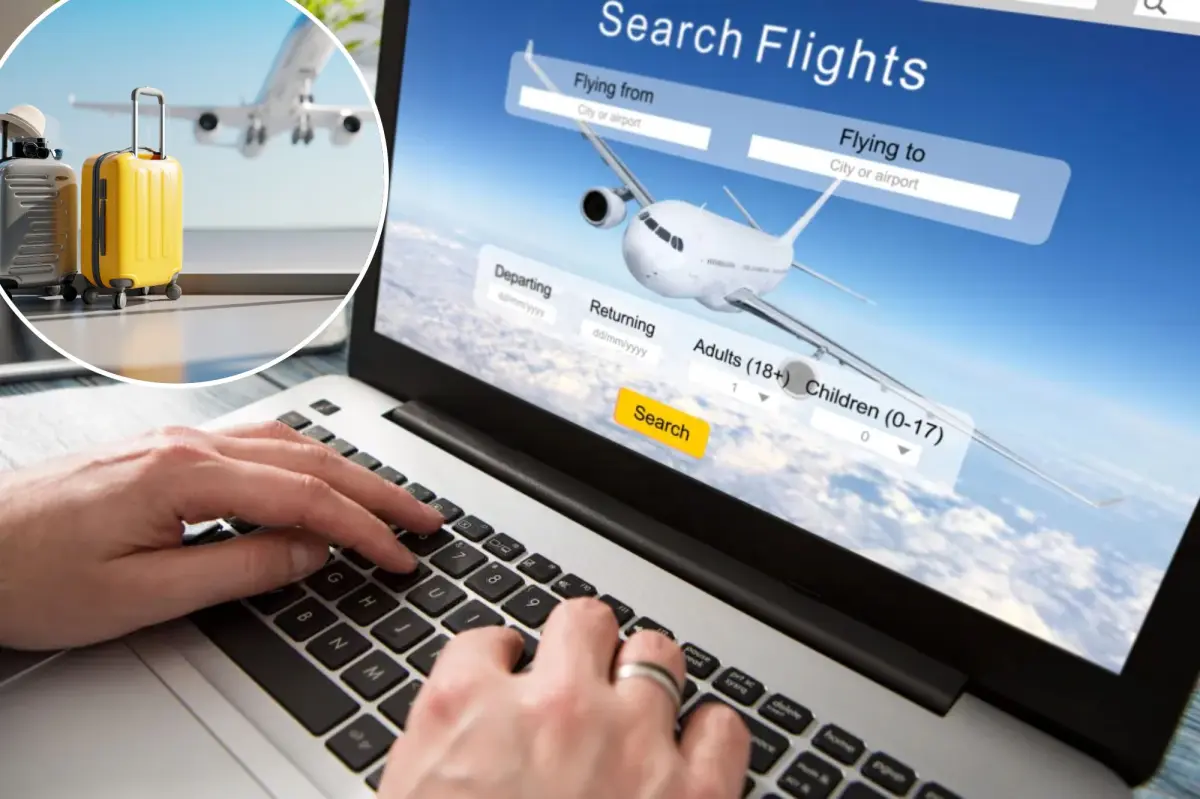
The Art and Science of Booking Travel: Navigating Points, Timing, and AI
As the year winds down, many of us find solace in planning our next getaway. Whether you’re dreaming of tropical beaches or bustling city streets, understanding when and how to book travel can make a significant difference in your experience and wallet. Contrary to popular belief, the conventional wisdom about booking flights doesn’t necessarily apply when using travel points or miles. According to research from Going.com, the timing strategy for award travel differs substantially from cash bookings, creating what experts describe as “bookend” opportunities that savvy travelers can leverage for maximum value.
When booking flights with a credit card, the conventional sweet spot lands in that middle ground – not too early, not too late. Going.com’s analysis of search data spanning January to November 2025 suggests domestic flights are best booked 1-3 months before departure, while international journeys benefit from a wider 2-8 month advance booking window. This middle timeframe typically offers the best balance between availability and pricing for cash bookings. However, points travelers face an entirely different landscape. The optimal times for award bookings occur at opposite ends of the timeline spectrum: either very early (10-11 months out) when airlines first release their schedules, or during those final weeks before departure. This creates a “bookend” effect where the greatest value lies at the extremes rather than the middle.
The strategy makes logical sense when you consider the economics behind airline pricing. During that middle period – when cash prices tend to drop to their lowest points – using valuable award points or miles rarely represents good value. Why spend a fixed amount of points when cash prices are at their lowest? Instead, points become most valuable when cash prices sit at their highest, typically at the very beginning of the booking window when eager planners are willing to pay premium prices, or during the last-minute rush when business travelers and emergency trips drive fares skyward. Smart travelers reserve their points for these high-value periods and opt for cash during those middle months when airlines offer their most competitive pricing.
As we look ahead to travel in 2026, another fascinating trend emerges in how people approach trip planning, with artificial intelligence playing an increasingly prominent role. A striking 77% of Americans report they would consider using AI to help plan their next vacation – a testament to how quickly these technologies have entered our daily decision-making. However, travel experts maintain a healthy skepticism about completely delegating travel planning to algorithms. Sarah Silbert, managing editor at Points Path, advises travelers to view AI as “a great first step” rather than a comprehensive solution, warning against handing over the entire planning process to artificial intelligence systems that may lack critical context or fail to understand nuanced preferences.
The key to effective AI-assisted travel planning lies in providing these systems with detailed information about your travel style, preferences, and expectations. Both Silbert and RVshare travel expert Fiorella Yriberry emphasize the importance of being specific when communicating with tools like ChatGPT or Gemini. The more context you provide about your interests, budget constraints, and travel goals, the more tailored and useful the AI suggestions become. These platforms excel at generating ideas and creating initial shortlists of possibilities but should be viewed as collaborative assistants rather than definitive decision-makers. They can help expand your horizons and suggest destinations or experiences you might not have considered, potentially enriching your travel experience through unexpected discoveries.
Despite AI’s growing capabilities, human judgment remains essential when finalizing travel plans, particularly for critical aspects like transportation timing. “You shouldn’t trust it to make the final call on anything,” Silbert cautions, noting that mistakes in areas like flight connections or transit times “could be costly” both financially and experientially. The most effective approach combines AI’s broad knowledge base and pattern recognition with human discretion and contextual understanding. As we enter this new era of travel planning, the winning formula appears to be a thoughtful balance: leverage AI for inspiration and initial research, points and miles for high-value booking windows, and human judgment for those final, critical decisions that can make or break a vacation experience. With this integrated approach, travelers can navigate the complexities of modern travel booking with confidence, maximizing both value and enjoyment in their future adventures.