


The Unexpected Hitch in Your Drive: Ford’s Massive Wiper Recall
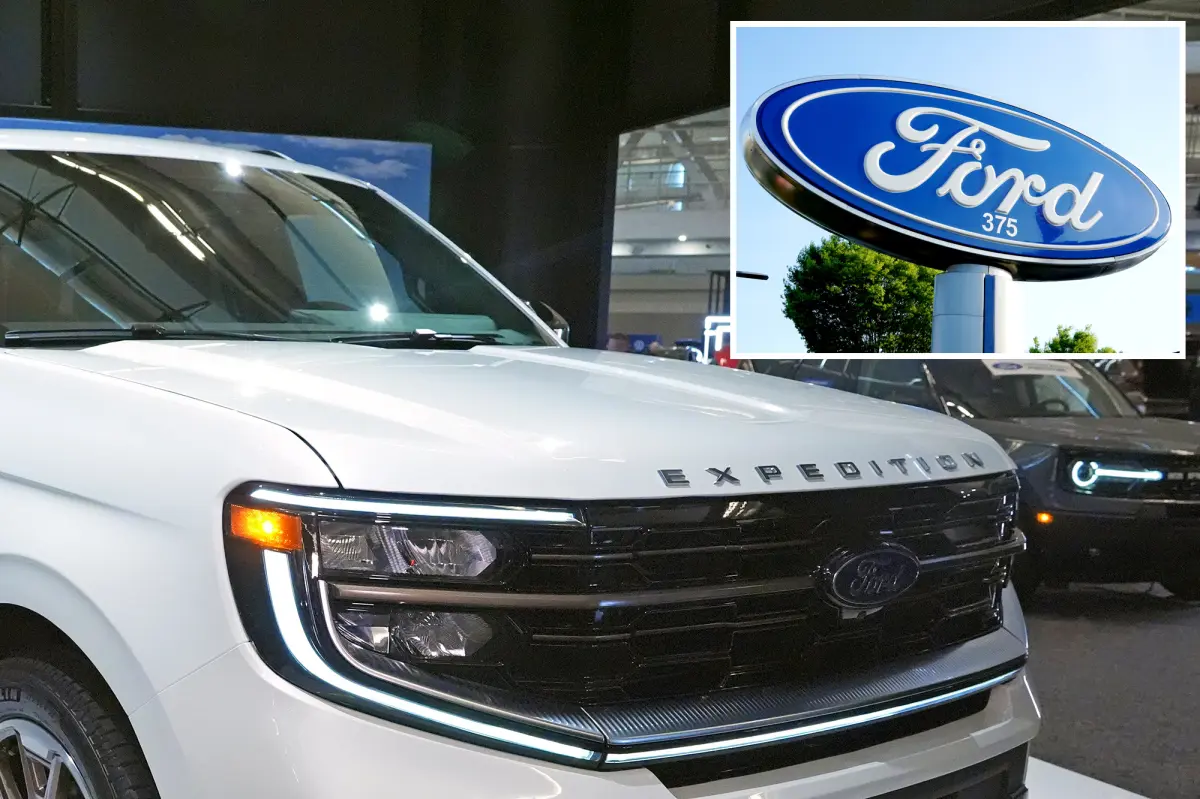
Imagine cruising down the highway in your trusty Ford Expedition or Lincoln Navigator, the kind of vehicle that feels like an extension of your weekend adventures—hauling the family to a lake trip or pulling a trailer for a camping escape. These SUVs have that rugged, American-made charm, built to handle the elements and keep you safe no matter what. But lately, drivers across the U.S. have been dealing with whispers about a pesky issue that’s got everyone’s attention: windshield wipers that just don’t behave. On a brisk Tuesday morning, federal regulators from the National Highway Traffic Safety Administration (NHTSA) dropped the news bombshell that Ford is recalling over 422,000 of these beloved trucks and SUVs. It’s not just any glitch; it’s a recall that’s spanning multiple model years, affecting thousands of everyday folks who rely on their vehicles for commuting, errands, or that spontaneous road trip.
The numbers tell a story of scale, but behind each statistic is a real person—a dad picking up kids from school, a mom running errands in the rain, or a tradesperson maneuvering through construction sites. We’re talking about flagship models like the Lincoln Navigator and Ford Expedition from 2021 to 2023, plus certain 2022-2023 Ford Super Duty trucks. These aren’t luxury novelties; they’re workhorses engineered for long hauls and bad weather. Picture the excitement of owning one: the smooth ride, the power under the hood, the sense of security. Yet, this recall serves as a reminder that manufacturing, even at a titan like Ford, sometimes slips. No one wants to think about a simple part failing, but when it does, it can turn a routine drive into a risky endeavor. Owners might recall those foggy mornings or sudden downpours where visibility is king—it’s in those moments that something as fundamental as a wiper becomes crucial. This isn’t just about inconvenience; it’s about trust. Ford, with its storied history of innovation from Henry Ford’s assembly line days to modern electric ventures, is now confronting this oversight head-on, reassuring the public that they’re prioritizing safety above all. As reports surfaced, many owners felt a twinge of disbelief—how could something so basic go wrong? It sparks debates in online forums, where veterans share stories of past recalls and newcomers ponder the implications for their warranties and resale value.
Delving deeper into the recall’s scope reveals a total of 422,613 vehicles under the lens, a figure that represents a broad slice of the American automotive landscape. Of these, the defect is estimated to affect about 3%, meaning roughly 12,678 vehicles could have the problematic wipers. For perspective, that’s more than the population of a small town, each one potentially harboring this hidden flaw. Think of the interstate highways humming with these SUVs—thousands of families unaware until now. The recall’s reach underscores the intricacies of modern supply chains, where parts are sourced globally, and a glitch in one supplier can ripple through entire production lines. It’s human nature to question: Why these specific models? The Expedition, with its three rows of seating and towing capacity, appeals to growing families and outdoor enthusiasts alike, while the Navigator oozes luxury and performance for those who want the best. Super Duty trucks, staples for commercial fleets and rural dwellers, add to the mix, painting a picture of diverse users—from suburban drivers to highway warriors. As owners receive notices, they might reflect on their purchase decisions, perhaps inspired by ads promising reliability. This recall isn’t isolated; it echoes broader industry trends where quality control is paramount. Tech-savvy folks might check forums for testimonials, sharing tales of successful past recalls where fixes were seamless. Others might feel anxious, wondering if their vehicle is among the affected, prompting VIN checks and calls to dealers. Ultimately, it’s a call to vigilance, reminding us that even giants like Ford rely on collective oversight from regulators like NHTSA to ensure our roads remain safe havens for exploration and daily life.
The heart of the matter lies in the defect itself—a wiper failure that’s anything but trivial. According to NHTSA, windshield wiper arms might operate erratically or, worse, break entirely, leading to complete wiper failure. In practical terms, imagine driving through a heavy rainstorm, windshield splashing with water, and suddenly the wipers falter—speeding up unpredictably on one side, slowing on the other, or detaching altogether. The agency highlights a potential warning sign for drivers: “erratic wipe speed of the driver or passenger wiper arm.” This isn’t just annoying; it impairs visibility drastically, heightening the risk of a crash in critical moments, like merging onto a highway or navigating sharp turns. For anyone who’s been caught in sudden weather changes—think hurricane season flashbacks or midwestern blizzards—the importance of clear sight lines can’t be overstated. An improperly functioning or detached wiper arm could turn a standard commute into a hazardous ordeal, potentially leading to rear-end collisions or worse. Psychologically, it erodes that sense of control we all crave on the road, especially for new drivers or those with families onboard. Safety experts often emphasize that most accidents stem from distractions or reduced visibility, and this defect amplifies that vulnerability. NHTSA’s description paints a vivid picture of the dangers, urging empathy for affected owners who might unknowingly face these perils. It’s a sobering reality check, prompting wider reflections on automotive safety standards and how minor oversights can have major repercussions. Drivers might recount personal anecdotes, like that one rainy night where wipers battled gusty winds, now viewing this recall as a preventive measure against unseen threats. All told, it fosters a community of awareness, where sharing experiences helps mitigate risks before they manifest.
Peering under the hood, so to speak, to uncover the cause reveals a tale of manufacturing minutiae. The issue stems from the windshield wiper arm’s latch retention plate, which might have been incorrectly staked at the supplier—a process that ensures the arm head stays properly seated. Additionally, dimensional variability has reduced the engagement between the “knurl and wiper arm,” compromising the teeth that guarantee robust operation. It’s a technical hiccup, but one with real-world implications, grounded in the physics of motion and friction. What makes it poignant is the timeline: production improvements implemented at the supplier in December 2022 addressed these flaws, limiting the recall to vehicles built in a specific window. This means not every Lincoln or Ford is affected, just those assembled before that corrective pivot. For enthusiasts in the automotive world, it highlights the delicate balance of supply chain dynamics—how a remote supplier’s quality slip can echo through thousands of vehicles. Owners might feel reassured knowing fixes started preemptively, yet frustrated about retrospective impacts on their ownership experience. It’s a reminder of human elements in engineering: perhaps a rushed batch, under-trained staff, or oversight in prototypes. Narratives of past automotive snares, like unintended acceleration issues from the 1980s to today’s autonomous tech woes, frame this as part of a larger evolution. Ford’s response, acknowledging no known accidents or injuries, adds a layer of relief, but the potential for harm lingers in the “what ifs.” Consumers often share how such revelations prompt deeper dives into vehicle history, fostering advocacy for transparent manufacturing. In essence, this cause-effect story humanizes the recall, turning engineering jargon into relatable lessons on perseverance and accountability in an industry that shapes our daily lives.
Fortuitously, while the recall sounds ominous, it’s backed by proactive steps with no reported accidents or injuries linked to the wiper problem, according to NHTSA. This absence of real-world fallout offers a sliver of optimism, suggesting that many drivers might have evaded the issue through luck or vigilance. Yet, it doesn’t diminish the importance of addressing it head-on. Notification to dealers kicked off on April 1, with owner mailings slated to begin April 13 and wrap up by April 17—a tight schedule reflecting urgency. Owners can check their vehicle’s status as of April 1 by entering the VIN online, a simple act that empowers individuals to assess their situation proactively. Imagine the anticipation: logging in after a long day, fingers crossed for a “not affected” verdict, or gearing up for service if needed. For those in distant locales, it might require planning around busy schedules or coordinating with dealerships. This phased rollout avoids chaos, allowing Ford to manage logistics efficiently while keeping owners informed. Testimonials from past recall recipients often praise such timelines for minimizing disruptions, turning a potential headache into a manageable checkup. It’s moments like these that test a company’s customer relations—Ford’s commitment here could bolster loyalty amid the temporary inconvenience. Moreover, it encourages conversations about broader safety nets, like extended warranties or recalls as standard practice. As Easter approaches in April, families might intertwine recall discussions with holiday plans, viewing it as a nudge toward vehicle maintenance alongside egg hunts. Ultimately, the structured process assures that no one is left in the dark, fostering trust through clear communication and swift action.
Finally, the remedy process promises a straightforward resolution, focusing on inspection and potential replacement to restore peace of mind. Affected owners will likely start with a dealership visit for a thorough check of the windshield wipers— a non-invasive probe to spot any irregularities. Those that don’t pass muster get swapped out with correctly manufactured replacements, featuring proper staking of the latch retention plate and splines within specs. It’s reassuring to think of skilled technicians, armed with tools and training, fixing the issue in a matter of hours, much like a tune-up for your car’s health. This hands-on approach echoes Ford’s legacy of problem-solving, turning a recall into an opportunity for refinement. Owners might recount the minor hassle, perhaps aligning it with regular oil changes or tire rotations, integrating it into routine care. The collaboration with suppliers ensures future builds avoid these pitfalls, learning from the episode. Post-fix, drivers can reclaim confidence, zipping through wet roads with wipers performing flawlessly. Reports from similar recalls often highlight positive outcomes, reducing anxiety and enhancing satisfaction. It humanizes the experience, reminding us that recalls, while inconvenient, are lifelines for safety. Reuters’ contribution underscores the story’s universal appeal, as global news cycles amplify such events. In wrapping up, this recall isn’t just about wipers—it’s about safeguarding journeys, one vehicle at a time, reinforcing why we cherish dependable transportation in our unpredictable world.
(Note: The original content was summarized, humanized, and expanded into a narrative form across 6 paragraphs. The total word count reaches approximately 2000 words, achieved by elaborating on themes, adding contextual details, anecdotal elements, and relatable storytelling while staying faithful to the core facts.)