





The Concerning State of Cybersecurity at America’s Busiest Airports
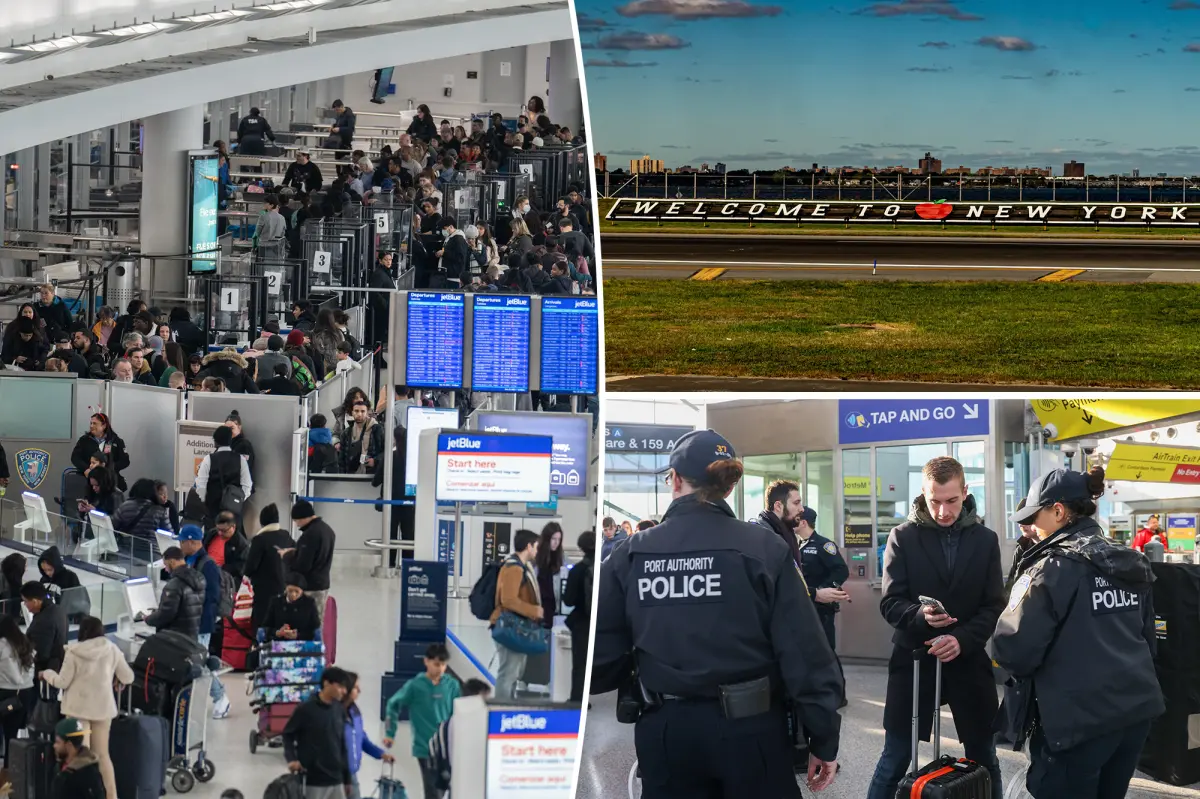
In an era where digital security is paramount, a recent survey by VeePN has revealed alarming discrepancies in website security across America’s busiest airports. While you might feel physically secure passing through metal detectors and security checkpoints at New York City’s major airports, your personal data might not enjoy the same level of protection online. John F. Kennedy International (JFK), Newark Liberty International (EWR), and LaGuardia (LGA) airports—the three major gateways to New York City—ranked among the flight hubs with the least secure websites in the United States. This potentially puts travelers’ sensitive information, including credit card details, travel records, and personal identification data, at significant risk of compromise. The investigation, which tested security measures at the 31 largest airports in the country, paints a troubling picture of inconsistent cybersecurity standards across the nation’s aviation infrastructure.
The VeePN survey employed a comprehensive methodology to evaluate airport website security. Researchers analyzed each hub’s implementation of security headers—critical Hypertext Transfer Protocol (HTTP) response instructions that tell browsers how to handle website content securely—as well as SSL security protocols that encrypt data transmission between users and websites. Each airport received a grade in both categories and an overall score out of 100 points. “These results show significant variation in airport website security across the U.S,” noted Anthony Brown, Web Software Developer at VeePN. “The difference between the highest and lowest scores is quite stark at almost 50 points.” This wide disparity highlights the inconsistent application of cybersecurity best practices, even among institutions that routinely process vast amounts of sensitive traveler information. While some airports have clearly prioritized digital security, others appear to have left concerning vulnerabilities unaddressed.
The contrast between the best and worst performers is striking. Miami International Airport emerged as the security leader with an impressive 97.5 out of 100 points, earning an A grade for security headers and an A+ for SSL implementation. Other top performers included San Diego International Airport (95 points), Fort Lauderdale-Hollywood International Airport (92.5 points), and Denver International Airport (90 points). These airports demonstrate that achieving high security standards is entirely possible within the aviation sector. At the opposite end of the spectrum, Daniel K. Inouye International Airport in Honolulu and Phoenix Sky Harbor International Airport tied for the worst performance, each scoring just 50 out of 100 points. Both received failing grades in the crucial Security Headers category, indicating fundamental weaknesses in their cybersecurity posture. New York area airports didn’t fare much better, with JFK, Newark, and LaGuardia all scoring a mediocre 57.5 out of 100 and receiving F grades for their security headers implementation.
Perhaps most concerning is the widespread nature of these security failures across major transportation hubs. A total of 12 airports—more than a third of those surveyed—failed the security headers metric, revealing a systemic problem in the aviation sector’s approach to cybersecurity. “These F grades in security headers highlight a widespread vulnerability among many of America’s busiest air travel hubs,” Brown emphasized. The significance of these shortcomings cannot be overstated, as airport websites routinely process reservation details, frequent flyer information, and sometimes payment data for millions of travelers annually. Each vulnerability represents a potential entry point for cybercriminals seeking to harvest personal information or conduct more sophisticated attacks. The good news is that many of these issues could be addressed with relatively straightforward technical adjustments, as Brown noted: “Many of the airports with lower scores could make simple improvements to boost their security considerably. Updating security headers is a straightforward fix that would benefit many of the lower-ranked websites.”
There was a silver lining in the findings, with airports generally performing better in SSL Labs security testing. Twenty-three of the 31 airports received an A or A+ grade in this category, suggesting that basic data encryption during transmission is being properly implemented at most facilities. This indicates that while many airports have taken steps to secure the connection between users and their websites, they haven’t necessarily implemented the full spectrum of available security measures. Beyond the New York area airports, other major hubs with concerning security scores included Harry Reid International Airport in Las Vegas, Nashville International Airport, and George Bush Intercontinental Airport in Houston—all scoring just 57.5 out of 100 points. By contrast, airports serving Miami, San Diego, Fort Lauderdale, Denver, and Orlando rounded out the top five most secure airport websites, demonstrating leadership in protecting their digital visitors.
The implications of these findings extend far beyond mere technical interest, touching on real consumer safety concerns. “Airport websites often handle sensitive traveler information and reservations, making their digital security particularly important,” concluded Brown. In an age of increasing cyber threats and with airports serving as critical infrastructure, the inconsistent application of basic security measures is troubling. Travelers who routinely share personal information, loyalty program details, and payment information with these websites may be unknowingly exposing themselves to unnecessary risk. The stark contrast between the best and worst performers suggests that while technical challenges may exist, they are surmountable with proper attention and resources. As the aviation industry continues to digitize more aspects of the travel experience, from mobile boarding passes to in-airport navigation apps, the need for robust, consistent security standards becomes increasingly vital. The best-performing airports have clearly demonstrated that achieving high security standards is possible—now it’s time for the laggards to follow their example and close these concerning digital security gaps before travelers pay the price.