







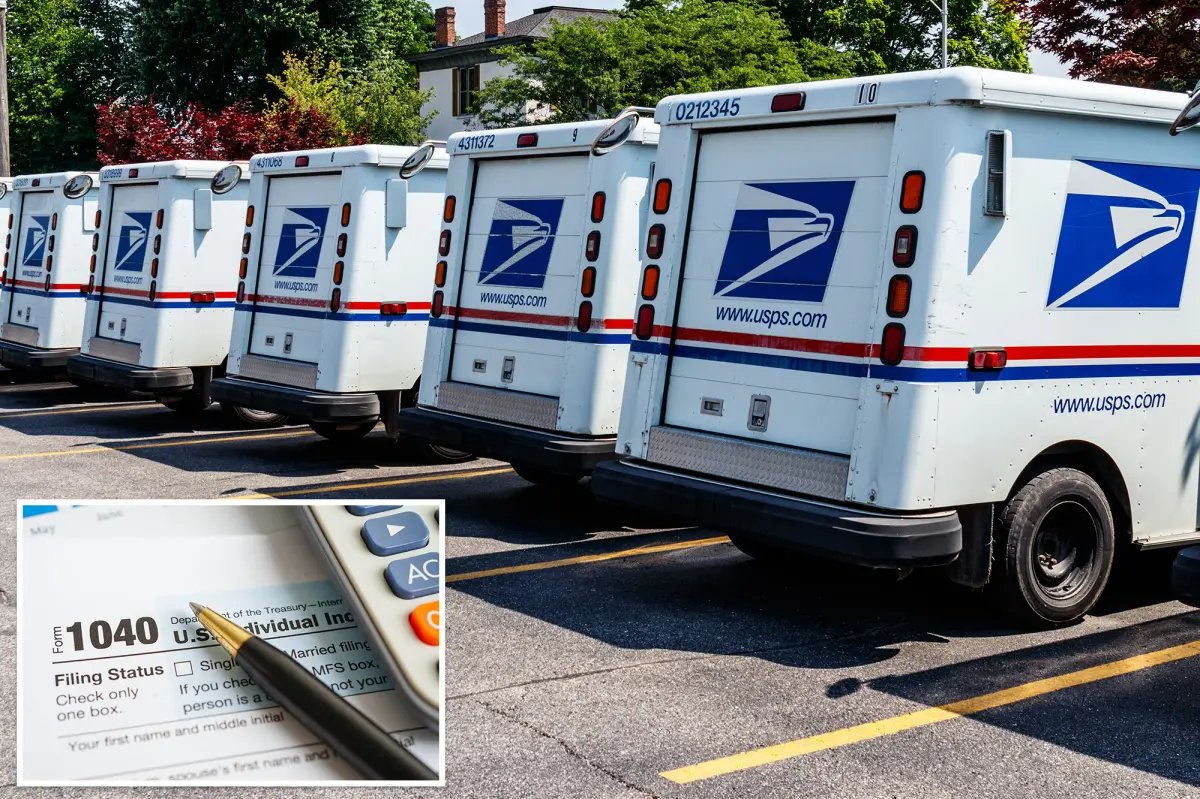
Hey, folks, ever feel like tax season sneaks up on you like a bad dream? Well, there’s a twist this year thanks to some behind-the-scenes updates at the U.S. Postal Service that could sneakily eat into that April 15 deadline we all know and dread. If you’re planning to mail your tax return the old-school way, you might need to hit the post office a whole week earlier than expected—think April 9—to ensure it counts as on time. Tax pros are sounding the alarm about this little-known shift, reminding us that timing isn’t just everything; in taxes, it’s the difference between smooth sailing and a boatload of penalties.
So, what’s the big change? Back in January, USPS announced tweaks to how they transport mail, meaning your envelope might not zip straight to a processing facility the same day you drop it off. Picture this: you carefully place your return in the mailbox or hand it to a carrier, but it could sit in transit overnight, getting that all-important postmark stamp only the next day. Postmarks aren’t slapped on when you mail it; they’re applied at those buzzing processing centers, so the date on your envelope might not match the day you sent it. It’s a bit like ordering coffee and getting it lukewarm because the barista was distracted—unintended, but frustratingly real.
The folks at the Taxpayer Advocate Service, part of the IRS, are calling this out as a potential headache for mail filers. If your return’s postmark says April 16 or later, the IRS sees it as late, even if you swore you mailed it on time. That means penalties, interest, and maybe even a stern letter in the mail. And guess what? Rural taxpayers are hit hardest—about one in five of us live in those areas, where mail delays could make postmarks slide by days. It’s like living in the boonies means you have to hustle twice as hard just to keep up with deadline drama.
But don’t panic; there are smart ways to dodge this bullet and prove your mailing prowess. Skip the standard mailbox drop and head to a USPS counter for options like certified mail, registered mail, or the fancy-sounding Postage Validation Imprint (PVI)—that’s a special mark showing you’ve paid up and when they accepted it. These give you solid proof of mailing, like a receipt that could save your bacon if the IRS ever questions your timing. For a no-frills alternative, if your envelope’s already stamped, ask for a free manual postmark at the post office—it matches your mail date but doesn’t count as official proof. Think of it as locking in that “sent by” time without the extras.
Remember, an ounce of prevention here really does beat a pound of regret later, as TAS wisely puts it. By grabbing that proof, you’re basically giving yourself an insurance policy against IRS scrutiny. And to make life even easier, if a postal hiccup sounds too risky, switch to an authorized private delivery service where you get a receipt stamped with the exact day and time you mailed it. No guessing games, just straightforward certainty that your taxes are en route by the deadline.
Honestly, though, if you can swing it, going digital is the undisputed champion. Filing electronically through the IRS website or a trusted app stamps your return as submitted instantly, with no postmarks or delays to worry about—it’s like teleporting your forms straight to Uncle Sam. And if you’re juggling a busy life or just ran out of steam, hit up that six-month extension form before April 15; it gives you until October 15 to file (though any taxes you owe? Yeah, those are still due by April 15, no wiggle room there). Tax season doesn’t have to be a nightmare—arm yourself with knowledge, a dose of caution, and maybe a quick e-file, and you’ll sail through without the stress. Stay savvy, friends!