

Have you ever noticed how the world treats you differently depending on how you look? Not in a shallow, judgmental way, but in those subtle, everyday interactions that shape your reality? I remember a time when I was younger, always chasing that “perfect” appearance—careful makeup, styled hair, outfits that screamed confidence. But it never felt quite right, especially when I traveled solo. Anxiety would creep in: who was watching, what might they think? Then, last week, I stumbled upon this thread on Reddit’s r/solofemaletravellers that totally flipped my perspective. It was about “ugly privilege,” a term that sounds harsh but resonated deeply. A woman shared how embracing her low-effort, natural self made her feel invisible in the best way possible—not as a knock to her looks, but as a shield against unwanted attention. Her post blew up, getting over 15,000 upvotes, and it sparked a conversation that’s been buzzing across social media. It’s not about glorifying unattractiveness; it’s about the hidden freedoms that come from blending in, especially for women venturing out alone.
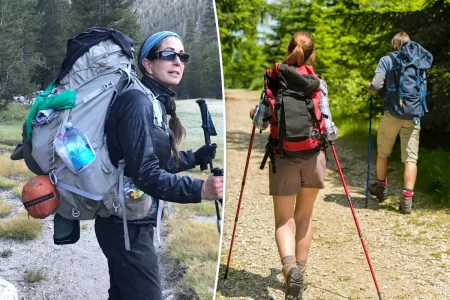
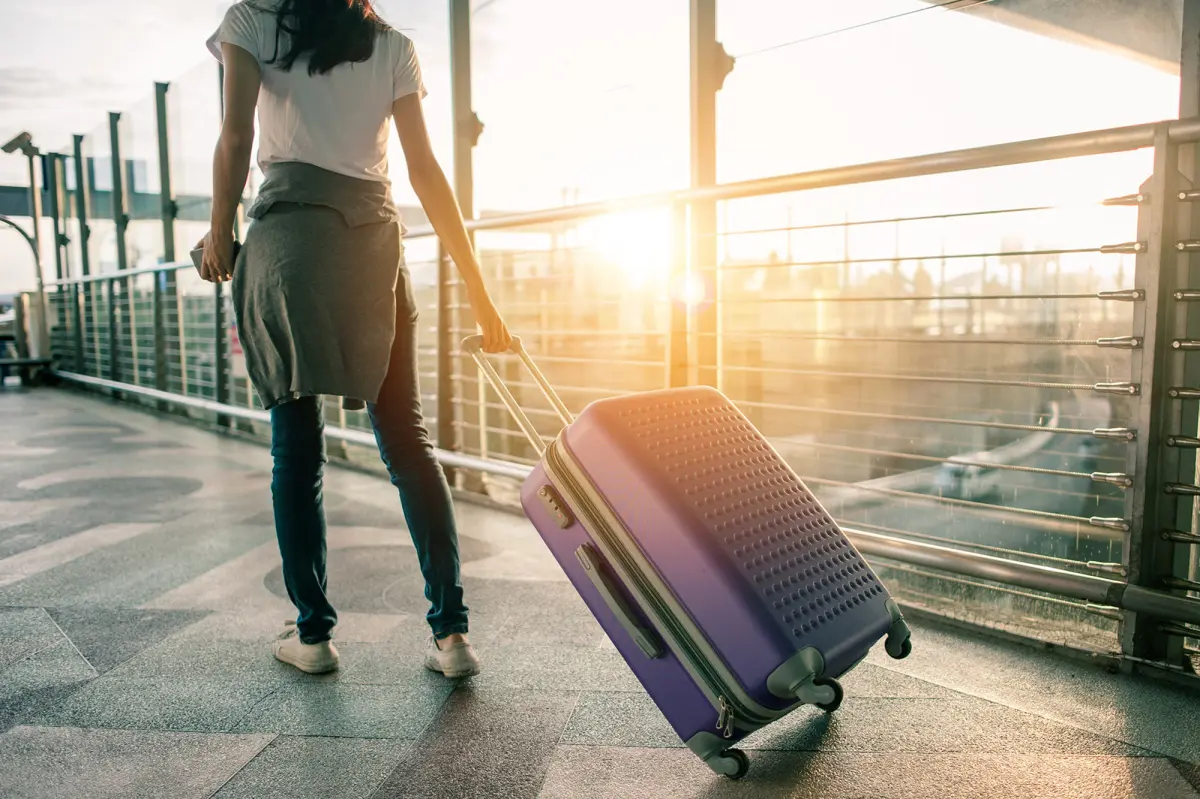
Diving into her story, this globetrotter—let’s call her the original poster—explained how she spent months on the road without makeup, in comfy, messy clothes, letting her hair do its own thing. No glamour, just authenticity. And guess what? She felt “invisible.” In a world where women often navigate the “male gaze”—those lingering stares, catcalls, and unsolicited approaches—it was a game-changer. Fewer eyes on her meant less harassment, more peace. She contrasted this with times she’d dressed up, feeling exposed and vulnerable. “That’s not to say I think of myself as ugly,” she clarified, “but I haven’t been attracting the male gaze while I’m in my traveller aesthetic and it’s felt FREEING.” Reading that, I thought back to my own trips: once in Southeast Asia, I toned down my style after a few uncomfortable encounters, and suddenly, the focus shifted to the sights, not me. It reminded me of how societal pressures make us believe beauty is a tool for empowerment, but sometimes, obscurity breeds true liberation. Imagine wandering Paris streets unnoticed, soaking in history without interruption—it’s empowering in its own quiet way.
The Reddit thread lit up with thousands of comments from women who related, many tying it to aging. One top-voted reply came from a user who said, “One of the most amazing things about aging is getting hassled less.” It’s like society starts seeing you as untouchable, as someone past the prime of desirability, and oddly, that’s a relief. Another chimed in, calling it “the absolute peace of being left alone.” I chuckled thinking of my own journey toward embracing gray hair and wrinkles—how it shifted interactions from flirtatious to respectful. These stories poured out: women sharing how, after years of dealing with street harassment or unwelcome advances, flying under the radar felt like a superpower. For solo female travelers, this isn’t just aesthetic; it’s practical. Whether hiking in the Andes or exploring Moroccan souks, not drawing attention reduces risks. It hit me how many of us have internalized the idea that attractiveness is a currency, but here, these women were reclaiming control through understatement. The comments felt like a support group, validating the grind of traveling while female, where every detail—from posture to outfit—can invite scrutiny or judgment.
Yet, as the discussion deepened, a sharper truth emerged: this “privilege” isn’t really ours—it’s a commentary on how society treats women. Users pointed out the unfairness, arguing it’s not a perk to avoid harassment; harassment itself is the problem. One declared, “It is not a privilege to not be harassed when out in public. Harassment is an attack.” Another echoed, “The problem is it’s rarely nice or attractive men doing this. It’s often men who are scary and you don’t want them preying on you.” This darker undercurrent struck a chord. It forces us to confront sexism: why is a woman’s safety tied to her appearance? Why are “scary” men the ones objectifying? For aging women, many shared relief—”I’m old now and don’t have to worry about it anymore. It’s freaking great”—but it begs questions about intergenerational dynamics. How does this privilege manifest for younger women, or those from cultures where modesty is enforced? It humanizes the struggle, reminding us that beauty standards aren’t just personal; they’re enforced by a system that polices bodies. Personally, it made me reflect on my encounters with sexist behavior, like that time a man blocked my path in a foreign market, emboldened by who knows what. Embracing “ugly privilege” feels empowering, but advocating for accountability is key—educating others to respect boundaries regardless of looks.
In the end, though, many travelers swore by the trade-off, especially for sanity and safety on the road. Being “invisible” offers bliss: you can people-watch, immerse in new cultures, or simply breathe without scripts to perform. It’s like shedding the costume of expectation, focusing on adventure over appearances. Women shared stories of blending into crowds in busy markets or feeling at ease in quiet hostels, their low-key vibe a natural repellant. Sure, there’s a societal critique here—shouldn’t we all walk freely without fear?—but practically, in high-risk areas like certain tourist spots or night markets, invisibility is a smart strategy. I thought of documentaries I’d watched about women adventuring globally, where experts recommend neutral clothing for safety. Adding this “privilege” to the toolkit makes sense; it’s not defeat, it’s adaptation. For introverts or those sensitive to social energy, it’s glorious peace, allowing deeper connections with places and people without superficial barriers. Traveling solo taught me that: the more you blend, the more you blend in—not just as a woman, but as a human exploring the world.
Wrapping this up, “ugly privilege” isn’t about self-deprecation; it’s a conversation-stealer highlighting how stepping outside beauty norms can unlock freedoms we didn’t know we craved. These women’s stories—from Reddit to real-life experiences—paint a picture of resilience: aging into invisibility, resisting harassment, finding joy in anonymity. It challenges us to rethink societal pressures and advocate for safer spaces for everyone. As for me, reading this thread inspired a mini-makeover of my travel prep: fewer trends, more comfort. Who knew feeling “ugly” could feel so liberating? It’s a reminder that true empowerment comes from within, not from mirror reflections. If you’re a fellow traveler, have you tried going low-key? The peace might surprise you, just like it did for thousands of women online.
This whole phenomenon got me thinking broader about privilege in general. Isn’t it fascinating how one person’s “drawback” becomes another’s advantage? Pretty privilege often means doors open, but with that comes expectations and vulnerabilities. Ugly privilege flips it, offering stealth mode in a noisy world. Sociologists might call it a form of subversive agency—women reclaiming space by opting out. In my own life, I’ve grappled with this: times I leaned into glamour and reaped compliments, mixed with the downsides like unwanted flirtations. Then, embracing my natural self—perhaps a bit scruffy from jet lag—shifted dynamics entirely. It’s humanizing to hear others’ tales; aging queens sharing wisdom, young vagabonds discovering hacks. The thread also touched on global perspectives: in some countries, modesty is cultural, boosting safety without the “ugly” label. Yet, in Western contexts, it’s tied to feminism—challenging why women bear the burden of prevention. Experts in psychology note how this reduces objectification, letting women own their autonomy. Anecdotes abound: a friend who shaved her head for cancer treatment found newfound freedom from gender stereotypes. Or another who ditched heels for sneakers and covered more ground literally and figuratively. These stories aren’t isolated; they’re part of a larger narrative of women navigating patriarchy’s gaze.
Critics argue it’s not privilege but equity; no one should fear walking alone. Agreed, but interim strategies help. Harassment statistics back this up—women report more incidents when perceived as attractively vulnerable. So, while we push for systemic change, personal tactics like low-effort looks empower. It echoes “she’s all that” tropes, but playfully. I envision a future where beauty is neutral, not weighted. Until then, embracing “ugly privilege” humanizes travel’s quirks. It’s not anti-beauty; it’s pro-choice. For solo adventurers, it’s a survival skill. Reflecting deeper, it questions identity: are we our looks, or our lives’ sum? This Reddit saga inspired me to chat with girlfriends—swapping travel war stories over coffee. One confessed toning down in marauding taxis for fewerог stares. Another, post-divorce, found liberation in invisibility, rebuilding self-worth. It fosters community, turning vulnerability into strength. Scholars might analyze it as Goffman’s impression management, but to us, it’s lived truth. In closing, “ugly privilege” empowers; share your stories, redefine norms, travel freely.
The viral moment extends beyond Reddit, sparking essays and podcasts on gender dynamics in travel. Women worldwide nodded, from influencers to everyday explorers. It critiques toxic masculinity indirectly—how power imbalances fuel harassment. Yet, it celebrates aging, a taboo-defying act. My grandmother’s tales of post-war travels sans cosmetics mirrored this; she thrived unnoticed, free from wartime worries. Modern parallels include influencers vanishing glam for authenticity, proving low-key yields deeper engagement. Psychologically, it boosts confidence, reducing performative pressures. In tourism, agencies note safer female travel with neutral appearances. Broader implications: feminism intersects with body positivity, urging self-love beyond confines. Personal anecdote: my solo Bali trip sans makeup felt transformative—interactions genuine, not leery. Fellow travelers agreed; one emailed tips for “invisibility gear” like baggy hats. This privilege, if you will, democratizes adventure. No longer gatekept by beauty, women wander bolder. It’s not rebellion, but reclamation. Society evolves slowly, but voices like the Reddit user’s accelerate it. Embracing the ordinary—messy hair, no filters—reveals beauty in authenticity. For skeptics, try it; peace might ensue. Ultimately, “ugly privilege” humanizes complexities of looking and being seen, freeing souls to explore vastly.
Amid dialogues, balance emerges: privilege as palliative, not panacea. Racism, body shaming complicate it for marginalized women. A Black traveler shared compounded invisibility yet heightened risks. Intersectionality matters; privilege varies by race, size, ability. Feminism includes all, urging inclusive safety. Practically, “ugly privilege” aids short-term, but advocacy for safety tech, laws持久 crucial. Women pilots or athletes shared paralleling experiences, blending invisibility amid prowess. Neuroscience suggests less objectification frees cognitive load, enhancing focus. In travel writing, authors narrate liberated sojourns post-“ugly” shift. Anecdotes like a woman backpacking Patagonia unnoticed fostered introspection. Community thrives; online forums buzz with advice. It challenges norms, inspiring authenticity. My therapist nodded: mental health benefits from reduced scrutiny. Quantitatively, studies show aged women harassed less, affirming claims. Qualitatively, peace palpable in testimonials. Future travel might commodify this—apps for “invisibility tips”—but authenticity persists. Reflecting, it altered my approach: vanity bags lighter, spirit fuller. Traveling as is, not as portrayed. This phenomenon, viral yet profound, underscores human nuances. Embrace looks as they are, find freedom therein. Much like the globetrotter’s revelation, it’s a journey toward self. Share, relate, empower—ugly privilege unites us all.
Echoing through cultures, “ugly privilege” resonates universally, yet tailored to contexts. In modest societies like Iran, women relay no-makeup benefits for mobility. Western counterparts echo in comments about fashion’s tyranny. Globally, #uglyprivilege trends, amplifying voices. Psychologists link it to euphoria from unchained self-expression. Anecdotally, a friend ran marathons unnoticed, attributing endurance to peace. Sociologists debate: subversion or compliance? I lean subversion—women dictating visibility. Travel memoirs overflow with parallels: Thoreau-esque wanderings sans preening. Practically, pack light; escapism from mirrors. Long-term, it fosters equity education. For doubters, evidence mounts in surveys. Women in militaries shared camo-clad anonymity liberating. Thus, privilege or tactic, it empowers. Reflect on biases: do we equate attractiveness with worth? No, this redefines it. Humans beneath the facade. Embrace vulnerability; strength follows. The Reddit thread ignited revolutions of mind, proving words spark journeys. Mine included, updated packing list, embracing messy me. Traveling solo, truly free. “Invisible bliss” not fleeting, but forever. That’s the human story beneath the hype.