

Feathers aren’t just for birds anymore—they’ve taken flight in the most spectacular way on the fashion scene, especially when the 2026 Grammys rolled around. Picture this: the red carpet, buzzing with excitement under those bright lights, where stars strut their stuff in gowns that scream bold statements. It was like feathers had been hiding in the wings all this time, waiting for their grand comeback. Suddenly, they were everywhere, adding a touch of drama and whimsy that made everyone stop and stare. What’s so fascinating is how this trend felt both timeless and fresh, like an old friend showing up at the party looking better than ever. Walking through that sea of outfits, you could almost feel the collective gasp as these classic accents popped up in unexpected places. It wasn’t just about the material; it was about a renaissance, a full-blown revival that had fashion insiders whispering about how feathers have evolved from mere decoration to high-fashion must-haves. Reflecting on it, I remember my own wardrobe from way back, tucked away in closets, with those dusty old jackets adorned with feathers that I’d worn in my bohemian days. But now, seeing them on celebrities like this, it hits differently—it feels empowering, like reclaiming a piece of history in a modern context. The Grammys were the perfect showcase, proving that feathers can elevate even the most traditional red-carpet looks into something extraordinary. Fans at home, watching on screens, were captivated, sharing memes and tweets about how they suddenly wanted to raid their craft drawers for DIY versions. It made me think about how trends cycle, but this one seemed to have more staying power because it wasn’t forced—it was organic, inspired by a mix of retro vibes and contemporary innovation. As the night unfolded, those feathered garments fluttered with every step, symbolizing freedom and flair. It was as if the industry had collectively decided that enough was enough with safe, boring ensembles; it was time for a little rebellion through elegance. This surge isn’t isolated—it’s part of a broader fashion dialogue where natural elements are coming back stronger, challenging the fast-fashion norms. For designers, it must be thrilling to blend tradition with trend, creating pieces that tell stories from past eras while nodding to the future. Viewers like me couldn’t help but imagine what it would feel like to walk in those shoes—or rather, those feathered gowns—feeling a bit lighter, a bit more mystical. The energy on the carpet was electric, with photographers snapping furiously, all because of those delicate plumes. In a world obsessed with sustainability and authenticity, feathers represent a nod to nature without being over-the-top. They’re subtle yet striking, proving that sometimes the simplest accessories can make the biggest impact. As the awards were announced and acceptance speeches flowed, those outfits stole the show, reminding us that fashion isn’t just about the outfit—it’s about the attitude. Celebrating this moment, I recall how trends like this often start small and explode, and here we were, witnessing the explosion. It humanizes the stars too, showing Lady Gaga or Kesha not as untouchable idols but as creatives who’ve embraced this whimsical element. The Grammys 2026 weren’t just about the music; they were a testament to how accessories can spark joy and conversation. Personally, I left that viewing excited to incorporate more of that daring into my daily life, maybe through small touches like a feathered scarf. This renaissance isn’t fleeting—it’s a movement, and feathers are leading the charge in redefining elegance for the next era.
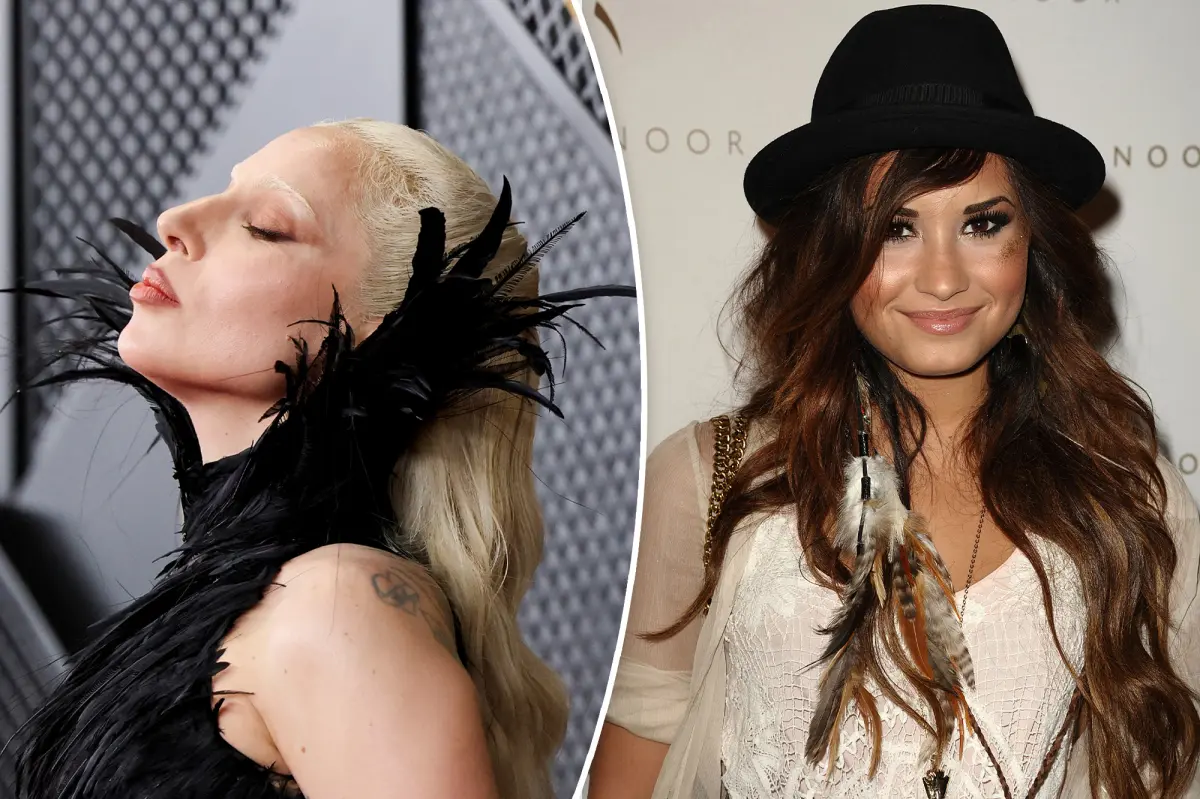
Among the glittering array at the 2026 Grammys, certain looks stood out, transforming the event into a feather-fest that left everyone talking. Lady Gaga, channeling her iconic style, swept onto the stage in a stunning Matières Fécales gown, her neckline and chin expertly framed by cascading black feathers. It was like a dramatic entrance from a modern fairy tale, where every movement made those plumes dance as if they had a mind of their own. Watching her perform, you could see the confidence radiating; those feathers weren’t just an accent—they were armor, giving her that extra flair that sealed her Best Pop Vocal Album win. Nearby, Best New Artist Olivia Dean kept it chic yet edgy with her black-and-white Chanel ensemble, where subtle feathers hugged her waist, adding a layer of intrigue without overwhelming the silhouette. It struck me how versatile feathers can be, fitting seamlessly into high-fashion narratives while maintaining an air of mystery. Then there was Kesha, making her Grammys comeback after years away, opting for an off-the-shoulder white gown sprinkled with soft, wispy feathers that fluttered like whispers. Her choice felt theatrical, a full-on nod to Drama Queens everywhere, marking Music’s Biggest Night with a personal touch that screamed resilience and rebirth. I imagined transitioning back into the spotlight must be nerve-wracking, but those feathers probably made her feel invincible, a shield against the chaos. Each outfit was a conversation starter, with fans dissecting the details: how the feathers enhanced the gowns’ drama, lending them a surreal, almost mythical quality. It wasn’t just about looking good; it was about storytelling through fabric and form. For instance, Gaga’s design evoked a sense of otherworldly elegance, while Dean’s brought a sleek modernity. Kesha’s, on the other hand, captured pure joy in the messiness of life. Reflecting on my own style, I thought about how I’d love to experiment with similar pieces—perhaps a simpler version for everyday elegance. The Grammys reminded us that fashion can be inclusive, inviting anyone with a spark of creativity to play. Those feathered looks didn’t just adorn the stars; they humanized them, showing glimpses of vulnerability beneath the glamour. As the night ended, these outfits lingered in memory, inspiring countless outfit challenges on social media. It felt like a celebration of individuality, where feathers symbolized the freedom to express oneself unapologetically. Beyond the awards, it sparked discussions on gender-fluid fashion, as these elements blurred traditional lines. For celebrants, it was empowering, proving that comeback stories can be as glamorous as they are gritty. The black feathers climbing Gaga’s gown, for example, added a touch of intrigue, making her presence magnetic. Dean’s waist accent brought sophistication, while Kesha’s wispy additions evoked ethereal lightness. Together, they painted a portrait of diversity in elegance, influencing emerging designers to think outside the box. I pondered how these trends trickle down to street wear, democratizing high fashion. This Grammys affair with feathers elevated the conversation, making it accessible and aspirational. It underlined that in a world of constant change, certain elements endure, bridging eras and allowing each generation to reinterpret them. The excitement was palpable, turning the red carpet into a runway of rediscovery. As I rewatched clips, I noticed how the lighting played with the feathers, creating mesmerizing shadows. It was more than aesthetics; it was an experience, one that left scores inspired to embrace whimsy in their own lives.
Meanwhile, the fascination with feathers hasn’t stopped at hemlines—it’s soaring into hair trends, resurrecting an old favorite that’s feeling brand new. Hair feathers, once a boho cliché, are back with a vengeance, thanks to Gen Z’s fearless embrace of revival. This generation, with their knack for dusting off forgotten fads millennials might have cringed at, has turned these plumes into a cool-girl staple, clipping them in for nights out or just to capture that effortless vibe. I remember chuckling at those early teens trends, when Selena Gomez and Miley Cyrus rocked crimped extensions with beads, while Hilary Duff and Bella Thorne made it mainstream festival wear. Ke$ha herself epitomized the look, blending it with her wild persona until the feathers either fell out or grew out naturally. It was raw, unfiltered fun back then, but today, it’s evolved into something more polished. Gen Z isn’t just wearing them for shock value; they’re styling them deliberately, often with social media captions like “had the feminine urge to put feathers in my hair” or “cool girls are bringing back hair feathers.” It’s hilarious how trends cycle, but this revival feels genuine, with women in their 20s and 30s sharing tutorials and inspiration. Personally, I’ve tried similar DIY styles in my youth, sticking found feathers into messy buns during summer concerts, feeling that carefree rush. Now, seeing it back, it’s nostalgic yet fresh, proving that beauty knows no end. Gen Xers and Boomers smirk knowingly, recalling hippie days when flowers weren’t enough—feathers filled the gaps in ponytails and afros. Steven Tyler, the rock legend, has been rocking them forever, from his “American Idol” judge days to way before TikTok existed. It’s humbling to realize that what feels trendy today has roots deeper than we imagine. Yet, Gen Z’s take adds a layer of intention, blending maximalism with practicality, often removable for work or auditions. This isn’t mere repetition; it’s a remix, infusing cultural significance into everyday grooming. As trends go, it’s liberating, encouraging experimentation without judgment. I daydream about trying it myself, perhaps at a casual gathering, to tap into that communal joy. The appeal lies in its simplicity—plumes that transform ordinary hair into statements. For many, it bridges nostalgia and innovation, honoring past eras while forging new paths. Reflecting on shifts in beauty, from ironic to editorial, this rise signifies creativity’s rebirth. Hair feathers weren’t just accessories; they became symbols of self-expression, uniting generations in playful defiance. In salons across cities, they’re being embraced with fresh twists, moving from souvenir-shop randomness to intentional art. It’s a testament to how societal vibes influence style, with Gen Z leading the charge. The fearlessness is admirable, turning potential cringes into celebrations. As I think back to my own trailblazing moments, I appreciate how this trend empowers individuality. Ultimately, it’s about connection, with feathers weaving threads of history into present-day flair. The revival underscores beauty’s cyclical nature, inviting us to rediscover what we’ve forgotten.
Delving deeper, the hair feather trend’s modern incarnation draws from rich celebrity inspirations and cultural touchstones that make it even more captivating. Think of Kim Kardashian, tucking sleek plumes into her buns while promoting her series “All’s Fair” in Brazil last November, exuding effortless cool. Then there’s Tate McRae, strutting the 2025 VMAs red carpet with thoughtfully woven plumes, sending a message that feathers are far from ironic—they’re the height of editorial elegance. It’s like witnessing a transformation: what was once a nod to freedom has become a statement of sophistication. Lana Del Rey captured this essence in her 2014 hit “Brooklyn Baby,” singing about feathers in her hair while embracing Beat poetry vibes, immortalizing a style that’s now synonymous with rebellious femininity. Listening to that song, I feel a rush of nostalgia, imagining rooftop parties with friends, all adorned in similar whimsy. These references aren’t random; they’re signposts revealing how deeply integrated feathers are into pop culture. For instance, the early 2010s explosion, driven by icons like Selena Gomez and Ke$ha, laid the groundwork, blending boho with mainstream fizz. Fast-forward, and it’s Gen Z refining it for a digital age, where social feeds amplify the aesthetic. I recall my own twentysomething adventures, experimenting with extensions during road trips, laughing as they tickled in the wind. Now, it’s a reminder that beauty evolves through storytelling. The shift feels empowering, as women clip in feathers for empowerment rather than just looks. Cultural echoes abound, from flapper-era flamboyance to Indigenous traditions honoring nature. It’s a bridge across time, making the trend feel inclusive and respectful. As I reflect, these figures—Kardashian with her promotional poise, McRae’s VMAs glow—illustrate how accessories can elevate any moment. Del Rey’s lyrics add a poetic layer, turning recognition into romance. This resurgence isn’t about clinging to the past; it’s about reimagining it. For many, it’s a form of self-care, a playful escape from routine. Personal anecdotes flood back, like attaching found feathers to mirror reflections, dreaming big. The trend’s endurance stems from its adaptability, fitting sleek lives or wild nights. It’s humbling to see how one simple element can spark connection, uniting fans in shared adoration. Ultimately, these examples humanize the revival, proving trends thrive on authenticity.
In the heart of this feather fervor, salons are playing a pivotal role, keeping the dream alive with updated twists that cater to today’s discerning crowd. New York City’s Live by the Sword in Williamsburg and Salons by JC in Bay Shore have been quietly offering feather extensions, now retooled for a polished clientele who craves that maximalist edge without the mess. Celebrity hairstylist Jessica Ruby, who’s styled icons like Lana Del Rey, owns Flamingo by Ruby salons and sees this as a game-changer. “This round feels less ‘boho souvenir stand’ and more intentional styling,” she shares, emphasizing how Gen Z and young millennials are embracing maximalism—from hair tinsel to feathers—while ensuring removability for practical lives like work or touring. Her words resonate, painting a picture of accessible luxury where feathers blend into high-glam routines. I can envision myself in one of her chairs, chatting about life while getting styled for a night out, feeling pampered and creative. Mariah Carey’s lead hairstylist, Dior Sovoa, echoes this evolution: what started as DIY festival hacks has matured into fashion-week finesse. “In 2026, it’s about editorial precision,” he notes, integrating plumes into sleek silhouettes, shifting from boho flair to high-fashion highlights. It’s fascinating how these pros are gatekeeping the trend’s quality, ensuring it feels deliberate. Even color experts like Paula Peralta, an LA-based celebrity colorist and Paul Mitchell Artistic Director, weigh in on feathers’ historical depth—from Indigenous rituals to 1920s flapper ornateness. “When done right,” she says, noting Tate McRae’s VMAs look, “the trend has legs,” attributing success to careful placement and coordination. Reflecting on these insights, I appreciate the artistry behind the buzz, turning simple accessories into symbols of intention. Salons like these become sanctuaries for experimentation, where generational wisdom meets youthful energy. Ruby’s vision for removable styles inspires confidence, allowing chic risks without commitment. Sovoa’s precision adds a layer of sophistication, merging heritage with modernity. Peralta’s cultural nods remind us of feather’s profound roots, enriching hairstyles with meaning. For me, these stories humanize hairstyling, revealing passionate artisans curating beauty. It’s not just about trends; it’s about empowerment through expert hands. I daydream about salon visits, emerging transformed, with feathers whispering stories. This rationale adds depth, proving the revival’s intentional craft. Ultimately, hairstylists are trend stewards, blending nostalgia with now in vibrant narratives.
As we wrap up this feathered journey, it’s clear that in beauty, as in life, no trend ever truly dies—it just molts and emerges anew, more vibrant than before. The 2026 Grammys ignited this renaissance, with Gaga, Dean, and Kesha showcasing how feathers elevate fashion into art, while the hair revival, led by Gen Z’s bold resurrection, honors a lineage from hippies to icons like Lana Del Rey. From Kim Kardashian’s promotional buns to Tate McRae’s VMAs precision, these plumes symbolize resilience and flair, bridging eras. Salons and stylists like Jessica Ruby, Dior Sovoa, and Paula Peralta refine it into intentional elegance, infusing cultural significance into removable maximalism. What started as boho whimsy has become a fashionable force, proving that recycling trends fosters creativity. I reflect on my own experiences, from youthful DIY to now admiring the polish, feeling inspired to embrace my inner free spirit. This comeback isn’t nostalgic indulgence—it’s progressive, empowering women to play with identity. Older generations may reminisce with eye-rolls, but Gen Z turns critique into celebration. Feathers teach us about endurance; they weather time, adapting through shifts. In our fast-paced world, they offer a grounding touch of nature’s beauty. As social feeds buzz with tutorials, the trend democratizes artistry, inviting all to participate. It’s humbling to witness evolution, from ironic to iconic. Personally, this surge sparks joy, urging experimentation in daily life. Ultimately, feathers unite us in playful inventiveness, reminding that true style is timeless, always ready for flight. And as seasons change, so will interpretations—yet the essence remains, a flutter of freedom in uncertain times.