







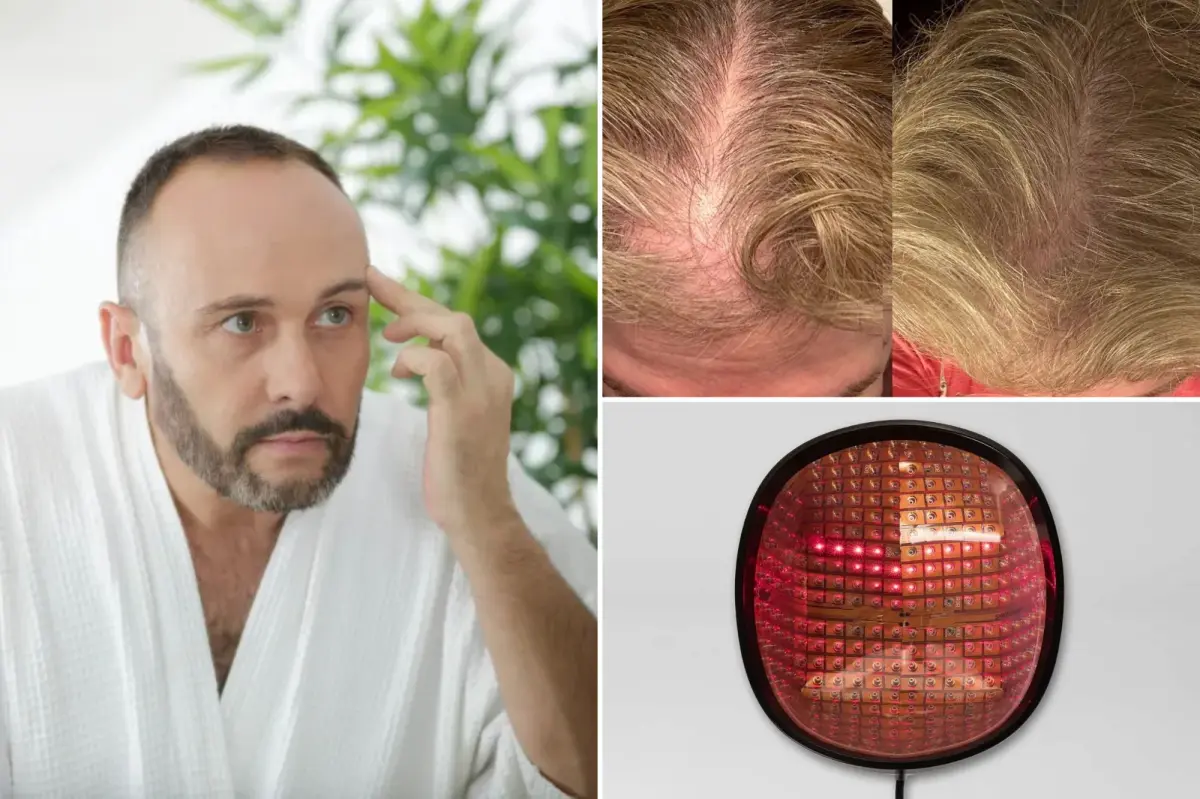
The Truth About Red Light Therapy for Hair Loss: Hope or Hype?
Hair loss is an incredibly common yet deeply personal struggle that affects the vast majority of Americans at some point in their lives. Statistics reveal that over 80% of men and nearly half of women in the United States will experience some form of hair thinning or loss during their lifetime. This widespread issue has created a booming market of products promising miraculous regrowth, with red light therapy emerging as one of the more intriguing options in recent years. But in a world filled with hair restoration gimmicks and disappointments, consumers are rightfully skeptical about whether these glowing devices can truly deliver results. While experts acknowledge that red light therapy shows genuine promise, they also caution that it’s no miracle cure and works best as part of a comprehensive approach to managing hair loss. The reality of red light therapy is more nuanced than most marketing suggests, requiring patience, consistency, and realistic expectations from anyone hoping to restore their thinning mane.
The science behind red light therapy for hair loss is actually quite fascinating and rooted in legitimate research. According to Dr. Jessica Weiser, a board-certified dermatologist who works with hair restoration specialists, “Red LED is scientifically proven technology that has been demonstrated to be effective in proper studies.” The treatment works through a process called photobiomodulation, where specific red light wavelengths (typically around 650 nanometers) stimulate the mitochondria in hair follicle cells. This cellular stimulation increases energy production, which can potentially reactivate dormant follicles and extend the growth phase of the hair cycle. Some clinical studies have produced encouraging results, with one finding that low-level laser red light therapy matched the effectiveness of minoxidil (the active ingredient in Rogaine) for regrowing hair. Another study involving women with pattern hair loss showed a 37% increase in hair count after consistent red light treatment compared to a placebo group. These results suggest that, unlike many trending hair remedies like rosemary oil or rice water treatments that lack scientific backing, red light therapy has legitimate potential for certain types of hair loss.
Despite its promise, experts like Dr. Ross Kopelman, a hair transplant surgeon and restoration specialist, maintain a measured perspective: “In my experience, yes, red light therapy can stimulate hair growth and slow hair loss in some patients. That said, I do not put it at the top of my treatment list.” The treatment’s primary limitations stem from the significant commitment required to see and maintain results. Users typically need to apply the therapy three times weekly for 15-20 minutes per session, consistently for months before noticing improvements. Additionally, any benefits gained will likely reverse if treatment is discontinued. This makes red light therapy more of a lifestyle commitment than a one-time solution. Dr. Kopelman emphasizes that red light therapy is rarely effective as a standalone treatment for significant hair loss. Instead, it works best when incorporated into a comprehensive hair restoration plan that might include topical or oral medications prescribed by a dermatologist or hair specialist. While the treatment has very few side effects beyond occasional mild scalp warmth or tingling, making it safe for most people, its true limitations are practical ones: the high cost of quality devices, the substantial time investment, and the need for indefinite maintenance.
When shopping for a red light therapy device, not all products are created equal, and the market is unfortunately flooded with ineffective options. The most critical factors to consider are wavelength (around 650 nanometers is ideal), power density (which determines how much energy actually reaches the scalp), and comprehensive coverage. Dr. Weiser highlights the importance of bulb count, noting that many caps or helmets have fewer than 100-150 bulbs or lasers, which may provide insufficient coverage for effective treatment. She recommends looking for devices with high bulb counts — some professional-grade options offer over 300 medical-grade laser diodes with dual wavelength technology. Dr. Kopelman adds that a cap-style device that treats the entire scalp simultaneously is far more practical and effective than smaller handheld units requiring constant repositioning. Both experts caution against bargain-hunting when it comes to these devices. Suspiciously inexpensive LED caps found on Amazon or discount websites like Shein are likely to be ineffective due to inconsistent wavelengths, insufficient power output, or poor coverage. As Dr. Weiser bluntly puts it, they “will have minimal if any efficacy” and are essentially “a complete waste of money.”
FDA clearance serves as an important baseline for quality and safety when selecting a red light therapy device. While this clearance doesn’t guarantee results, it does ensure the device meets certain manufacturing standards and safety requirements. Dr. Kopelman strongly recommends sticking with FDA-cleared options to avoid wasting money on potentially ineffective or even harmful unregulated devices. Beyond choosing a quality device, users can potentially enhance results by pairing red light therapy with specialized scalp serums containing growth factors and other active ingredients. Dr. Weiser suggests looking for products that include follicle-stimulating growth factors, peptides that support scalp health, PDRN for cellular regeneration, and anti-inflammatory ingredients. This combination approach can potentially yield better results than using light therapy alone. Some patients also find red light therapy particularly valuable in specific circumstances — when they cannot take traditional hair loss medications due to side effects or contraindications, during pregnancy or breastfeeding when many conventional treatments are prohibited, or as a complement to other hair restoration methods for a more comprehensive approach.
Ultimately, red light therapy represents a promising but imperfect tool in the fight against hair loss — one that requires careful consideration of the financial investment, time commitment, and realistic expectations. While not typically recommended as a first-line treatment by specialists like Dr. Kopelman, it can be a valuable addition to a comprehensive hair restoration plan for the right patient. The biggest challenge isn’t whether the technology works — the science suggests it can — but whether users can maintain the strict consistency required to see meaningful results. As with most effective approaches to hair loss, there are no quick fixes or overnight miracles. Those considering red light therapy should approach it with patience, consistency, and preferably guidance from a dermatologist or hair specialist who can help integrate it into a personalized treatment plan. When used correctly and with realistic expectations, red light therapy may indeed help some people maintain their hair or even regrow what’s been lost — but it shines brightest when part of a broader strategy rather than as a standalone solution to this complex and widespread concern.