





From Heartbreak to Viral Fame: A Romance Novelist’s Revenge Story
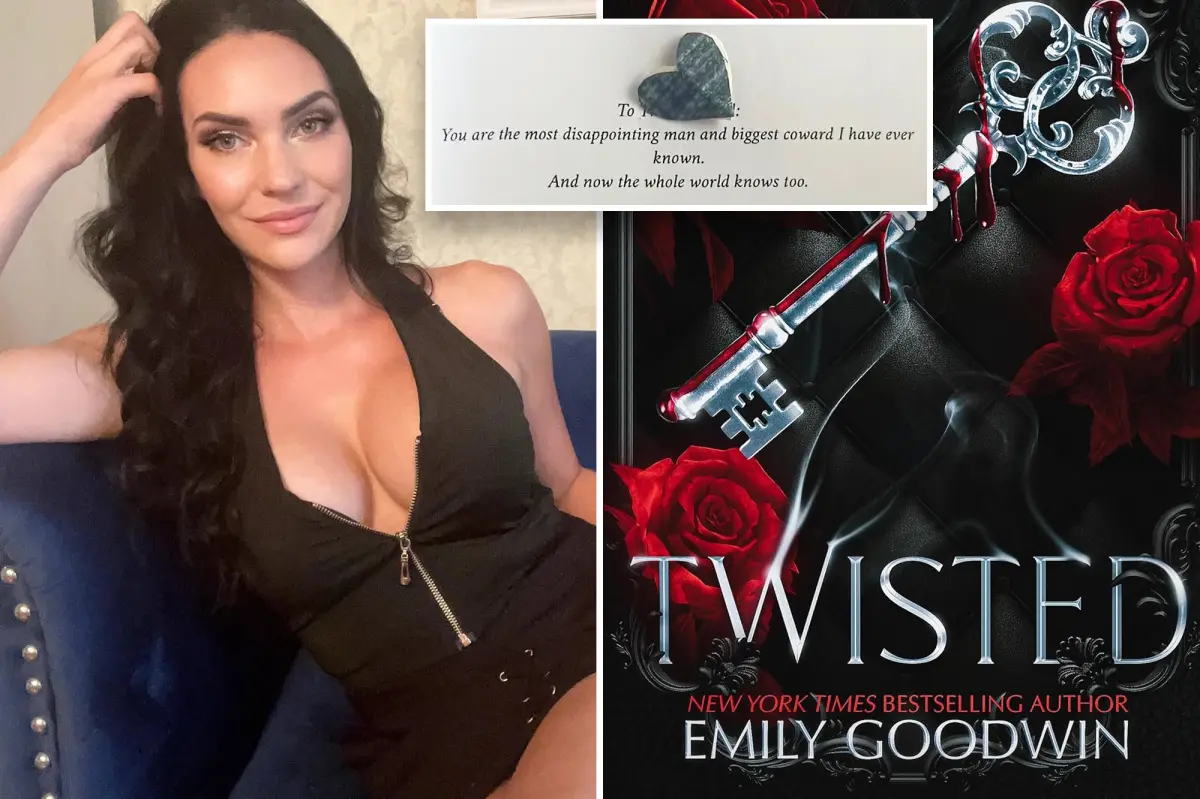
Emily Goodwin, a bestselling author of 51 novels, turned personal heartbreak into literary revenge when she dedicated her new paranormal vampire romance “Twisted” to her ex-boyfriend with the scathing words: “You are the most disappointing man and biggest coward I have ever known. And now the whole world knows too.” This bold move catapulted the 38-year-old writer into viral fame, with millions of viewers on Instagram supporting what many women called a “savage move” and declaring Goodwin their “hero.” The dedication was written through tears after her boyfriend of nearly a year unexpectedly ended their relationship despite previous conversations about engagement. “We went from one night talking about, ‘What kind of ring do you want me to buy you?’ to the next day, which was, ‘My family doesn’t approve of this, so bye,'” Goodwin recalled of the devastating breakup that inspired her literary revenge.
When Goodwin first shared a video about her ex’s reaction to the dedication on Instagram, it quickly garnered over a million views. The post featured a text exchange where her ex warned, “The name is blocked. But it’s about me… Don’t publish it.” Empowered by the overwhelming support from followers, particularly from women who had experienced similar disappointments in relationships, Goodwin continued sharing the saga in a series of posts that collectively reached more than 15 million views. These posts documented her ex’s distress as he called her “seriously unhinged” and complained about his family and coworkers seeing the dedication. The Syracuse native, now living in Indiana, found unexpected healing through this public processing of her heartbreak, explaining that “a lot of other women could relate to being disappointed by someone that they had trusted, and that was going to be in their life forever.” The viral moment became more than personal revenge—it evolved into a shared experience of reclaiming power after betrayal.
Goodwin believes her ex finally recognized the depth of pain he caused once he saw the dedication and the public response to it. “I think he felt bad that he hurt me so much and didn’t want other people to know what he did because he was very much a ‘brush everything under the rug’ type,” she reflected. The author hopes that the experience might serve as a cautionary tale for others: “I’m hoping that by reading comments of everybody agreeing with me, that would make somebody think twice… if you hurt somebody, you have to live with that, and if you don’t want to live with the consequences of knowing that you broke someone’s heart, then behave better.” This sentiment resonated with her audience, many of whom expressed wishes that they too could publicly call out exes who had disappointed them. The viral moment transformed Goodwin’s private pain into a public conversation about accountability in relationships and the aftermath of heartbreak.
The book itself became a creative outlet for processing her emotions, as Goodwin had only written two chapters of “Twisted” when the breakup occurred. She made the cathartic decision to rewrite the beginning “to turn my pain into my art,” crafting a character based on her ex-boyfriend in the novel’s supernatural world of vampires, witches, and demon hunters. In the story, the protagonist Wren’s ex-boyfriend is a demon hunter who abandons their relationship when his parents disapprove of her being a witch, telling him to choose between her and his family—a fictional parallel to Goodwin’s real-life experience. The novel also contains pointed dialogue that reflects her personal heartbreak, with Wren stating, “One of the cruelest things you can do to another human being is to look them in the eyes, tell them you love them, plan a whole future together… and then just walk away.” Through her writing, Goodwin transformed personal betrayal into literary creativity, allowing her to process her emotions while creating something meaningful from her pain.
The experience of writing the book and sharing her story online provided Goodwin with unexpected closure. “I feel like it was taking some power back,” she explained, suggesting that the public nature of her response to heartbreak was empowering rather than simply vindictive. The mother of two found that expressing her feelings through her art and sharing that expression with millions of supportive followers helped her move beyond the painful experience in ways she hadn’t anticipated. What began as a moment of raw emotion—dedicating a book to an ex who had hurt her deeply—evolved into a healing journey that connected her with countless others who had experienced similar disappointments. The viral fame that resulted wasn’t just about revenge; it became about solidarity with other heartbroken individuals and reclaiming narrative control after having future plans suddenly stripped away.
Goodwin has since moved on romantically and is now in a new relationship. Her current boyfriend apparently finds the viral moment “entertaining,” with Goodwin jokingly warning him, “If you misbehave, everyone will know.” This lighthearted comment suggests she has maintained her sense of humor while learning powerful lessons about relationships, vulnerability, and the healing potential of creative expression. Through her viral book dedication and the resulting conversations, Goodwin transformed a painful personal experience into something productive—a successful book, a moment of connection with millions of supporters, and ultimately, the closure she needed to move forward. Her story resonates with many because it demonstrates how creativity can help process emotional pain, how shared experiences can validate feelings, and how sometimes the most effective response to disappointment is simply to tell your truth, even if that truth is printed in the dedication page of a vampire romance novel for the whole world to see.