





The Rise of Poetcore: How Gen Z is Embracing Thoughtful Fashion in a Digital Age
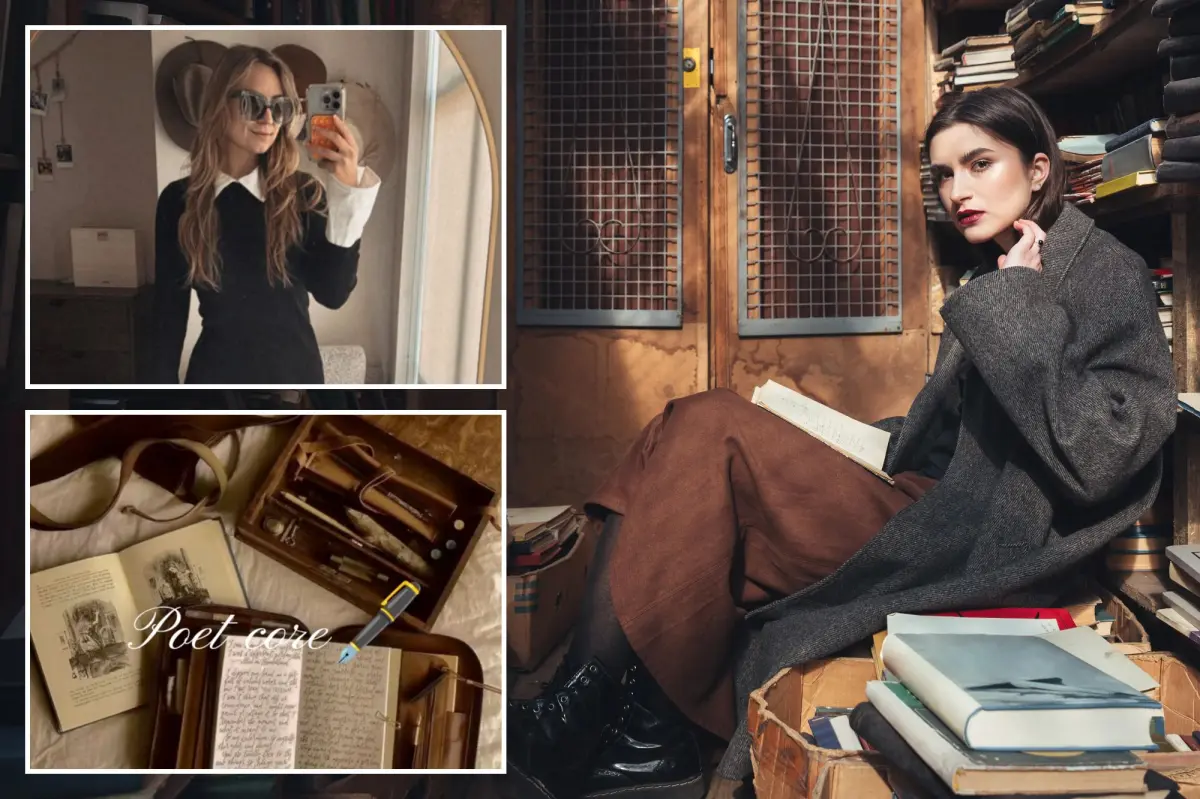
The era of micro-bags and party-girl aesthetics appears to be fading as Gen Z gravitates toward something with more substance and history. Young fashion enthusiasts are increasingly drawn to tweed, knits, and pieces that might have belonged to their grandmothers—not as costumes, but as authentic expressions of a quieter sensibility. This emerging style, now dubbed “poetcore,” represents more than just a fashion trend; it embodies a yearning for softness, substance, and a slower pace in our hyperconnected world. Instead of dressing for nightclub appearances or viral social media moments, today’s youth are choosing oversized sweaters, worn-in blazers, satchels, and lace collars—clothes that suggest the wearer might keep a journal rather than just an Instagram feed. This subtle shift rejects loud logos and trend-chasing spectacles in favor of garments that hint at introspection and thoughtfulness.
Unlike its predecessor dark academia, which often veered toward theatrical Hogwarts-inspired ensembles, poetcore presents a gentler, more modern interpretation of intellectual fashion. It draws inspiration from literary and cinematic worlds like “Dead Poets Society,” “Saltburn,” and Donna Tartt’s “The Secret History,” but adapts these influences for contemporary life. The aesthetic values storytelling over flash—dressing as though you have a manuscript deadline rather than a nightclub reservation. Celebrities have embraced this sensibility too, with “Wednesday” star Jenna Ortega appearing in pinstriped blazers and matching tights, while Taylor Swift has leaned into the look while promoting “The Tortured Poets Department,” pairing tweed coats with cozy sweaters and pleated skirts. As 23-year-old personal stylist Sabrina Morin explains, “Poetcore is romantic intellect with restraint. It’s what I’d call soft intelligence—clothes that suggest depth without shouting for attention.” Unlike more costume-like academic aesthetics, poetcore integrates seamlessly into everyday life—appropriate for work, dinner, or casual outings without feeling like a character study.
This style thoughtfully borrows elements from heritage tailoring, grandmacore, and archival fashion while introducing a more relaxed sensibility. Wide-leg trousers replace rigid uniforms, lace delicately appears beneath knits, and brooches are worn with casual confidence rather than ceremonial stiffness. NYC-based stylist and fashion designer Lamel “Melly” Adkins notes that what distinguishes poetcore from its predecessors is an emotional shift: “Where academia dresses for the mind, poetcore dresses for the heart.” This contrast is central to the aesthetic’s appeal, according to midsize fashion blogger Lauren Trivison, who describes it as “a professor’s closet clashing with a girly girl.” The 28-year-old creator from Spokane, Washington demonstrates the versatility of poetcore by mixing thrifted men’s coats with delicate jewelry and sheer blouses with dark trousers—proving that embracing this style doesn’t require a complete wardrobe overhaul but rather a reimagining of existing pieces through a more thoughtful lens.
At its essence, poetcore reflects a broader cultural deceleration. “We are starting to yearn for the past as a society,” Trivison observes, pointing to the resurgence of analog hobbies, reading physical books, and intentionally spending time offline. This longing resonates particularly with academics and creative professionals who genuinely spend significant time in libraries and intellectual pursuits. For Anya Galperin, a 26-year-old PhD student at Stony Brook University, poetcore isn’t merely a trend but a natural evolution of her style. After years of adhering to strictly “academic” dress codes, her approach softened following the pandemic, incorporating layered textures, romantic silhouettes, and comfort without sacrificing sophistication. There’s also an element of quiet rebellion in the aesthetic. “It has an air of rejecting a lot of the more party girl sleaze stuff,” Galperin notes. “For those of us who do spend lots of time in libraries, this feels like an appropriate way to present myself that allows me to insert some joy and love into every day.”
The poetcore movement aligns with growing resistance to fast fashion, as many adherents prioritize thrifting, rewearing, and inheriting pieces—creating wardrobes that feel personally significant, layered with meaning, and timeless rather than trend-driven. Major designers have recognized this shift, with heritage European fashion houses like Prada, Miu Miu, and Saint Laurent incorporating softened tailoring, subdued color palettes, and intellectual silhouettes into recent collections. Pinterest’s annual trends report has even flagged poetcore as a fashion trend to watch in 2026, noting increasing searches for terms like “poetcore,” “the poet aesthetic,” and “dark academia.” However, stylists emphasize that the label matters less than the cultural shift it represents. “It’s not a flash in the pan,” Morin asserts. “What is fleeting is the strict label; the essence—thoughtful layering, heritage pieces, and intellectual expression—will persist.”
Ultimately, poetcore transcends mere appearance to reflect how young people wish to be perceived in today’s world: curious, intentional, and quietly confident amidst the clamor of digital culture. In a society that often rewards the loudest voices and most attention-grabbing styles, this return to thoughtfulness represents a meaningful countercurrent. The poetcore adherent is the contemplative main character of their own narrative—pen in hand, phone face down, dressed not for algorithms but for authentic self-expression. It’s fashion that whispers rather than shouts, inviting others to lean in closer rather than simply scrolling past. As digital fatigue grows and younger generations seek more meaningful connections, this aesthetic offers a visual language for those who value depth over display, substance over spectacle, and the timeless over the trending. Like the poetry that inspired it, this style speaks volumes through careful selection and thoughtful arrangement—proving that sometimes the most powerful statement is one made softly.