



The Weight Loss Journey That Sparked a Self-Care Revolution
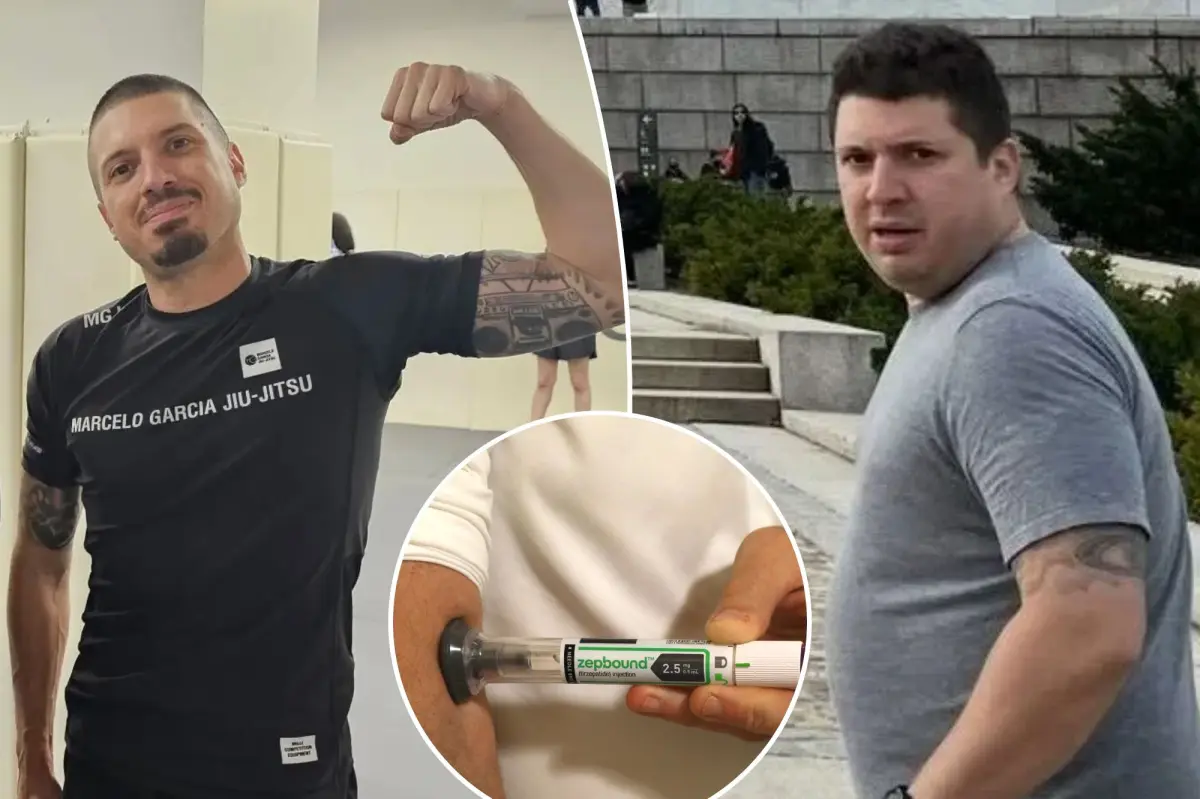
In a moment of profound self-recognition—or rather, non-recognition—Derek Bartel found himself staring at vacation photos, convinced his wife had played a prank by digitally altering his appearance. “Oh my god, is that me?” the 39-year-old Brooklyn real estate broker recalled thinking. The shocking revelation that the images were untouched forced him to confront a reality he’d been avoiding: his weight had silently crept up over the years, particularly after becoming a father. “I knew I’d gained weight, but I think I was in denial a little bit about how much,” Bartel confessed. This moment of clarity became the catalyst for a transformation that would extend far beyond simple weight loss, eventually leading him—and many others across the country—into unexpected territory: the world of cosmetic procedures and enhanced self-care that they’d never previously considered.
Bartel’s journey began with GLP-1 medication (containing tirzepatide, the active ingredient in drugs like Zepbound and Mounjaro), which helped him shed 60 pounds—going from 230 to 170 pounds. But as the weight melted away, it revealed new challenges. “One of the things I noticed was that I carried a lot of the weight in my face, and when I lost my double and triple chin, I had sagging skin on my neck,” he explained. Determined to complete his transformation, Bartel tried Potenza treatments, which use ultrafine needles and radiofrequency energy to boost collagen and elastin, successfully tightening the loose skin on his neck and stomach. This initial foray into cosmetic procedures opened a door he never expected to walk through. “It was like a gateway. That’s what got me hooked,” he admitted. This pattern—significant weight loss followed by increased interest in cosmetic procedures—is something experts are observing nationwide. Scott Heckmann, CEO of LaserAway, has noted this phenomenon across their clinics: “The first wave was about taking control of physical health through weight management. That process unlocked something deeper; people are feeling confident and energized in their bodies again, and they want their outward appearance to reflect that inner shift.”
Whitney Quartey, a 30-year-old Queens resident working in supply chain logistics, shares a similar story. After pandemic-related weight gain and failed attempts with fad diets, she turned to tirzepatide, successfully dropping from 195 to 169 pounds. The weight loss restored her confidence, but also inspired her to invest further in her appearance. “Once I lost the weight, my face slimmed out. I was like, ‘OK, I think it’s time for me to keep investing in my appearance,'” Quartey explained. Since reaching her target weight, she has embraced Botox around her eyes and forehead, dermal filler in her cheeks, and laser hair removal on her bikini line, underarms, and face. These aren’t impulsive decisions but carefully considered investments in herself as she enters a new decade of life. “I just turned 30, things are changing,” she noted. “I’ve never really invested in those things, so I think that now is the time to start doing that before it gets too late.” This mindset reflects what Heckmann has observed among GLP-1 users: “They aren’t just correcting things like volume loss or skin laxity. They’re refining, enhancing, and investing in themselves.”
For Bartel, the journey into self-care extended beyond cosmetic procedures into daily habits he’d previously neglected. “As I started losing weight and feeling a little bit better about myself, I noticed that I kind of let my appearance slip,” he confessed. “I never had any skin care or anything—I didn’t even wear sunscreen.” Approaching 40, he decided it was time for a comprehensive approach to his appearance. He began with basic skincare, then progressed to Clear and Brilliant treatments—a fractional laser procedure that creates micro-injuries to stimulate collagen and cell turnover. “It’s really gotten rid of a lot of the sun damage that I had on my face from years of no sunscreen,” Bartel reported. As he paid more attention to his skin, he noticed fine lines forming around his eyes from years of squinting, which led him to try Botox and Xeomin—something he once thought he would “never do” because it didn’t seem “manly” to him. “I can’t go into the gym and see the guys I kickbox with and be like ‘Oh, I just got Botox,'” he initially thought.
This hesitation around cosmetic procedures, particularly for men, reveals how deeply gendered our perceptions of self-care can be. Yet Bartel’s experience demonstrates how these barriers are breaking down, especially when people begin seeing tangible results. The combination of injections and laser treatments has eliminated his fine lines, leading him to declare: “I look better now than I did six or seven years ago. There’s nothing to be embarrassed about and nothing to be ashamed of.” Dr. Will Kirby, a board-certified dermatologist and chief medical officer at LaserAway, has observed this shift in perspective among many patients. “Weight loss used to be an uphill battle and was often the main focus of their wellness journey,” he explained. “GLP-1 medications have made weight management more attainable, which means patients can now turn their attention to other aspects of their health and confidence.” This expanded focus has led Bartel to explore additional treatments, including CoolSculpting for stubborn fat areas, regular HydraFacials, and even innovative treatments like salmon sperm therapy for skin healing and collagen production.
What’s particularly striking about both Bartel’s and Quartey’s stories is how their initial weight loss journey evolved into a more holistic approach to self-care and personal investment. For Bartel, looking at male relatives “covered in wrinkles by 40 or 50 years old” crystallized his desire for a different path: “I don’t want that. I want to look good. I want to look young.” Similarly, Quartey plans to continue making “small improvements” with treatments like micro-needling and HydraFacials. These narratives represent a significant shift in how many Americans approach personal appearance and wellness. Rather than viewing cosmetic procedures as solely about vanity, they’re increasingly seen as part of a comprehensive approach to health and self-care—one that begins with addressing fundamental health issues like weight management but doesn’t end there. The success with GLP-1 medications seems to empower people not just physically but psychologically, giving them the confidence to invest in aspects of their appearance they might previously have dismissed or felt uncomfortable pursuing. This “second wave” of transformation suggests that the true impact of weight loss medications may extend far beyond the scale, influencing how people view themselves and their relationship with self-care for years to come.