





The Rise and Fall of Microbladed Eyebrows: A Beauty Trend’s Evolution
In 2016, microblading emerged as beauty’s golden ticket—a semi-permanent solution promising perfect eyebrows without daily makeup application. The procedure, which deposits pigment into the skin using tiny needles to create hair-like strokes, became the ultimate status symbol for beauty enthusiasts tired of their morning brow routines. “The idea of not having to fill in my brows sounded so exciting at the time,” recalls Viveca Chow, a 30-year-old content creator from Queens. “I’m not good at makeup, and especially not at filling my brows, so this was a win-win.” Microblading offered a transformative experience at a premium price point, ranging from $300 to $1,200, with the promise of natural-looking, defined brows that would gradually fade over time. The 2016-2017 period marked peak brow obsession, as celebrities and influencers showcased full, sculpted arches that departed dramatically from the thin brows of previous decades. This technique seemed revolutionary compared to the blocky permanent tattoos of the past, offering a more sophisticated and natural aesthetic that perfectly aligned with the beauty standards of the mid-2010s.
However, as with many beauty trends, time has revealed significant drawbacks to what was once considered a miracle solution. Fast-forward nearly a decade, and many early adopters are experiencing regret as their once-perfect arches have morphed in unexpected ways. “It’s eight years later, and my brows are still completely intact,” says Chow, who is currently undergoing painful chemical removal sessions that leave her skin red, scabbed, and require days of healing. The semi-permanent nature of microblading has proven to be misleading for many, as the pigments often remain visible far longer than the 12-18 months typically advertised. Even more concerning are the color changes that occur as the pigment ages in the skin—once-perfect brown strokes can shift to unnatural gray, blue, green, orange, yellow, or even pink tones. Fine strokes that initially looked like natural hair can blur and spread over time, resulting in solid patches that appear artificial and dated. These developments have left many women feeling trapped by a beauty decision made years ago, particularly as brow trends have evolved toward softer, more natural shapes that make the bold, defined 2016 style seem increasingly out of place.
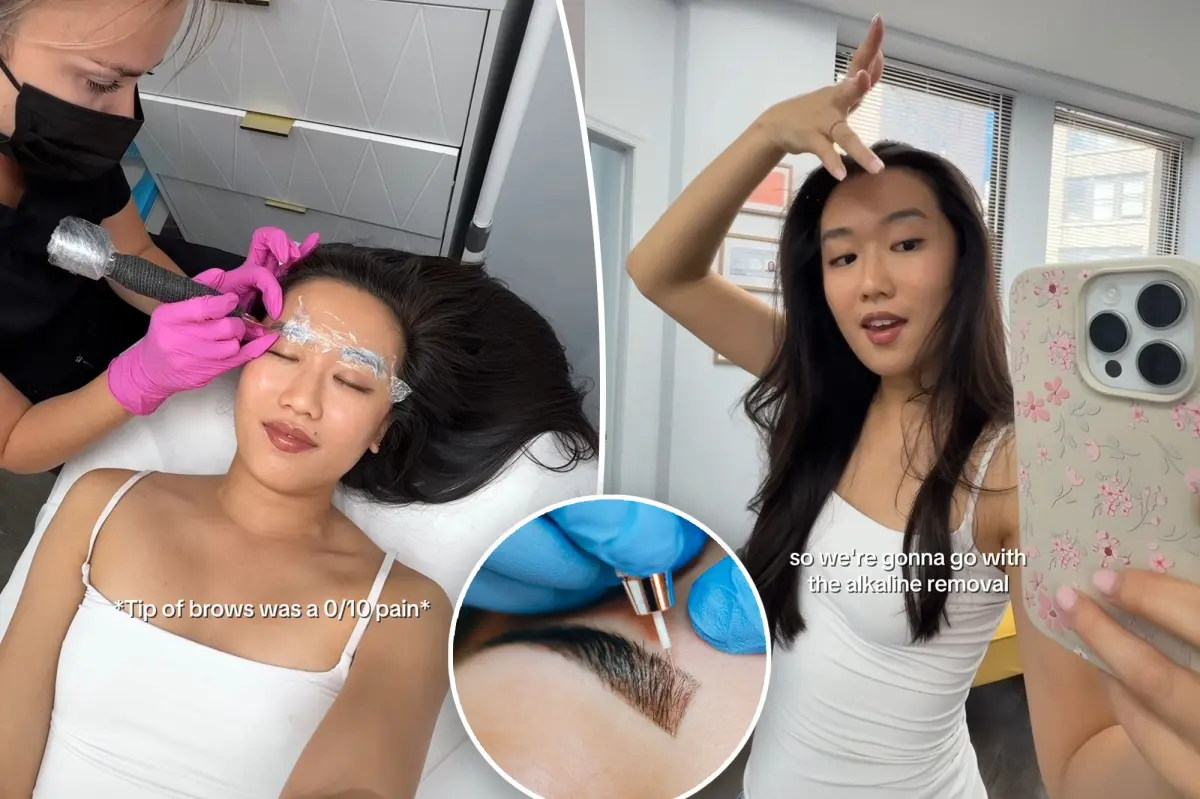
The emotional and financial toll of microblading regret can be substantial, as removal is both painful and expensive. Chow, who has gone viral documenting her removal process, describes the experience as unexpectedly agonizing: “You know the pain when someone’s doing manual extractions on your nose, and you start to tear up because your body is reacting to that pain? This is what happened here.” She opted for alkaline removal sessions at a Manhattan salon, costing $200 each, with a total expected cost of around $1,000. The removal process is not only painful but also slow, requiring multiple sessions with considerable healing time between treatments. Social media has become a platform for sharing these experiences, with many women posting tearful confessions about feeling “ugly” or unable to leave their homes due to outdated or botched microblading results. “When you thought microblading your eyebrows five years ago was a good idea,” one woman recently shared online as a warning to others, adding that she’s “ready to laser them off.” Chow didn’t realize her microblading had become problematic until five years after the procedure, when she noticed her brows looked exactly the same as when they first healed—indicating the artist likely applied the pigment too deeply, making it essentially permanent rather than semi-permanent as intended.
Medical experts have become increasingly vocal about the potential pitfalls of microblading. “2016 brows were bold, thick, and perhaps a little too well-defined,” explains board-certified plastic surgeon Dr. Maryam Saheb-Al-Zamani. “Microbladed eyebrows rarely fade fully—and over time, they can leave blocks of reddish or grayish color instead of the original fine strokes.” She points out that the procedure’s standardized approach doesn’t account for individual facial features, leading to uneven results or shapes that don’t complement natural bone structure. “Microblading’s cookie-cutter approach didn’t suit every face,” she notes. “Many patients end up with uneven brows or shapes that don’t match their natural arches—and those can be tough to fix.” Removal options are limited and each comes with drawbacks—laser treatments, for instance, can turn microbladed brows yellow, which is why Chow opted for the chemical removal route despite its higher cost and pain level. Board-certified dermatologist Dr. Shannon Humphrey emphasizes that beauty standards have shifted: “Beauty ideals are shifting towards less contoured and rigid with a nod towards a natural look and graceful aging,” making the heavy, defined brows of the mid-2010s appear increasingly dated.
Today’s eyebrow trends have evolved significantly from the microblading boom, with emphasis now placed on flexibility and a more natural appearance. Contemporary brow styles favor softer, fluffier looks achieved through techniques like nano brows, powder brows, lamination, or simply using soap to create a brushed-up effect. Many women are abandoning semi-permanent solutions altogether, preferring the versatility of daily products like brow gels or the subtle enhancement offered by growth serums such as Latisse. This shift reflects a broader movement in beauty culture toward embracing natural features and allowing for changing tastes and trends. For those already dealing with faded or problematic microblading, Dr. Zamani suggests exploring high-tech alternatives like brow growth supplements, PRP (platelet-rich plasma) treatments, or even eyebrow transplants, where follicles are harvested and implanted to restore natural fullness. These options offer a more flexible approach to eyebrow enhancement, allowing for adjustments as preferences and facial features change over time.
The microblading experience has taught many beauty enthusiasts a valuable lesson about the importance of flexibility in aesthetic choices. Chow, reflecting on her journey, offers pointed advice to anyone considering semi-permanent makeup: “Flexibility should be a priority. Having the freedom is empowering and comforting. You won’t feel stuck with something you don’t end up changing your mind about down the road.” She attributes her persistent brows to technical errors—”using pigment too dark and going in too deep with a blade”—highlighting the crucial importance of thorough research and selecting highly skilled practitioners for any semi-permanent procedure. As beauty trends continue to cycle, the microblading saga serves as a cautionary tale about the potential long-term consequences of following even the most seemingly revolutionary beauty trends. While microblading remains an option for those seeking low-maintenance brows, the industry and consumers have developed a more nuanced understanding of its limitations and risks. This evolution proves a timeless beauty truth: sometimes less is more, and the ability to change and adapt is an undervalued asset in personal aesthetics.