






Health Brand Faces Backlash Over High-Sodium, High-Fat Menu Items
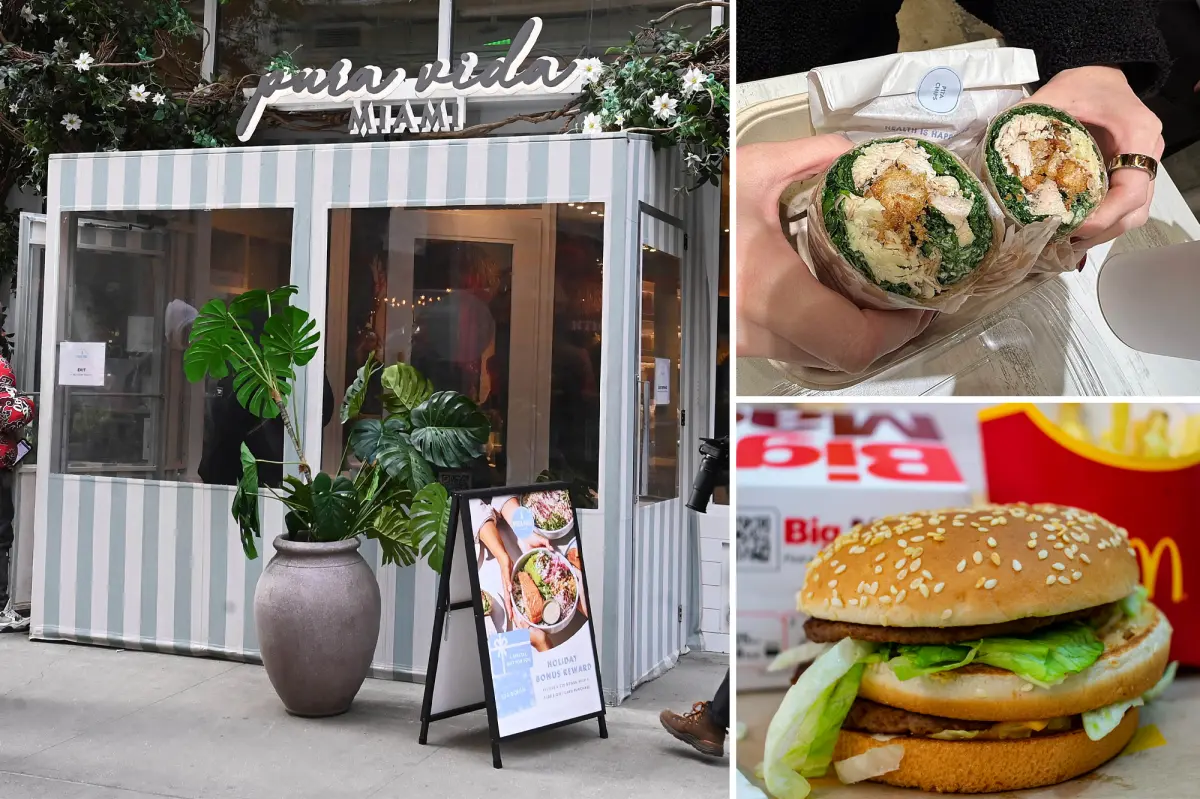
Pura Vida Miami, a trendy wellness brand that recently expanded to New York City with six new locations, is facing significant criticism after customers discovered the surprisingly high sodium and fat content in many of their popular menu items. Marketing itself as a “beacon of health-conscious living” with the motto “Where health is happiness,” the brand has cultivated a devoted following among health-conscious consumers willing to pay premium prices—$30 for a herb salad with salmon, $26 for a spicy tuna bowl, and $14 for “superfood smoothies.” The upscale chain’s aesthetic appeal, characterized by boho beach vibes and lush greenery, has contributed to its Instagram-worthy popularity since founders Omer and Jennifer Horev launched their first South Beach location in 2012. However, the recent revelation of nutrition information has left many loyal customers feeling betrayed and questioning their dietary choices.
The nutrition facts have proven particularly shocking when compared to fast food options that are typically considered unhealthy. For instance, Pura Vida’s $19 tuna sprout sandwich contains a staggering 145 grams of fat and nearly 3,000 mg of sodium—far exceeding the nutritional impact of a McDonald’s Big Mac, which contains 34 grams of fat and 1,060 mg of sodium. Other popular items show similarly concerning numbers: the Kale Chicken Caesar wrap contains 93 grams of fat and 1,350 calories, while the Perfect Egg Sandwich packs 3,160 mg of sodium. These values dramatically exceed health recommendations from organizations like the American Heart Association, which suggests adults consume no more than 2,300 mg of sodium daily (ideally targeting 1,500 mg), and the Mayo Clinic, which recommends a daily fat intake between 44 and 78 grams based on a 2,000-calorie diet. The revelation has been particularly jarring for customers who specifically chose Pura Vida for what they believed were health-conscious meals.
The emotional response from loyal customers has been intense, with many expressing feelings of betrayal and disillusionment. Food influencer Audrey Jongens from The VIP List, who had eagerly anticipated Pura Vida’s NYC expansion, dramatically stated that the revelation “destroyed my entire life,” adding that she felt more upset about this discovery than when her “ex cheated on me.” This sentiment was echoed by other regular patrons who had built their dining habits around what they believed were nutritious choices. One body-conscious customer called the nutritional values “astronomical,” describing the Jen’s Herb salad with its 46 grams of fat as “a Big Mac in arugula’s clothing” and jokingly referring to the brand as “Pura Morta” (pure death) instead of Pura Vida (pure life). The disconnect between the brand’s health-forward image and the actual nutritional content of its offerings has created a crisis of trust for many in its customer base.
Despite their shock and disappointment, many customers admitted they would likely continue patronizing the establishment, highlighting the powerful hold the brand’s image has on its clientele. NYC marketing specialist Racine Levy acknowledged feeling that she’d “gotten fat” from regularly eating at Pura Vida despite its health-conscious reputation, noting that the food “always felt very salted up.” Nevertheless, she conceded, “I’m still going to go.” Another customer, Jillian Bamberger from Tribeca, who describes herself as “obsessed” with the chain, regularly enjoys their PB Lover acai bowl despite its 62 grams of sugar—more than double the recommended daily sugar intake for women. This cognitive dissonance seems common among Pura Vida patrons, who continue to be drawn in by the brand’s aesthetic appeal and social cachet despite newfound nutritional concerns. As one customer put it, “It’s great for the Instagram story, but is it good for my gut? I feel like I’m shelling out a small fortune to get fat.”
Health experts caution that the high sodium and fat content could have serious implications for regular consumers, particularly those with existing health concerns. NYU registered dietician Lisa Young warned that assuming every item on a “healthy” restaurant’s menu is actually nutritious “can get you in trouble.” She specifically noted the dangers for people with hypertension, for whom “regular consumption can become dangerous over time.” The situation highlights a broader issue in the wellness-focused dining industry, where marketing and perception can dramatically diverge from nutritional reality. The Pura Vida controversy serves as a reminder for consumers to remain vigilant about nutritional information even at establishments that project a health-conscious image.
The Pura Vida situation exemplifies the complex relationship modern consumers have with food, health branding, and social media. The establishment successfully created an aspirational lifestyle brand that customers were eager to associate with—paying premium prices for the privilege—only to discover that the nutritional reality didn’t align with the carefully cultivated image. While The Post reached out to Pura Vida for comment, the controversy raises important questions about transparency in the wellness industry and the responsibility of brands to deliver on their health-focused promises. For now, many customers appear caught in a paradox: continuing to visit an establishment that contradicts their health goals because of its powerful brand identity and social currency. As one disheartened customer summarized the predicament: “Part of the appeal is that you think it’s healthy. It gives off such healthy vibes.” The story serves as a cautionary tale about the potential gap between wellness branding and nutritional reality in today’s image-conscious food landscape.