


NAVIGATING THE EXCLUSIONARY WORLD OF MOM GROUPS
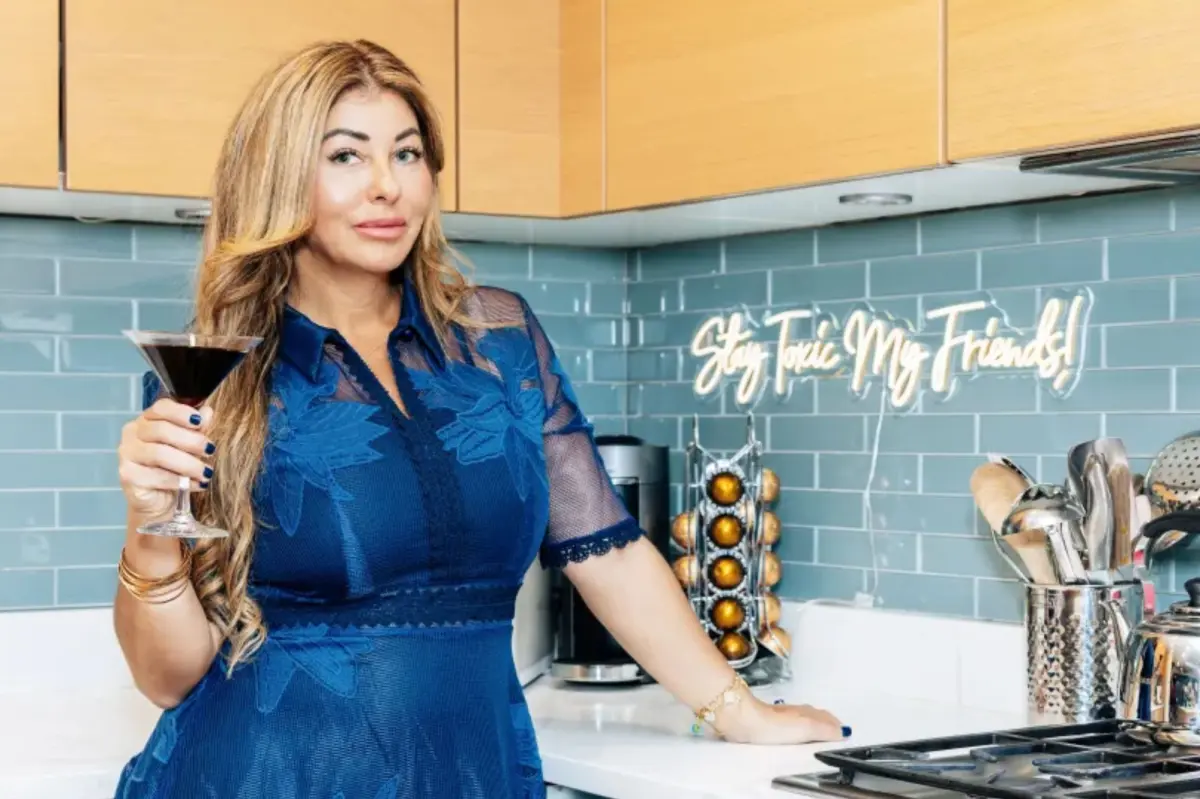
In the heart of Manhattan’s upscale social scene, Izzy Anaya finds herself perpetually on the outside looking in. Despite being the mother of twin fifth-grade boys attending one of New York City’s most prestigious schools, she’s consistently excluded from the tight-knit circle of other mothers who enjoy lavish girls’ nights out at exclusive venues like Zero Bond and host annual extravagant Super Bowl parties. “I see all the fun they’re having on social media, and it’s hurtful when you’re not included,” confesses the 46-year-old lifestyle content creator. At school events where all parents gather, these mothers “avoid me like the plague.” The reason for her exclusion isn’t due to any social awkwardness or attempt to challenge the group’s “Queen Bee” – a thin, blonde, Lululemon-wearing Pilates enthusiast. Rather, Anaya believes her cardinal sin is simply not owning a vacation home in the Hamptons. Despite having four homes worldwide with her business mogul husband, the absence of a property on Long Island’s coveted shoreline has apparently rendered her a social outcast. “It’s like, just because I don’t have blonde hair and a Hamptons house, I can’t hang out with you guys,” she laments. “We’re not in high school anymore. We don’t need to continue this kind of behavior. We’re all grown women.”
The phenomenon of exclusionary mom groups extends well beyond Anaya’s experience. Actress Ashley Tisdale recently exposed this culture in a January essay for the Cut, describing her inexplicable excommunication from a VIP mom group that included celebrities like Mandy Moore and Hilary Duff. “Maybe I’m not cool enough?” Tisdale wondered, adding that she suddenly felt “in high school again, feeling totally lost as to what I was doing ‘wrong’ to be left out.” Anaya has identified several potential reasons for her own exclusion: beyond her Hamptons aversion, she refuses to send her 11-year-old sons to the same expensive sleepaway camp favored by the group, preferring instead to expose them to international travel and different cultures. She also permits her children screen time – apparently a major transgression among the inner circle. A text messaging mistake sealed her fate when she accidentally sent a message meant for a friend to the entire mom group chat, writing “Oh my God, these people are so old [school]” in response to their anti-technology stance. This digital slip-up appears to have solidified the group’s decision to permanently freeze her out.
The social ostracism extends beyond the mothers to impact their children as well. “My kids have been alienated,” Anaya reveals. “The moms host play dates, parties and sleepovers, but my kids aren’t invited because we’re not friends. It’s heartbreaking.” In response, she’s focused on building a more inclusive community for herself and her sons by reconnecting with old friends who have similarly-aged children, befriending parents from her children’s sports teams, and maintaining relationships with international friends. “We’re good without the cliquey toxicity,” she affirms. Amber Marlow, a married mother of two living in New York’s Hudson Valley, shares comparable experiences of being ejected from multiple mom groups, both online and in-person, due to her distinctive parenting approach. As a self-described “strict gentle parent” – an unusual blend of traditional and progressive child-rearing philosophies – Marlow first encountered maternal group politics on Facebook when she expressed disapproval of another mother’s decision to spank her 20-month-old infant. Despite carefully wording her concern, stating she found hitting a baby “borderline abusive,” she was promptly removed from the group for voicing her opinion.
Marlow’s in-person experiences haven’t been much better. “My family gets excluded from play dates and parties because my daughter is neurodivergent,” explains the 43-year-old wedding photographer. “She processes things differently, and the other kids and moms at school don’t really embrace us.” Just last month, they were excluded from a neighborhood “Snow Day” party, further souring her perspective on mom groups altogether. New Jersey parent Dominique Devizio shares similar disillusionment after a troubling experience in her local Facebook mom group. After her home was targeted by a package thief – an incident she captured on camera – Devizio reached out to the group seeking support and information. “I wrote to the group, ‘Hey, has anyone seen this individual? He’s in our area. I’m scared. I’m a stay-at-home mom and severely postpartum. I don’t feel safe,'” recounts the 31-year-old podcaster and events director. Rather than receiving compassion, she was bombarded with accusations of racism and blame for the theft. “These women, these mothers, began attacking me, saying ‘You’re a racist,’ ‘This is your fault,’ ‘You left your packages outside,'” she recalls of the relentless criticism.
This unexpected backlash left Devizio without a supportive parenting community but provided valuable perspective on the reality behind seemingly ideal mom groups. “Of course you can look at the group you were in, or similar groups you think you’d want to be part of, and feel [a sense of] jealousy because it looks like a great time and a safe space,” she reflects. “But once you’re in it, you’re like, ‘Crap, there’s some real toxicity here.'” For Devizio, this experience reinforced her decision to maintain a small circle of trusted friends and family rather than seeking broader social connections through mom groups. “Having this big network of local mom ‘friends’ just isn’t for me,” she concludes. “Less is more.” The stories of Anaya, Marlow, and Devizio highlight a troubling reality beneath the polished veneer of modern mom culture – that despite the supposed maturity that comes with parenthood, exclusionary cliques and high-school-like behavior persist among adults, leaving many mothers and their children isolated when they need community the most. Their experiences suggest that authentic connections based on mutual respect may be more valuable than membership in socially prestigious but potentially toxic parenting circles.
These women’s stories reflect a broader cultural phenomenon where parenting choices have become social currency in certain circles, used to establish hierarchies and enforce conformity. From vacation homes to disciplinary philosophies, screen time policies to summer camp selections, mothers find themselves navigated complex social landscapes where one misstep can lead to ostracism. Perhaps most concerning is how these adult conflicts impact children, who find themselves excluded from social opportunities through no fault of their own. Yet amid these challenges, there’s also resilience – women like Anaya, Marlow, and Devizio have found ways to create meaningful communities outside these exclusionary structures, prioritizing authentic connections over social status. Their experiences suggest that while the desire for belonging remains universal, the path to finding it may require looking beyond conventional social groupings to build supportive networks that value diversity in parenting approaches, living circumstances, and family needs.