





Paragraph 1
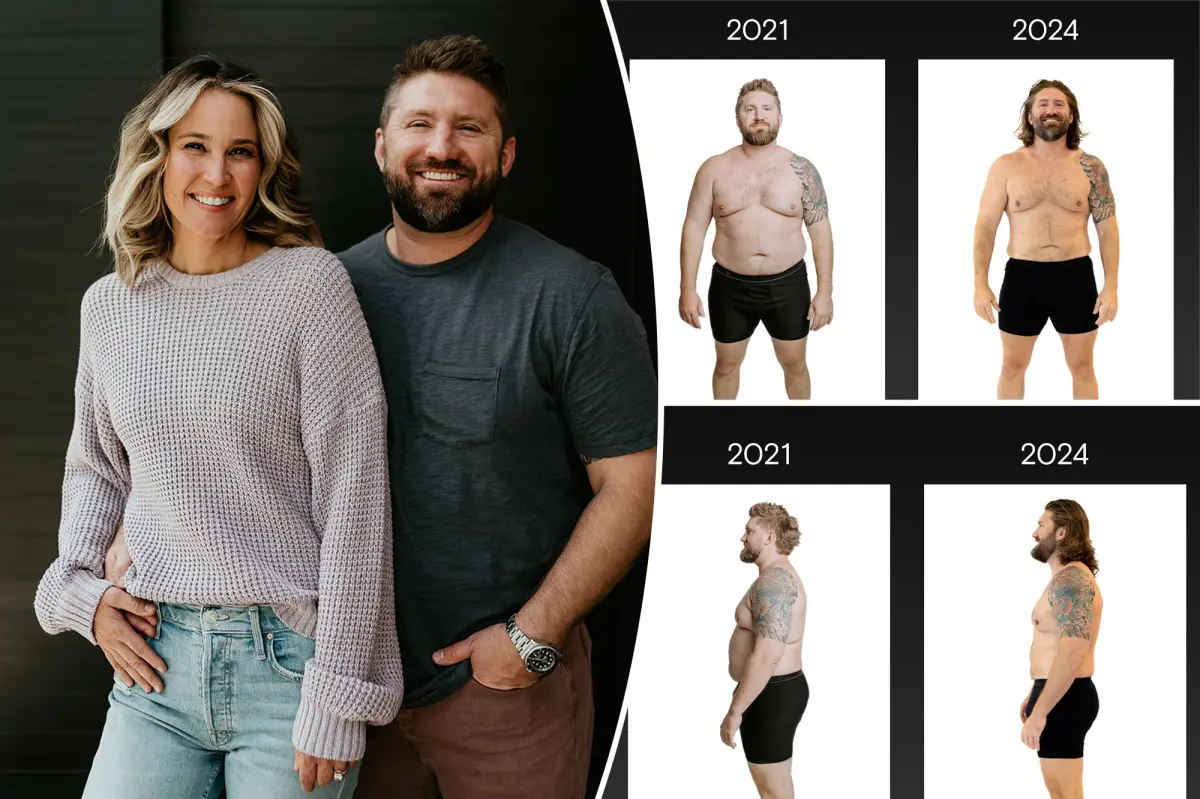
Imagine you’re Josh Whalen, a vibrant guy in his mid-30s who used to thrive on the rugby field, his body a testament to weeks of intense training and youthful energy. But life took its toll as he juggled entrepreneurship, raising two kids, and the everyday grind. What started as subtle changes—a softening around the midsection, the dreaded “dad bod”—felt like an inevitable part of aging. He brushed off the fatigue that hit him like a wall, telling himself it was just work stress or the chaos of parenting. His sex drive dwindled to almost nothing, but hey, wasn’t that also a sign of getting older? Josh didn’t think twice about it; he was content coasting, sipping beers on the couch, not hitting the gym like he used to. Looking back, it was easy to dismiss these red flags because, let’s face it, society paints weight gain in your 30s as “middle-aged spread”—a harmless rite of passage. For Josh, his once-athletic frame had ballooned by about 55 pounds, but he convinced himself it was fine. He wasn’t motivated to change, attributing everything to life’s pressures. It’s a story many men can relate to, where we’re taught to power through, to be the stoic provider, ignoring whispers from our bodies that something’s off. Josh’s complacency is painfully human; it’s that moment when you stop questioning why you feel so drained, so unlike your old self. His wife, Katie, saw it differently. In a heartfelt talk that must’ve felt like a gut punch, she sat him down and said if he didn’t change, she might walk away. It wasn’t a threat born of cruelty but of deep frustration and fear—what if this weight, this lethargy, was killing their spark? Her words pierced through his denial, forcing him to confront the discomfort head-on. Ah, the power of love and honesty in shaking us out of our complacency.
Paragraph 2
With Katie’s ultimatum echoing in his ears, Josh embarked on a frustrating quest for answers. He visited primary care doctors, internists, even sex therapists and a marriage counselor. Each one painted a picture of “normal” aging, assuring him that plummeting energy, vanishing libido, and the strain on his marriage were just par for the course as he hit the 30s. It felt like gaslighting, you know? Here he was, feeling like a shadow of his former self, and these professionals shrugged it off, never once suggesting a simple blood test to check his hormones. He questioned if “normal” was even worth striving for—if this was how life deteriorated, what was the point? It was disheartening, especially since his symptoms weren’t isolated; the weight gain compounded the fatigue, and intimacy issues made Katie wonder if she was the problem. “Do you still find me attractive?” she asked, her voice tinged with insecurity. Josh had no answer because he barely recognized himself. The emotional toll was immense—arguments over nothing, a growing distance that threatened to unravel their bond. Yet, through it all, Katie’s push encapsulated real partnership: in a world where men are expected to soldier on, she demanded he face reality. It’s a reminder that sometimes, the people who love us see our struggles before we do, nudging us toward healing. Josh’s journey through these appointments highlighted a broader issue: healthcare often overlooks men’s hormonal health, chalking up symptoms to lifestyle or masculinity norms. He pushed forward, determined not to lose his family over something dismissible as “just getting older.” That desperation drove him to an “optimization guru,” a step outside conventional medicine, where he finally got the clarity he needed.
Paragraph 3
As a last-ditch effort to salvage his marriage, Josh sought out this savvy specialist who dove deep into his bloodwork and history. The results? Testosterone levels in the low 200s, akin to a man in his 70s—far below the normal range of 300 to 1,000 nanograms per deciliter. Low T, or testosterone deficiency, was the culprit behind his dad bod, crushing fatigue, and non-existent libido. It was a wake-up call that this wasn’t aging; it was a steeper decline, possibly accelerated by his weight and lifestyle. Testosterone, that mighty hormone, fuels so much: energy, muscle, drive, even mood. After 30, it naturally dips about 1% a year—enter andropause, the male equivalent of menopause—but for some, it’s a sharper fall, hitting 30-40% of men by their 40s or 50s. Chronic issues like obesity can fast-track it, creating a vicious cycle where low T leads to more fat, which converts testosterone to estrogen via an enzyme called aromatase. For Josh, finally understanding this biological betrayal was liberating. He thought testosterone replacement therapy (TRT) was for old guys with erectile issues, not a former athlete like him. But there he was, symptoms screaming: weight gain, zero energy, brain fog, no erections—not hyperbole, but his reality. Getting diagnosed flipped the script; it wasn’t personal failings but a treatable condition. He credits that revelation with saving his marriage, proving hormones aren’t just buzzwords but keys to vibrant living. In sharing his story, Josh emphasizes that men often ignore such signals, buried under societal expectations to “tough it out.” It’s human to deflect blame, but acknowledging bodily changes empowers us to reclaim vitality.
Paragraph 4
Low testosterone manifests in ways that sneak up on you, often mistaken for run-of-the-mill woes. Experts like urologist Dr. Bobby Najari highlight that a softening physique—”dad bod”—could signal trouble, as excess fat disrupts hormone balance. But the clearest signs target sexual health: dwindling desire, erectile dysfunction, trouble climaxing. Then there’s the fog of fatigue, mood swings that zap joy, even motivation. For Josh, these weren’t abstract; they eroded his confidence, making intimacy feel like a chore. A simple blood test can confirm it, but doctors often miss it amid busy practices. If you’re nodding along, feeling defeated, know you’re not alone—millions experience this. Obesity ramps up the risk, so addressing weight becomes priority one, potentially normalizing hormones without meds. Still, for those with persistently low levels, TRT might be necessary to avert bigger woes like brittle bones. It’s not without caveats, though; TRT can suppress natural testosterone production, hitting fertility hard. For family planners, alternatives like ornithine citrate, anastrozole, or hCG preserve that option. Weighing pros and cons feels daunting, but informed choices lead to balance. Josh’s experience underscores relatability: we’re all susceptible, yet help is accessible. Redefining masculinity means ditching stoicism for self-care—checking hormones isn’t weakness; it’s wisdom. Imagine the relief of pinpointing fatigue to low T, not “laziness.” These symptoms are whispers begging attention, and heeding them restores wholeness. It’s a call to empathy, for ourselves and partners who endure the sidelines. Hormone health isn’t niche; it’s everyday empowerment.
Paragraph 5
Starting TRT transformed Josh overnight—from zero to hero, as he puts it. Within two months, energy surged; the gym welcomed him back, sleep deepened, brain fog cleared, and those elusive morning erections returned like old friends. He shed the weight, regained motivation, and felt anew. “It gave me a cheat code for life,” he laughs, now injecting subcutaneously biweekly, levels hovering 900-1100 ng/dL. His metamorphosis inspired many; a 2025 survey of TRT users echoed his tale, with 65% reporting boundless energy, 54% heightened focus-confidence, 49% mental boosts, and three-quarters affirming better patience with family. Yet, timelines vary—some see changes swiftly, others gradually. Whalen stresses inevitability: andropause hits eventually, but deciding on intervention is personal. Skeptics beware: side effects exist, like fertility dips or testicle shutdown, but monitored, benefits outweigh risks for many. His journey humanizes the struggle; from relationship strain to renewal, it’s proof hormones knit families together. He shares clients’ stories—marriages revived after months without intimacy, partners rediscovering attraction once T levels stabilize. “Hormones save marriages,” he declares, his own a testament. This isn’t just medical; it’s emotional healing. Imagine reigniting passion mid-life, turning “I couldn’t stand that” to “I like the guy again.” TRT’s ripple effects empower fathers, husbands, athletes to thrive. Josh’s path counters myths: it’s not vanity but vitality. Embracing treatment means confronting stigma, but gains are priceless. For guys like him, it’s a blueprint—a reminder life’s chapters aren’t fixed.
Paragraph 6
Josh’s odyssey transcends personal wins; it challenges age-old norms around masculinity. Raised to “tough it out,” he buries symptoms, but openness saves. “We need to redefine masculinity as honest and vulnerable,” he urges. His business, Joi + Blokes, a telemedicine platform, democratizes hormone testing for men and women, connecting users with specialists sans stigma. Inspired by near-loss, it’s a lifeline: accessible care for low T or its counterparts, therapy guiding clients through TRT or alternatives. Clients’ transformations mirror Josh’s—revived libidos, mended bonds, newfound purpose. One woman shared, “I actually like my husband now,” highlighting hormones’ role in empathy. In 6,000+ consultations, they’ve seen marriages thrive, sex lives reignite. Yet, Josh acknowledges hurdles: societal dismissal of hormonal issues, men’s reluctance to seek help. His message? Prioritize health for loved ones—exercise, sleep, diet sustain benefits. Hormone testing isn’t elusive; it’s empowering. As a father-entrepreneur, he advocates change: resilience means embracing body’s signals. Low T isn’t a death sentence but a pivot point. Redefining manhood leads to authentic lives—energetic, engaged, intimate. Josh’s story, humanized, inspires: from dad bod blues to vibrant renewal. We’re not robots; vulnerabilities forge strength. Check hormones, live fuller—his legacy births hope. In a world rushing by, pausing for wellness heals holistically. For Katie and Josh, love nudged action; for others, it’s a call to connect. Embracing hormones humanizes us, bridging divides, reigniting sparks. That’s the real cheat code.