





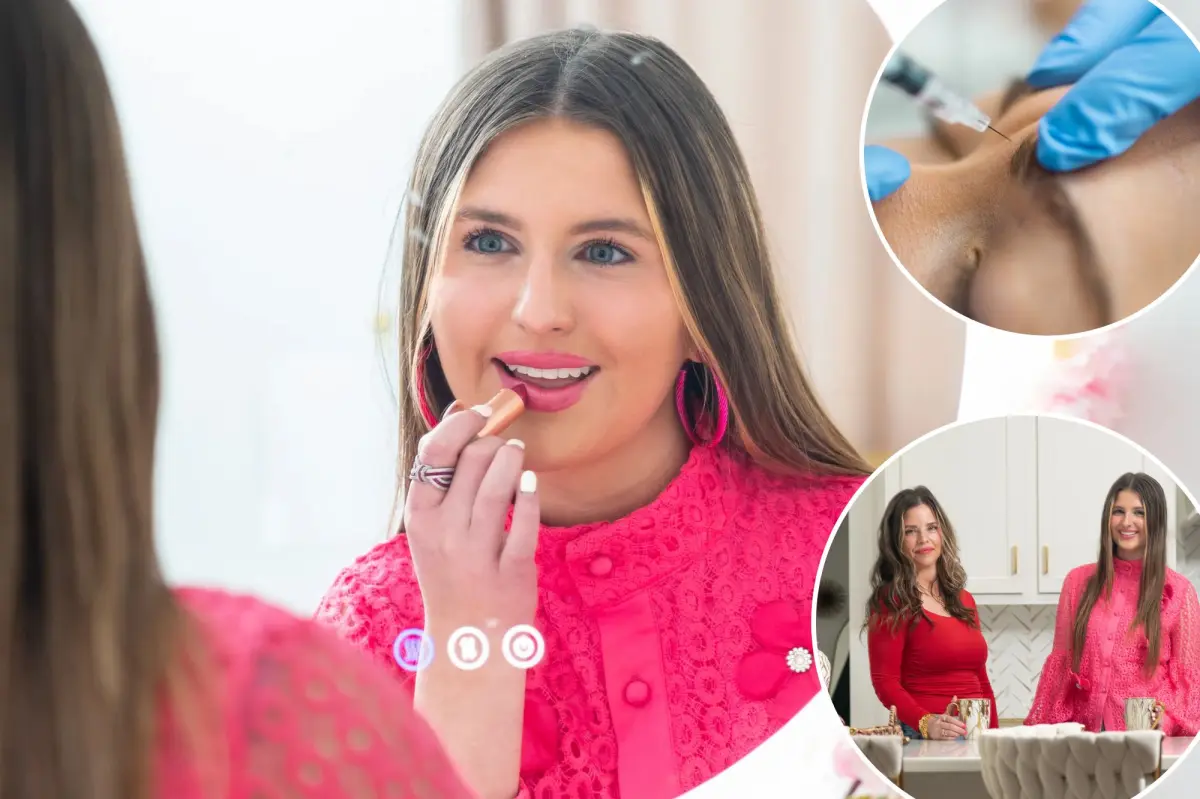
Jazlyn Miller was just 16 when she felt that sharp pinch on her skin, not the terrifying ordeal her imagination had conjured up, but a quick sting that her mom had assured her was nothing to dread. Living in Fayette, Alabama, Jazlyn had been battling chronic jaw pain, so when her esthetician suggested Botox injections to relax those muscles, it seemed like a practical solution rather than a vanity project. The treatment worked wonders; her pain eased, and Jazlyn felt empowered, like she’d unlocked a piece of adulthood. But this was no ordinary confidence boost—it sparked conversations that rippled through her community, turning her decision into a hot topic at her junior high school. Classmates whispered, parents raised eyebrows, and social media buzzed with opinions. Her mother, Jessica, bore the brunt of the judgment, with other moms calling her out for letting a teenager dabble in something so “grown-up.” Yet, for Jazlyn and Jessica, it was about more than looks; it was about healing hurts and boosting self-esteem in a world that constantly scrutinizes young faces.
As Jazlyn’s story spread, it became clear she wasn’t alone in this cosmetic revolution. Social platforms like TikTok and Instagram are flooded with videos from teens and young adults raving about “preventative” Botox, injecting with the hope of staving off wrinkles before they even form. Doctors note a surge in young clients, attributing it to a shift in how beauty is viewed—less about hiding aging and more about prepping for it amid the filtered perfection of digital life. Jazlyn herself admits it was the spark; after her jaw treatment, she eyed those faint lines around her eyes and brow, born from her expressive personality, and decided to “go all in.” She dreamed of looking effortlessly youthful at 30, unmarred by the subtle marks of time. Providers like Dr. Claudia Kim emphasize that social media has amplified fears of looking “old,” pushing kids to opt for neuromodulators that pause muscle contractions and smooth skin early. It’s not vanity, per se, but a proactive stance against society’s harsh lens on aging, where a single line can feel like a verdict.
But delving into the science reveals a mix of promise and unknowns. Experts like Dr. Douglas Monasebian explain that wrinkles deepen over years of facial movements—smiling, frowning—that tug at the skin, leaving lasting creases. Botox, by blocking nerve signals and limiting contractions, can prevent those deep grooves from setting in. Imagine starting young, in your 20s or 30s, and letting those muscles rest; theoretically, your face could retain a smoother canvas as decades pass. Studies show mixed results—some suggest it slows signs of aging, others claim negligible long-term impact—but with “baby Botox” using smaller doses, young people might achieve a natural dewy glow without overdoing it. For Jazlyn, spotting those early “crow’s feet” was her wake-up call. She wasn’t chasing perfection; she wanted to feel secure in her skin, much like slathering on moisturizer to ward off dry spells.
Still, the excitement comes with caveats that weigh heavily on the medical community and families alike. Jazlyn’s first cosmetic session cost $275, involving careful injections around her eyes, but that’s just the tip of the iceberg. Each treatment lasts three to four months, and maintaining it could mean thousands over a lifetime. Risks aren’t negligible: swelling, bruising, or even rare complications like unintended toxin spread. Long-term, repeated use might weaken facial muscles, leading to atrophy or reduced expressions, and some develop resistance, rendering Botox ineffective down the line. Providers hesitate with minors, as FDA approval starts at 18, though parental consent can bend rules. Dr. Kim worries about how early starts might tweak self-image, especially for sensitive teens navigating identity. Monasebian echoes this, advising against shooting before adulthood, urging a “wait and see” approach until individuals can decide independently.
Jessica, a fellow esthetician, backed Jazlyn’s choice with maternal love; she saw her daughter insecure and wanted to nurture her confidence, even if it meant facing backlash from a community quick to critique. The esthetician had second thoughts at first, peppering Jazlyn with questions like “Are you sure?” reminding her of botched procedures she’d seen on TikTok. But Jazlyn, informed and resilient, compared the risks to everyday ones—like driving a car. Post-treatment, she radiated, describing a natural glow that boosted her spirit. Now, at 18 and heading to college, she continues the routine, viewing it as self-care akin to makeup or a spa day. It’s not an addiction, she insists, but a ritual that makes her feel better on tough days.
In the end, Jazlyn’s journey highlights a broader cultural moment where youth chase preventative beauty, challenging norms about when it’s “too young” for such tweaks. Experts remain optimistic about benefits like prolonged smoothness but caution patience and moderation. For Jazlyn, it’s simple: confidence in the mirror, free from judgment, letting her shine as she heads into adulthood. Her story, once a town gossip, now inspires discussions on autonomy, where deciding your own beauty feels as natural as breathing.