





The Hidden Reality of New York City’s Christmas Tree Business
In the heart of New York City, where the holiday season transforms concrete corners into festive wonderlands, a secret business saga unfolds each year. What appears to passersby as a simple, jolly enterprise of selling Christmas trees is actually a complex industry built on risk, debt, and fierce competition. The charming sidewalk vendors who help New Yorkers celebrate the holidays operate in a world that few customers ever glimpse – one where sellers routinely go more than $400,000 into debt to purchase their inventory, protect closely-guarded supplier relationships, and race against an impossibly short selling season. These “Merchants of Joy,” as they’re called in a new Amazon Prime documentary by filmmaker Celia Aniskovich, work in a surprisingly cutthroat business where making a profit is never guaranteed, regardless of how many premium trees they sell for hundreds of dollars each.
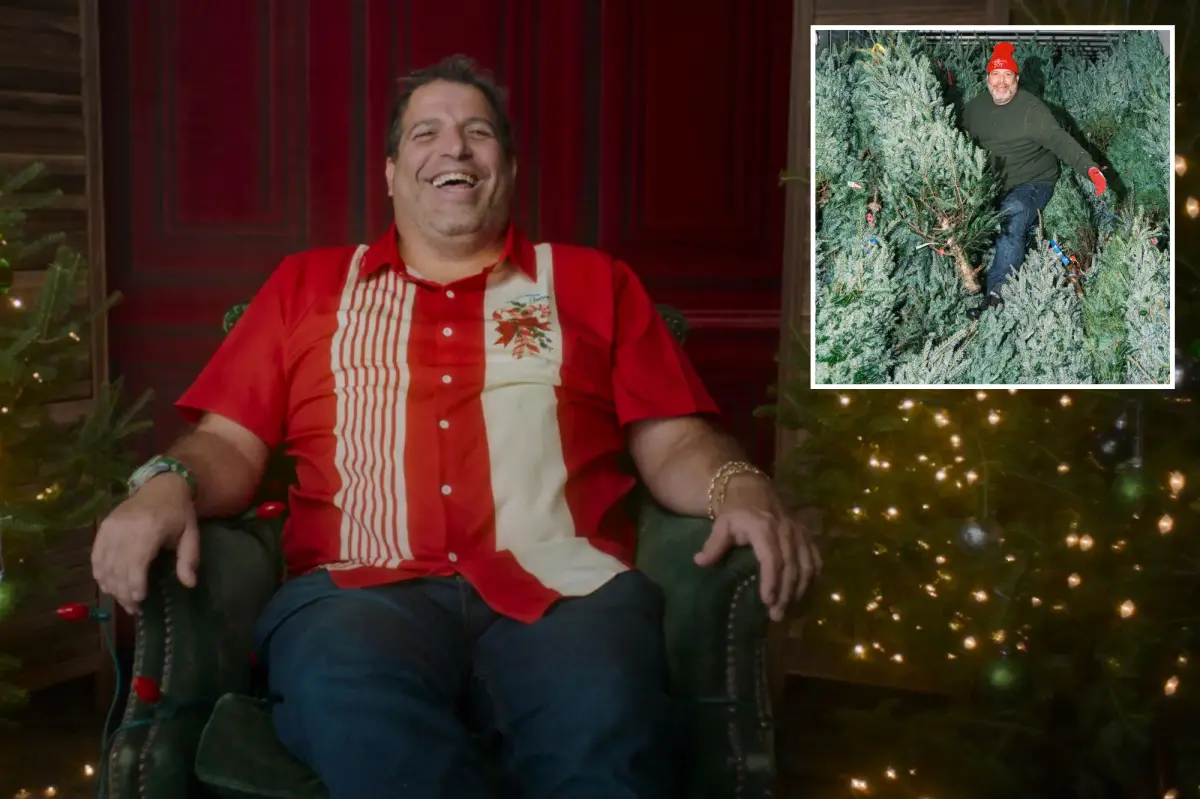
The Christmas tree industry in New York City is dominated by five major families who have made this seasonal hustle their life’s work. There’s George Smith of NYC Tree Shop, who entered the business at just 12 years old after his bike was stolen and he sought help at a nearby tree stand; George Nash, Jane Waterman, and Ciree Nash of Uptown Christmas Trees; Heather Neville, known as the NYC Tree Lady; “Little” Greg Walsh, who at 22 is carrying on his father’s legacy at Greg’s Trees; and Kevin Hammer of Evergreen East Trees, a veteran with nearly five decades in the business. These entrepreneurs, along with hundreds of smaller sellers who flock to the city each season, leave their homes behind for five intense weeks, often living out of cars or small shelters while working around the clock. The path to becoming a Christmas tree vendor typically comes through either family tradition or apprenticeship – nobody simply wakes up one day and decides to start selling trees on New York’s streets.
The logistics of the operation are daunting and largely invisible to customers. Each vendor must secure tree farms, which are often located in Oregon, Michigan, North Carolina, or Tennessee – supplier relationships they guard jealously from competitors. They participate in a high-stakes bidding process through the NYC Parks Department to win rights to sell at prime public locations, a system that generates both triumph and frustration when the results are announced. Once locations are secured, the vendors must hire reliable workers who can handle the demands of stands that operate 24/7. Some, like “Little” Greg Walsh, prefer to recruit outdoorsy types from places like Montana – people accustomed to rugged conditions who are drawn by the chance to stay in “prime real estate for free” while experiencing Christmas in New York. The business also has a shadowy history; when vendors like Nash first entered the trade decades ago, they discovered that mob-connected wholesalers had staked territorial claims, and those who unknowingly encroached faced consequences ranging from extortion to robbery.
What makes this business particularly precarious is its compressed timeline. Despite some eager customers calling as early as November 5th, the vast majority of Christmas tree shopping happens in a narrow window starting after Thanksgiving, with 60-70% of sales occurring by the second week of December. This pressure-cooker situation is further complicated by uncontrollable variables like inclement weather (no one wants to shop for a tree in the rain), economic downturns, or unexpected events like the 2005 transit strike that fell during prime selling days. Big-box stores like Home Depot add another layer of competition by flooding the market with trees, often at lower prices than the independent vendors can offer. George Smith sums up the challenge: “We deal with everything… We see it all firsthand because we’re on the front line.”
Despite the fierce competition among the “big five” families, there’s also a surprising camaraderie born of shared hardship and understanding. As Walsh explains, “If someone needs trees or someone needs a couple of [tree] stands, we call one another and help each other out,” recognizing that only fellow vendors truly comprehend the sacrifices and challenges inherent in the business. This solidarity exists alongside their rivalries, creating complex relationships that Aniskovich’s documentary captures with raw authenticity. Before filming, the director admitted she “had no idea how the tree business worked” but was immediately drawn to the vendors’ outsized personalities and passion. “When I met them, I was blown away,” she recalls. “They are authentically themselves… I thought, ‘God, this is just magic in a bottle, and I’ve got to find a way to capture it.'”
The Christmas tree business never truly ends – it merely shifts focus throughout the year. As Smith explains, “You never actually stop doing Christmas. It’s not like there’s a start to finish because when January comes, you’re getting ready for next year.” The documentary reveals the tremendous effort that goes into creating those magical holiday moments that many New Yorkers take for granted. For the vendors who transform “grimy NYC sidewalks into magical holiday outposts,” the work is both exhausting and rewarding. Despite all the challenges – the debt, the weather, the competition, the logistics, the sleepless nights – these merchants return year after year. As Walsh puts it with characteristic New York pride: “There’s a lot of competition in New York besides us. There are a lot of other guys that sell trees on corners and at delis. But it’s the greatest city in the world – wouldn’t want to be anywhere else.”