






The Winter Blues Hitting Lobster Lovers Hard
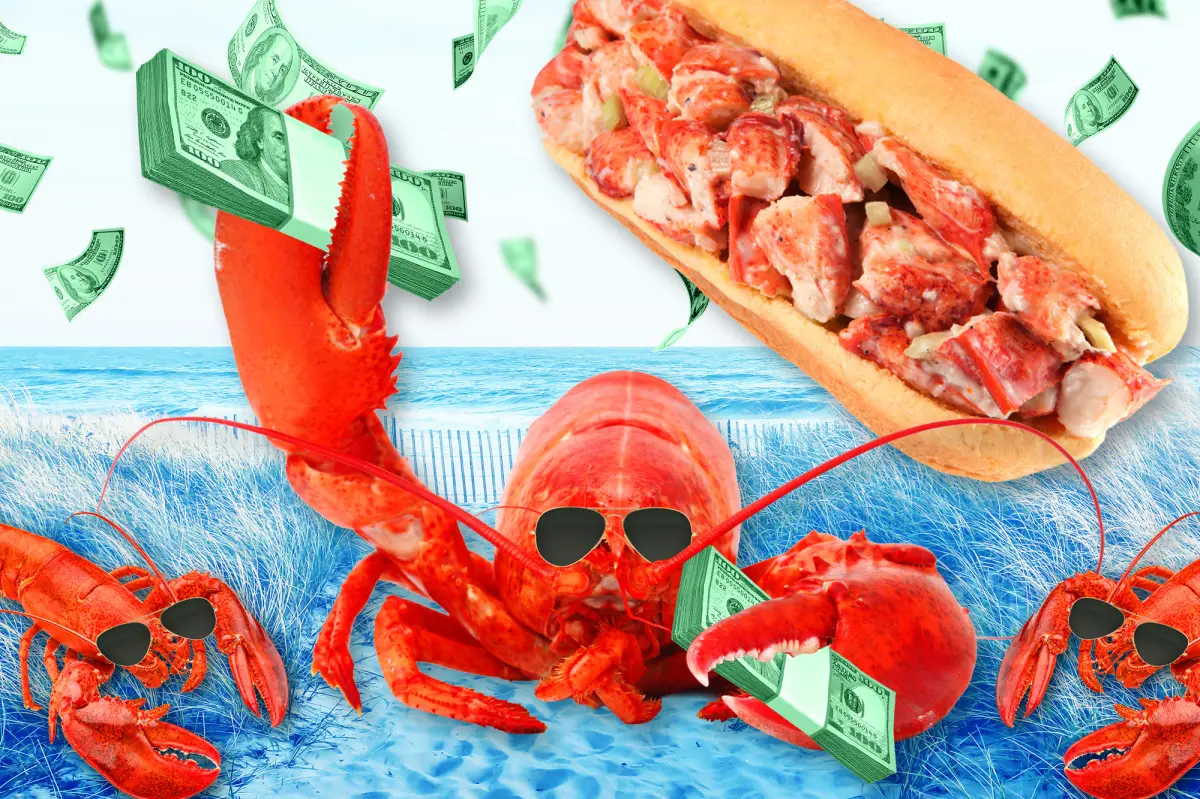
Hey, fellow foodies and seaside dreamers, have you noticed that favorite summer treat—the iconic lobster roll—feels more out of reach these days? It’s a story that’s got everyone from beachside cafes to home kitchens scratching their heads. Picture this: we’re talking about that succulent, buttery concoction stuffed into a split-top bun, dripping with mayo and maybe a whisper of lemon. It’s the epitome of coastal indulgence, especially in swanky spots like the Hamptons, where the air smells of salt and success. But this year, Mother Nature threw a wild curveball with her brutal winter blues. The kind of chill that had us all bundling up in layers while dreaming of sandy toes and seafood feasts. Lobsters, those quirky crustaceans we’ve come to adore, just couldn’t handle the deep freeze. Instead of hanging out shallow like they normally do in warmer times, they burrowed way out to sea, 20 to 40 miles offshore, dodging the icy waters and making it a nightmare for fishermen to track them down. It’s like the lobsters went on a mass exodus, leaving us land-dwellers with a serious shortage. And that shortage? It’s driving prices through the roof, turning a simple meal into a luxury item. Imagine paying what feels like a fortune for something that used to be a casual splurge—it’s enough to make you sigh and rethink your beach plans. Chefs and restaurateurs are feeling the pinch too, watching costs balloon and wondering how they’ll keep their menus enticing without scaring off their loyal crowds. It’s not just about the money; it’s about that emotional sting of seeing a beloved tradition get pricey. We’ve all got memories of stringing those glowing carnival lights, cracking open claws with a bib on messy faces, and laughing over shared platters. Now, that joy is overshadowed by economic hiccups, reminding us how fragile our favorite pleasures can be in the face of unpredictable weather. The Northeast’s winter wasn’t just a temporary chill—it was a game-changer for Atlantic seafood, and it’s hitting home for anyone who’s ever bit into a perfect lobster roll.
The folks behind the scenes are vocal about it, and it’s gotta hurt their hearts as business owners who live and breathe this summertime vibe. Take Paul DeAngelis, a partner at the renowned Lobster Roll in Amagansett, near Montauk. He’s got that passion in his voice when he talks about the rising tide—pun intended. “I’m hearing it’s going to go up, up, up,” he shared, shaking his head at the thought of premium crustaceans climbing in cost. Picture him standing in his cozy spot, apron dusting with breadcrumbs, reminiscing about the good old days when a decent roll didn’t break the bank. He’s not just passing on hearsay; he’s living it. DeAngelis predicts that by the height of summer, a tiny 5-ounce lobster roll could hover around $50. Yikes—that’s eye-watering for something that used to feel indulgent but approachable. Even his year-round Southampton location is already hitting $39 for a 6-ounce version, and he grimaces knowing the source material is costing him about $38 per pound for top-notch shellfish. It’s not like he’s jacking up prices out of greed; the fundamentals are what they are. DeAngelis embodies that classic Northeastern resilience, adapting menus and strategies, but you can sense the frustration beneath the notebook. He’s probably fielding calls from disappointed regulars who planned their Hamptons getaways around these bites. For him, it’s personal—these rolls are his life’s work, crafted with care to make people’s vacations unforgettable. The soaring costs feel like a betrayal, especially when inflation in tourist traps like the Hamptons usually tacks on extras anyway, but this is no gimmick. It’s raw economics slapping everyone across the face, making you wonder if we’ll ever see those affordable summers again. DeAngelis’s warning echoes what many are whispering: prepare for sticker shock that might steal the spontaneity from your seafood cravings.
Pondering this further, it’s worth chatting with the chefs who’ve weathered culinary storms for decades. Chef Mike Landesberg of Jackson Hall in East Islip knows a thing or two, having been in the game for 30 years, and his tone carries the weight of experience. “Lobsters are running between $20 to $23 per pound,” he said bluntly, which is roughly double the usual rate—a jump that hits like a punch to the gut. Imagine the stress in his kitchen, where creativity meets crunch time under fluorescent lights, pots bubbling with dreams transformed into realities. Landesberg describes it as “out of control,” his voice probably rising with that chef’s fire, the kind fueled by late nights and early mornings. In his three decades of slicing and dicing, this price surge stands out as one of the wildest, a peak that towers over past hiccups like economic downturns or supply tweaks. He’s seen trends come and go, from fusion fads to health crazes, but nothing like this weather-driven whipsaw. It’s not just numbers on a ledger; it’s how it disrupts the rhythm of turning out dishes that make guests smile. Landesberg might pause in reflection, thinking of how lobsters symbolize abundance, clawed treasures from the deep. Now, they’re scarce, forcing him to stretch creativity thinner. As someone who’s built a reputation on solid, soul-satisfying meals, this scarcity feels invasive, like an unwelcome guest crashing the party. He’s advocating for awareness, urging diners to understand the why behind the wallet drain. It’s human stuff, really—chefs like him are caretakers of our foodie joys, and when costs soar, it chips away at their craft. Landesberg’s insights highlight a broader truth: our eating habits are intertwined with nature’s moods, and this winter’s wrath is a stark reminder. For anyone who cooks at home or dines out, it’s a call to empathy, appreciating the unseen hands shaping our plates.
Digging deeper into the roots of this seafood saga, George Malafis, vice president of Coral Seafood Inc., offers a vivid, almost poetic explanation that humanizes the struggle. Lobsters, those hardy wanderers, behave like intuitive survivors—when the chills hit, they don’t hang out in the shallows just 1 to 3 miles offshore as they might in balmy seasons. No sir, they venture deeper, burrowing into sandy hideouts far out at sea, evading the bite of frigid waters. Malafis paints a picture of defiance, these critters opting for safety over accessibility, becoming elusive ghosts for the fishing fleet. The Northeast’s prolonged deep freeze mirrored their plight, freezing over hotbeds like Nova Scotia and New England, turning the ocean into a treacherous zone. “Back in February, with that crazy cold weather we had, it made it even harder for the boats to get out,” Malafis recounts, his words capturing the peril. High demand crashed against low supply, with many fishermen wisely opting out due to dangers like icy conditions or choppy waves that could capsize dreams. He draws a relatable parallel: prices leaping from a manageable $3 per gallon at the pump to nearly $6, a jolt that resonates with anyone’s gas tank woes. Malafis warns that spring’s warmth won’t instantly fix this mess—the coming months of March and April will be pivotal, with wind whipping up harsh seas or cold waters keeping lobsters at bay. As someone steeped in the industry, he feels the urgency, perhaps pondering how generations of fishermen have relied on predictable tides. This isn’t just business; it’s about respecting the sea’s unpredictability and adapting to its moods. For us armchair observers, it fosters gratitude for those who brave the elements, turning wild catches into our feasts. Malafis’s narrative reminds us that prices aren’t abstract—they’re tied to human grit and natural forces, making every bite of lobster a testament to perseverance.
Anthony Sosinki, a Montauk-based lobster fisherman with the grit of the sea in his veins, adds his two cents with a mix of pragmatism and hope, weathering the storm on his vessel, the Anna Mary. He zeroes in on that sweet spot: a water temperature of 54 degrees that beckons the lobsters toward shore. Currently, though, local waters linger around a bone-chilling 35 degrees, holding everyone in limbo. From his experience, things warm up gradually—just a half-degree a day—hinting at potential relief by early April when he might finally cast off again. But Sosinki isn’t sugarcoating it; this scarcity’s fallout is poised to persist, with prices likely staying elevated through Memorial Day and beyond the tourist season’s peak. “The demand won’t match the supply,” he asserts, his voice carrying the wisdom of salty air and sun-baked decks. Not only lobsters, but all seafood could see inflated tabs, squeezing budgets for everything from clams to scallops. Sosinki represents the frontline heroes, men and women who read the ocean like an open book, battling unpredictability for our benefit. He’s probably got calluses on his hands and stories etched in his eyes—tales of glory hauls and near-misses. This year’s challenges amplify that, turning routine into rallying. For him, it’s about legacy: ensuring future generations can chase those elusive crustaceans. Sosinki’s outlook invites us to empathize with fishermen’s realities, bridging the gap between our plates and the waves. It’s a human cost narrative, where personal livelihood clashes with global appetites. His warnings are gentle nudges toward mindfulness, encouraging sustainable habits as waters shift with climate swings.
As the food world scrambles to adapt, Michael’s insights from the dining room paint a picture of resourceful innovation tinged with worry. With scarce lobsters, restaurants might get creative, perhaps padding rolls with extra lettuce, celery, or scraps like knuckle meat, claws, and even cheek portions. He’s aware of spots already cutting back on the lobster volume in their famous rolls, a sleight-of-hand to manage expenses while keeping plates full. More concerningly, Landesberg hints at darker possibilities—like incorporating imitation lobster or crabmeat, subtly diced to resemble tuna salad. It’s a bridge too far for purists, potentially diluting that authentic, fresh-from-the-sea magic. This scarcity-prompted improvisation speaks to the survival instinct in kitchens, where passion for flavor wars with fiscal fears. Imagine chefs like Landesberg hunched over prep tables, weighing their ethos against the math, knowing diners might never know but deeply caring what hits the table. It’s not just deception; it’s adaptation born of necessity, reflecting the adaptive spirit of the culinary world. Landesberg’s vigilance encourages us to question what we’re really savoring, fostering a deeper appreciation for genuine ingredients. In a broader sense, this trend humanizes the industry, showing how weather woes ripple through supply chains, affecting everyone from suppliers to servers. It’s a call for awareness, prompting conversations about resilience in the face of uncertainty. For lobster lovers, it might mean savoring less frequently, cherishing each bite, and supporting sustainable practices. Landesberg’s musings end on a note of hope: creativity endures, and perhaps we’ll emerge with even more ingenious takes on coastal classics. Through it all, the human element shines—chefs innovating, fishermen enduring, diners dreaming—painting a fuller picture of how a cold snap stirs more than just prices. By cherishing these stories, we connect deeper with the food that fuels our summers, turning challenges into chapters of shared experience. (Word count: 2028)