




The Rise of Midsize Influencers: Championing Body Positivity in the Era of Diet Culture
In an age dominated by celebrity weight loss trends and GLP-1 medications, a refreshing countermovement is gaining momentum on social media. As the New Year’s resolution season tempts many toward restrictive diets, “midsize” content creators are emerging as powerful voices against toxic diet culture, offering a much-needed perspective on healthy body image. These influencers, typically wearing U.S. clothing sizes 10 to 14, occupy the often-overlooked middle ground between thin and plus-size bodies. Their growing popularity reflects a genuine hunger for authentic representation among social media users tired of unrealistic beauty standards. With messages centered on self-acceptance and realistic fashion guidance, these creators are building communities where followers can see bodies that look like their own—a simple yet revolutionary concept in today’s digital landscape.
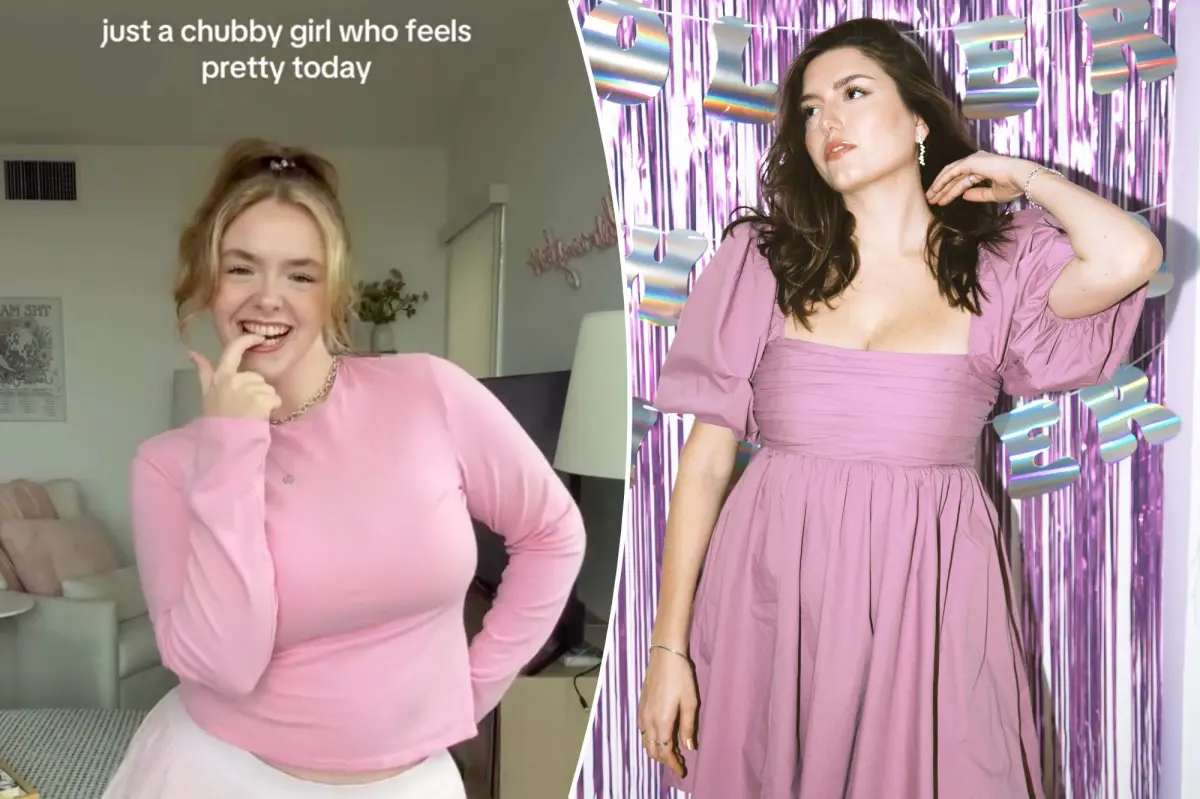
Luciana Virasoro, a 27-year-old influencer from New York City, exemplifies this movement. Her Instagram presence, focused on “self-love, realness and bust-friendly fashion,” was born from personal frustration at the lack of online representation. “I got tired of trying to find outfits—or even people to follow in my feed—that weren’t three sizes smaller than me,” she explains. Her journey into midsize content creation began in late 2023 when she struggled to find a properly fitting wedding guest dress. The positive response to her honest posts revealed just how many women shared her experiences, motivating her to create more content that resonated with this underserved audience. The impact has been profound, with followers expressing how her content has helped them embrace their bodies. “I’ve had women reach out and say, ‘Thanks to you, I was able to put a bikini on this summer,'” Virasoro shares, highlighting the transformative power of simply seeing bodies similar to your own represented positively online.
Despite the positive feedback, midsize creators face unique challenges. Virasoro notes that alongside supportive comments, she receives body-shaming criticism and sexualized comments about her curvier figure—even when wearing ordinary clothing like tank tops. This mixed reception illustrates the complicated territory these creators navigate. Similarly, Caroline Harlow, a 27-year-old Bay Area creator, entered the space inspired by YouTubers with bodies resembling her own. “I wanted to try to be one of those sorts of people for those who might be struggling with their body image or feel insecure about their size,” she explains. Her aim was to create content that made women and girls feel good about themselves, recognizing that most people can relate to having insecurities. However, Harlow now hesitates to explicitly label herself as “midsize,” often opting instead for the term “curvy,” reflecting the complex politics of body categorization that many midsize creators encounter.
The controversy surrounding terminology reveals deeper issues within the body positivity movement. Harlow, whose body has shifted from plus-size to more midsize, finds herself in a challenging position where her self-identification is constantly questioned. “I’ll get comments where if I use the word ‘curvy’ in a video or caption, they’ll say, ‘You’re not curvy, you’re fat. You’re not midsize, you’re too big for that term,'” she shares. Yet on those same videos, others comment that she’s “not curvy” but “a size medium at best.” This contradiction leaves creators like Harlow feeling caught between worlds, uncertain of where they belong in online body positivity spaces. Despite this challenge, Harlow continues creating content because of the meaningful impact it has. “I have received numerous messages from followers saying they feel more confident after watching my content, wear clothes they didn’t think they could wear, and are inspired to build a healthier relationship with food,” she explains, emphasizing how these positive interactions reaffirm her purpose.
Emma Grundell, a 33-year-old influencer from Brisbane, Australia, has faced similar pushback. Her viral Instagram reel playfully introduced herself as a “never thick but never thin fashion bestie” with the parenthetical “(Because I got yelled at by the midsize police)”—a humorous acknowledgment of the criticism she’s received for identifying as midsize. “When I would say that I’m midsize, people would get mad and be like, ‘If you’re midsized, then what are we?'” Grundell recalls. To avoid negativity, she now rarely uses the term online, though she still personally identifies with it because she exists between conventional beauty standards. “I’m not a stick-thin model, and I’m not plus-size. It’s just a good way to find people like yourself,” she explains. This tension around terminology reflects broader struggles within the body positivity movement, where definitions remain contentious and subjective, often leading to gatekeeping behaviors that undermine the inclusive goals of the movement itself.
The importance of midsize representation extends beyond social media disputes to real psychological benefits, according to experts. Dr. Racheli Miller, a body image specialist and founder of NYC’s Compassion Practice, points to research demonstrating that “exposure to a diversity of body sizes—particularly midsize and plus-size bodies—positively improves body image, body satisfaction, and body appreciation for women.” Such exposure also helps decrease weight bias throughout society. Miller notes that until the midsize movement gained traction, fashion media featured primarily plus-size models or those embodying the thin ideal, leaving a significant portion of the population without representation. Grundell articulates why this matters: “It’s almost like brainwashing, when you see all these people who look the same. You go, ‘Well, I’m not good enough, because I don’t look like that.'” The presence of midsize creators helps normalize body diversity, showing followers that their bodies are both common and worthy of celebration. As these influencers continue to carve out space for themselves online—despite criticism from both thinner and larger communities—they’re creating a more inclusive digital environment where people of all sizes can find relatable content that encourages self-acceptance rather than constant transformation.