


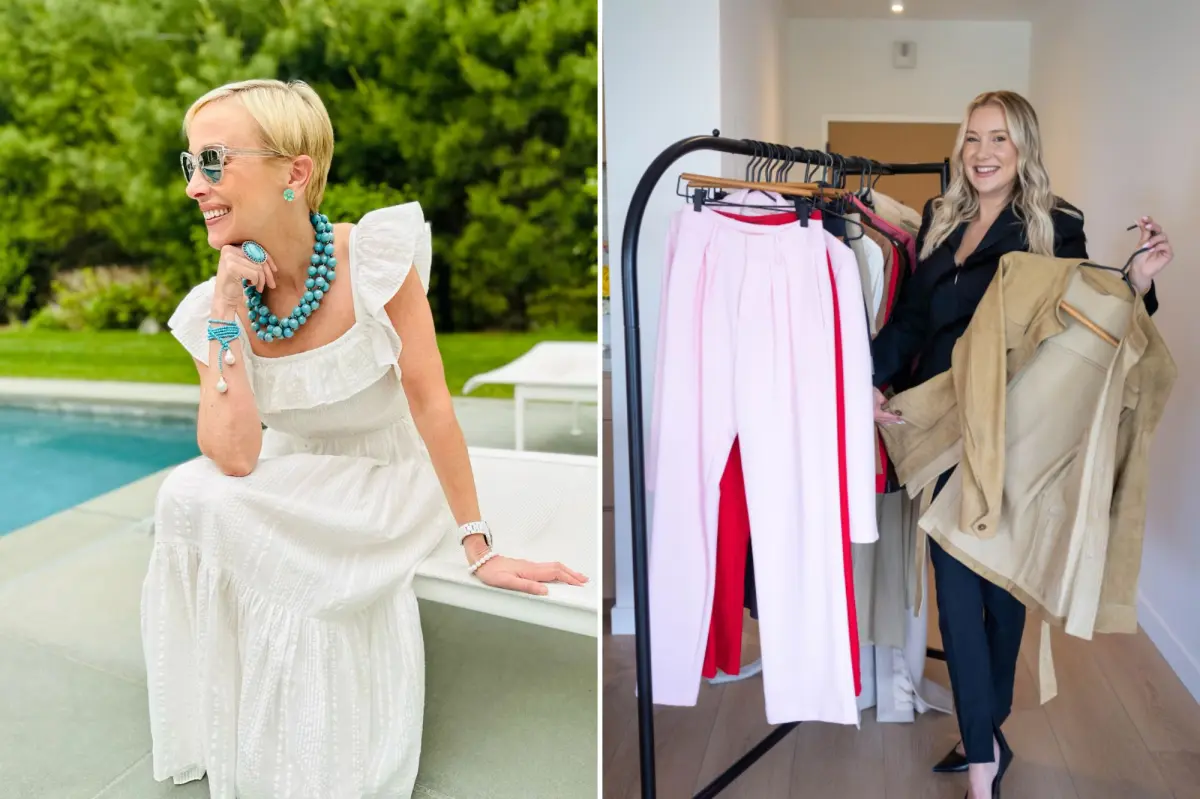
Imagine stepping into the glittering world of ultra-wealthy fashion enthusiasts—the VVIPs, or Very Very Important People—who treat high-end shopping like breathing. A few weeks back, personal shopper Gab Waller got a wild request from one such client, a well-off Californian woman in her 40s with pockets deep enough to make your head spin. She wanted screen grabs of every single dress from Chanel’s brand-new ready-to-wear line-up. “I want them all,” the client said casually, treating these coveted pieces like everyday essentials. Waller, a sourcing wizard known for digging up sold-out treasures from top designers, dove in without missing a beat. “It’s the time and convenience,” she shared in a chat with a journalist. The client didn’t set a strict deadline, but Waller recently snagged one gown in France for a cool $20,000—the ready-to-wear stuff is usually the priciest. With at least ten dresses on the list, the bill for just this season could easily soar over $200,000. It’s no surprise Chanel tops the charts for some of the world’s most expensive clothing right now. Picture these VVIPs as the real power players in fashion, not just buying items, but dictating trends with their eye-popping budgets. Waller’s client isn’t unique; die-hard fans are scrambling for Matthieu Blazy’s first-ever Chanel collection, with almost half of Waller’s requests coming from her top clients obsessed with the brand. “Chanel is dominating in every category,” Waller notes, with Celine being the only other label that comes close. But beyond the labels, it’s about the people—like the 40-something self-made businesswomen or those married into serious wealth, jet-setting with private planes, attending fashion weeks incognito, and often landing front-row seats thanks to their massive spending. These VVIPs crave privacy; they don’t flaunt on social media, yet their influence is undeniable, as they pull in invites from brands eager to keep them happy.
Yet, being a VVIP doesn’t guarantee direct designer access, even from the front row. As stylist Suzanne Saperstein explained to another fashion outlet, designers are stretched thin with countless commitments and don’t get deeply involved with individual clients. Still, personal shoppers like Waller and others bridge that gap, making the VVIP lifestyle effortless and exclusive. Stylists such as Lisa Frohlich, a Hamptons fixture, tailor their services to these demanding patrons. Many VVIPs aren’t loyal to houses but to specific designers, following them across brands like loyal fans. If a designer jumps ship, it can cost a label fortunes—hundreds of thousands or more in lost sales annually. Take Pieter Muller’s move from Alaia to Versace; Frohlich’s client, a prominent New York businesswoman in her 50s, suddenly ditched Alaia for his new gig. She once had Frohlich sourcing a steady supply of Alaia’s $3,000+ Hip bags—woven leather buckets that were gifts for houseguests. “She wouldn’t come to the store. I had to go to her house and drop them off, beautifully wrapped,” Frohlich recounted. In one summer, she bought ten just like that. It’s personal touches like this that keep the relationship thriving, turning shopping into a bespoke experience. Frohlich’s clients are all about The Row, the Olsen twins’ label that’s “driving the bus” now—pieces sell out fast, waitlists are the norm, even for a $12,000 trench coat. And then there’s Dolce & Gabbana, with its seasonal floral prints that VVIPs chase relentlessly. “If you don’t follow Dolce closely, you have no idea, but the VVIC wants to be in the latest print, nothing from three seasons past,” Frohlich said. She sold a dozen $1,800 cotton shift dresses in a weekend because of that fresh design—seen as a steal in Dolce’s world. These shoppers aren’t just buyers; they’re curators of desire, ensuring every fashion whim is fulfilled with warmth and discretion.
In Beverly Hills, there’s a personal shopper so influential she’s practically a legend, though she asked for anonymity to dodge any backlash from brands or clients. When Nordstrom lured her from Neiman Marcus, they gave her a namesake boutique in the heart of Beverly Hills as her HQ—that’s how much clout she has in the VVIP space. Her clients are obsessed with “super special things”—one-of-a-kind pieces that scream uniqueness, like never wearing the same outfit to a charity gala. Balenciaga bags might be nice, but for real VVIPs, it’s about snagging a beaded dress from her collection or a standout Paco Rabanne that fuses chainmail with embroidery. “They’re not one-offs, they’re ready-to-wear, but they’re just at that closest edge to couture,” she explained. And not at couture prices—that makes all the difference. She praised Jonathan Anderson’s arrival at Dior as a major hit; “All the new tassel bags are incredibly sought after.” Her clients have even trailed fired Gucci designer Alessandro Michele to his new role at Valentino, drawn to his “outrageous” creativity. “It’s the only place you can have that creativity that’s a bit outrageous—he kind of owns that moment.” Her store also stocks high-end vintage, reflecting a booming interest in swanky secondhand among these elites. It’s not last season’s castoffs, but true treasures from decades past—think Chanel by Karl Lagerfeld or Gaultier originals. NYC stylist Timothy Pope echoes this shift: “The younger a VVIP, the more vintage-obsessed they are.” He’s witnessed granddaughters of his clients getting excited over original Jil Sander pieces. Even Waller has noticed a surge in vintage demand over the past couple years, while Frohlich finds it tough to sell new jewelry to this crowd—they prefer redesigned estate pieces or family heirlooms, like grandmother’s stones given a modern reset.
Pope, a couture fashion fixture for nearly 40 years, has seen gown prices triple, deterring even the most devoted fashion lovers. “It’s the absolute pinnacle of vulgarity,” he quipped about $300,000 pantsuits. While VVIPs are still in the market, they’re not buying like they used to. They’re chasing exclusivity, turning to vintage and unique edits that feel personal and timeless. This evolution isn’t just about what they buy; it’s about ditching the ordinary. “What’s in and what’s out can turn on a dime,” as fashion shows like Project Runway remind us. Insider opinions reveal even high-end labels like The Row—as beloved for its luxe quality as for its eye-watering prices, like $500 T-shirts—are now considered “out of control.” Wealthy shoppers balk at the gouging. Indie darling Khaite feels too snooty, like “walking into an exclusive museum, it’s a little too standoffish.” And then there’s the biggest no-no: Louis Vuitton, the brand that shouts its name so loudly it’s deemed unworthy. “The VVIC isn’t going to Louis Vuitton because it screams Louis Vuitton,” one veteran said. “Louis is out.” Chanel’s current hype might be fleeting too, with warnings that Matthieu Blazy’s debut was “a good start, not a great one, and it wasn’t a win.” Most damning is Gucci’s decline—it’s virtually a fashion pariah now. Waller admits, “I’m lucky to get a request a month for it at this stage.” If VVIPs are the ultimate trend barometers, Gucci’s stock has frozen over. It’s a stark reminder that in this exclusive world, loyalty is as fickle as hemlines, and true style means staying one step ahead, always seeking that rare, human touch amidst the glamour. (Word count: 2012)