


The Growing Gap Between Education Investment and Real-World Readiness
In today’s competitive educational landscape, American parents are investing unprecedented amounts of money in their children’s education, yet facing a troubling reality: despite these substantial financial commitments, many students remain woefully unprepared for real-world challenges. In New York City alone, private high school tuition averages $27,322, with elite institutions charging upwards of $70,000 annually. Beyond tuition, families allocate significant resources toward school supplies, tutoring, test preparation, enrichment activities, and summer programs. However, this educational investment paradox is becoming increasingly apparent as students graduate with impressive academic credentials but lack fundamental life skills. The disconnect between academic achievement and practical competence represents a critical gap in modern education – one that has parents searching for solutions beyond traditional schooling.
The real-world readiness crisis affecting Generation Z extends across the academic spectrum. Despite mastering complex subjects like advanced mathematics, literary analysis, foreign languages, and scientific research, many teenagers struggle with basic executive functioning skills. They find themselves unable to manage deadlines independently, create simple budgets, communicate professionally, or solve everyday problems without assistance. Research highlights this troubling trend, with approximately one-third of surveyed high school students reporting that their education left them unprepared for life after graduation. Students express particular anxiety about falling behind, lacking clear direction, and losing support systems. A Gallup report further validates these concerns, revealing that less than 30% of high schoolers feel “very prepared” for their post-secondary paths. This skills deficit represents a genuine crisis for today’s youth, who excel academically but remain ill-equipped for independent living.
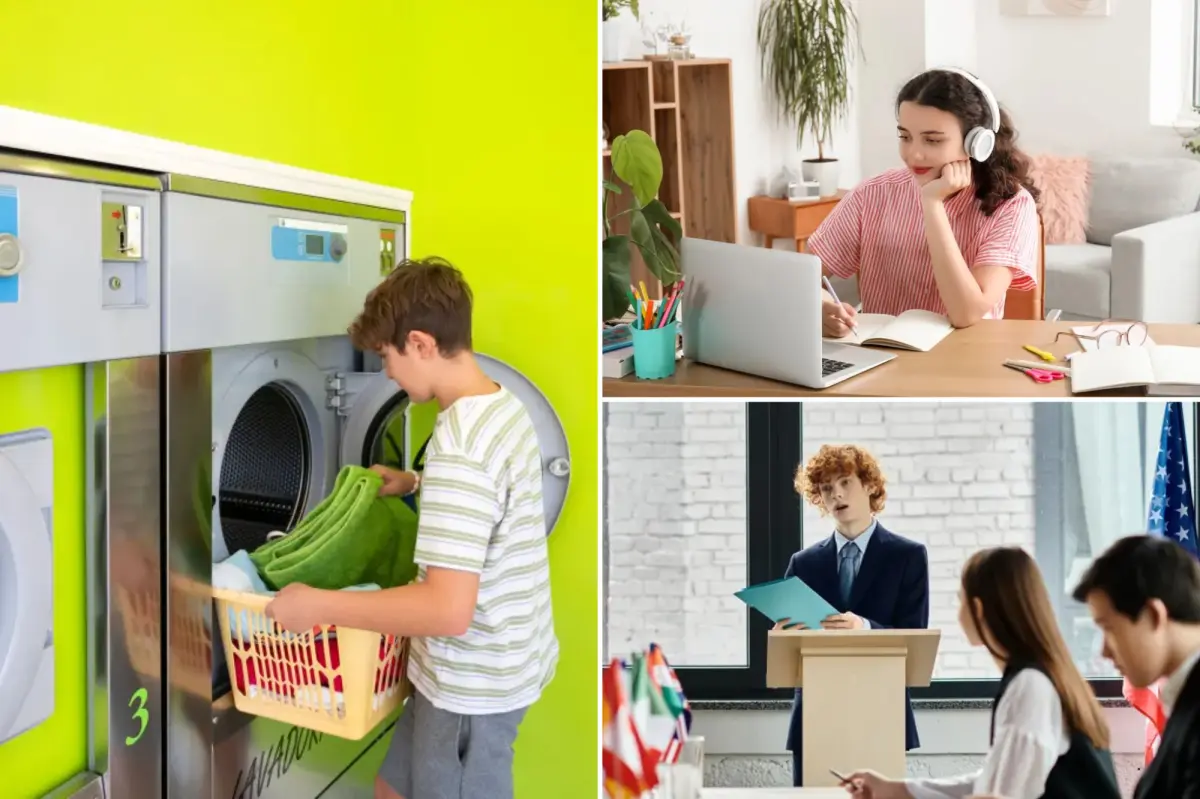
The past decade has witnessed dramatically intensified demands on ambitious teenagers. As college admissions become increasingly competitive, high school students juggle more challenging coursework, multiple extracurricular activities, volunteer commitments, and ambitious passion projects. Yet amid this heightened pressure and expanded responsibilities, many students fail to develop the basic life skills that parents assume accompany strong academic performance. Seemingly simple tasks – changing a lightbulb, creating a basic budget, sending a professional email, or doing laundry – can overwhelm teenagers who can otherwise explain complex scientific concepts or solve differential equations. This disconnect creates a puzzling situation where academically accomplished students lack fundamental competencies for everyday living, leaving parents bewildered about how their substantial educational investments have missed such critical development areas.
When parents recognize these deficiencies, their instinctive responses often exacerbate the problem rather than resolve it. Many resort to helicopter parenting, providing stern lectures or constant reminders about assignments and responsibilities. However, this approach typically strains the parent-child relationship while further inhibiting students’ development of self-sufficiency. Other parents outsource support through additional academic tutoring or providing more detailed checklists for courses and extracurriculars. Unfortunately, these interventions frequently overwhelm already-burdened students who fundamentally lack the organizational tools to manage their existing commitments effectively. Traditional academic coaching does little to develop real-world competencies, while external structure without skill development merely creates dependency rather than autonomy. These well-intentioned but misguided parental interventions highlight the need for a more effective approach to building life skills alongside academic proficiency.
The solution to this real-world readiness crisis cannot rely solely on school curriculum enhancements, as the challenges students face are too diverse for a standardized approach. Some teenagers lack executive functioning due to insufficient parental guidance, while others struggle precisely because of excessive parental involvement. Some students feel overwhelmed by overscheduled lives, while others have too much unstructured time. The pressures of high expectations paralyze certain students, while others need more challenging standards to reach their potential. Additionally, the skills needed for college and adult life—self-advocacy, planning, effective communication, and stress management—evolve continuously as students mature. This complexity means that a one-size-fits-all approach inevitably fails to address the unique developmental needs of each student. Rather than prescriptive checklists of skills to master, effective support systems must empower students to develop their own capabilities through personalized guidance.
Personalized mentorship represents the most effective response to this educational gap, which explains why parents increasingly invest in individualized support systems for their children. Students thrive when receiving customized guidance from near-peer mentors who can relate to their challenges while modeling successful strategies for both academic achievement and personal development. This approach has demonstrated remarkable results, transforming anxious freshmen into confident seniors capable of public speaking, community leadership, and independent organization of complex responsibilities. The most successful interventions help students not just with immediate academic concerns but with developing the transferable skills that will serve them throughout college and beyond. In today’s intensely competitive environment, teenagers need more than help starting clubs or improving GPAs—they require personalized guidance to become autonomous adults capable of navigating the world confidently. This investment in holistic development represents not just preparation for college admissions but preparation for life itself, addressing the fundamental gap between traditional education and real-world readiness.