





Discovering the Power of Silent Steps
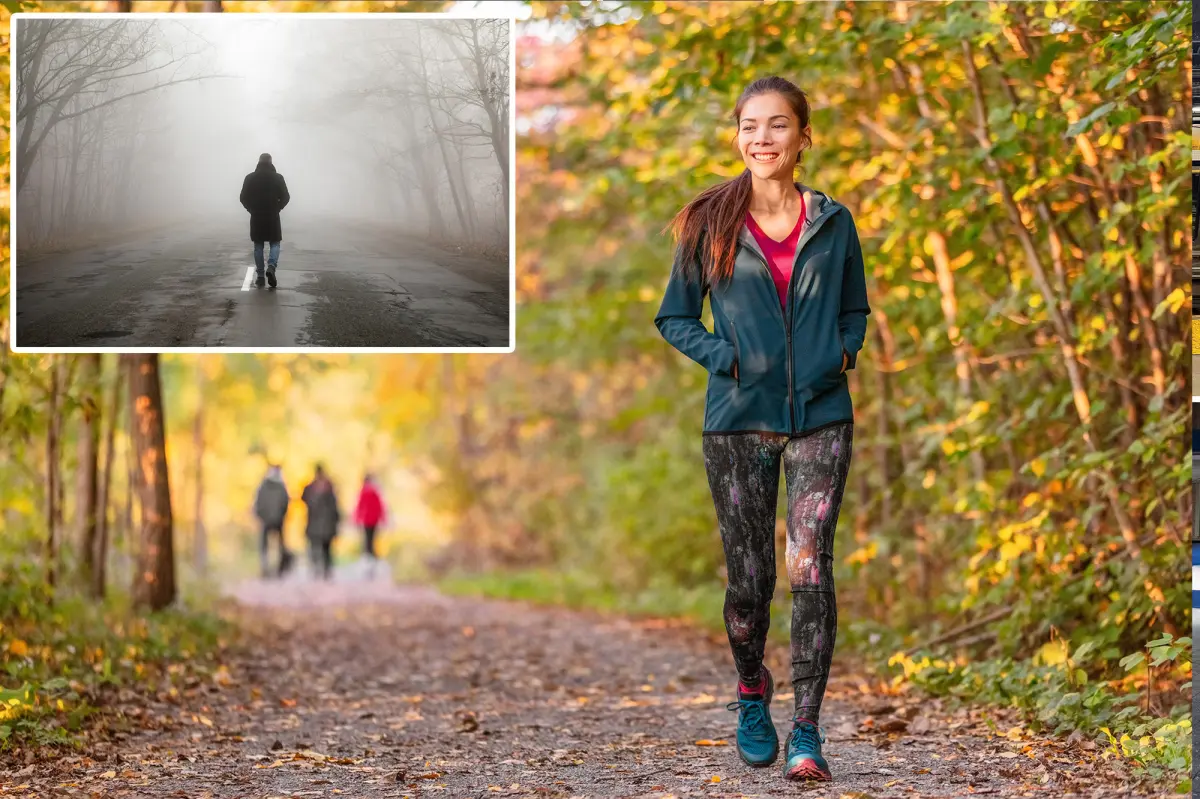
Hey there, fellow walkers! If you’ve scrolled through TikTok lately and stumbled upon folks cheerfully declaring they’re “rawdogging” their walks—no playlists, no earbuds, just pure, unfiltered footsteps—you’re not alone. It’s like the fitness world uncovering a secret that’s been hiding in plain sight. Experts are buzzing about “silent walking,” a practice where you ditch the tech distractions and embrace the quiet. Picture this: Zen-like monks have been doing it for ages as “moving meditation,” but fast-forward to summer 2023, and it’s gone viral thanks to everyday people like me finding real magic in the silence. It’s not just a trend; it’s a whole-body reset that builds mindfulness, sharpens awareness, and fosters intentionality. Imagine stepping out without the mental clutter of notifications or beats—suddenly, the world opens up, and you’re not just exercising; you’re truly present. I mean, who hasn’t zoned out during a run with music blasting, missing the birds or the breeze? Silent walking flips that script, turning a simple stroll into something profound. It’s quiet chaos at first, sure, but once you sink in, it’s liberating. Experts say it supports heart health by calming the storm inside, reducing stress hormones that spike from our noisy lives. Think about it: in our hyper-connected digital age, silence feels rebellious, almost naughty, like a hushed game of tag with your thoughts. But here’s the kicker—it’s doing wonders for our minds and bodies, proving that sometimes, less tech equals more life.
How It All Started with an Unexpected Challenge
Let me share how this silent revolution kicked off. It began with Mady Maio, the brainy podcaster behind “Okay Sis,” who turned her personal challenge into a full-blown movement. Back in the summer of 2023, her nutritionist swapped her high-intensity cardio sessions for something gentler: 30 minutes of daily walking. But Mady’s boyfriend, always the playful skeptic, ramped it up. “Why not go silent?” he dared her. No music, no podcasts, no chit-chat. Just her, her steps, and the raw world around her. At first, Mady admits it was pure mental mayhem—her brain screaming for familiar noise to drown out the awkward quiet. But then, something clicked. The impulse to plug in faded, replaced by a rush of clarity and creativity. She credits those silent strides with sparking insights and boosting her productivity, turning what could have been mundane exercise into a daily ritual of self-discovery. It’s funny how these viral moments start small, like a whisper that becomes a shout. Mady’s story resonates because it’s so real: we’re all wrestling with distractions, but ditching them can unlock a calmer, more focused version of ourselves. Imagine trading treadmill battles for a peaceful neighborhood loop, letting your mind wander freely. It’s not about perfection; it’s about that “aha” moment when silence reveals the beauty you’ve been missing. I’ve tried it myself, and yeah, those first minutes are rough—fidgety thoughts popping up like unwanted party guests—but once you lean into it, it’s intoxicating. Mady’s accidental trend shows how one person’s leap can inspire millions to rethink their walks, proving that sometimes, the simplest changes lead to the biggest rewards.
The Health Wins Backed by Science
Now, let’s talk nitty-gritty benefits, because while walking is already a superstar for health—helping digestion, lifting moods, and even adding years to your lifespan—adding silence takes it to another level. Dr. Mitchell Weinberg, a cardiology chief at Northwell’s Staten Island University Hospital, breaks it down perfectly. He says walking is a top stress-buster for the body, but stripping away digital noise lets your nervous system hit the reset button. Those pesky stress hormones like cortisol and adrenaline, which hammer your heart when life’s too loud, dial down. It’s like giving your cardiovascular system a spa day. Walking in silence amps up circulation, drops blood pressure (both systolic and diastolic), and guards against heart disease and stroke. Weinberg points out that mindful strolling adds that extra calm, which supports even healthier pressure levels. Plus, it’s not just physical; those endorphins flood in, boosting your mood and mental vibe. Stepping outdoors? That’s bonus magic for reducing anxiety, sharpening focus, and gulping down better sleep. I’ve felt it firsthand—post-walk clarity that’s sharper than any caffeine buzz. But the real gem is how it calms those external voices we’ve internalized, fostering a deeper self-connection. Weinberg’s insights make it clear: this isn’t fluff; it’s evidence-based wellness. In a world where we’re bombarded by podcasts, calls, and posts, silent walking feels like a radical act of self-care. Imagine reclaiming your walk as a sanctuary, not a scrolling opportunity. Experts like him reassure us it’s sustainable, turning exercise from a chore into a restorative treat. It builds endurance through consistency, and for many, it’s the key to making fitness stick. Who knew quiet steps could pack such a punch for the heart?
Personal Stories of Peaceful Strides
Shifting gears to the human side, silent walking isn’t just doctor talk—it’s lived experiences that hit home. Take Julia Salvia, a beauty and self-love creator who spills her story with infectious enthusiasm. She dives into 20- to 30-minute silent hikes sans music or media, just her and the path. “These walks let me ponder my day, my dreams, and truly enjoy being alone with myself,” she’s shared. It’s a moment of pure reflection, where goals crystallize and self-love blooms. Like many of us, Julia craves that space to think without interruptions, turning solitude into a strength. Proponents like her rave about how it heightens awareness of breath and heartbeat, promoting presence and inner peace. It’s not ethereal woo-woo; it’s practical magic. Research backs this up, showing daily meditation (and silent walking mirrors it) slashes anxiety, boosts health, and even strengthens social ties by grounding you. I’ve chatted with folks who’ve tried it—they describe that breathtaking halt to the mental noise, like hitting pause on a chaotic playlist. One friend said her first silent walk was eye-opening: she noticed forgotten cracks in the sidewalk and distant laughter, sparking gratitude. Another revealed it helped process grief, the quiet allowing tears without pretense. These stories humanize the trend, reminding us we’re all craving connection—to nature, to ourselves. In an era of constant buzz, silent walking is a gentle rebellion, a way to reclaim mental real estate. It’s empowering, especially for those feeling obligatory about workouts; this makes movement feel nourishing, like a warm hug from within.
Weighing In on Mindfulness and Motivation
But let’s keep it balanced, because not everyone’s wired for total silence. Experts, including Dr. Weinberg, nod to music’s role as a motivator. He suggests blending both into your routine: crank up tunes to kickstart longer, harder walks, then switch to silence for cooldown and recovery. “Music gets you out the door; silence chills you out,” he advises. It’s smart, because what works for one might not for another—some thrive on rhythmic beats, others on the void. Silent walking’s mindfulness edge shines for stress-easers, while soundtracked strides suit endurance pushers. The key? Consistency over perfection. Weinberg’s mantra is gold: “The best walk is the one that happens.” I’ve experimented with this hybrid—pumping jams for the uphill, then silencing for the return. It transforms walks into adventures, not chores. Research echoes that mindful practices like this reduce anxiety and enhance well-being, building on ancient traditions like those Buddhist walks. Yet, it’s adaptable: indoors on a treadmill or outdoors in a park, the principle holds. Critics might call it trendy, but at its core, it’s timeless—prioritizing the body over the buzz. Imagine tailoring your strolls to your mood: loud when energy wanes, quiet for introspection. This flexibility humanizes fitness, making it approachable. Silent walking may feel countercultural in our noisy world, but it’s a reminder that movement, whatever flavor, is the hero. By humanizing these choices, we see how they fit into real lives, not just charts. It’s not about extremes; it’s about what gets you moving, heart and soul.
Embracing the Quiet Revolution
Wrapping this up, silent walking is more than a TikTok fad—it’s a gateway to profound wellness. From Mady’s accidental dare to experts’ endorsements and personal victories, it’s clear this practice nurtures mind, body, and spirit. It lowers stress, supports heart health, and invites self-connection in an overstimulated age. Sure, music has its perks, but silence? It’s revolutionary. As someone who’s embraced it, I can attest: those hushed steps reveal a calmer me, more aware and alive. Try it—ditch the devices for 20 minutes and see the clarity unfold. It’s sustainable, restorative, and ultimately, deeply human. The secret’s out: true fitness blooms in the quiet. Whether you’re new to it or a seasoned rawdogger, remember Dr. Weinberg’s wisdom—the walk that happens is the winner. Let’s step into that silence together.