



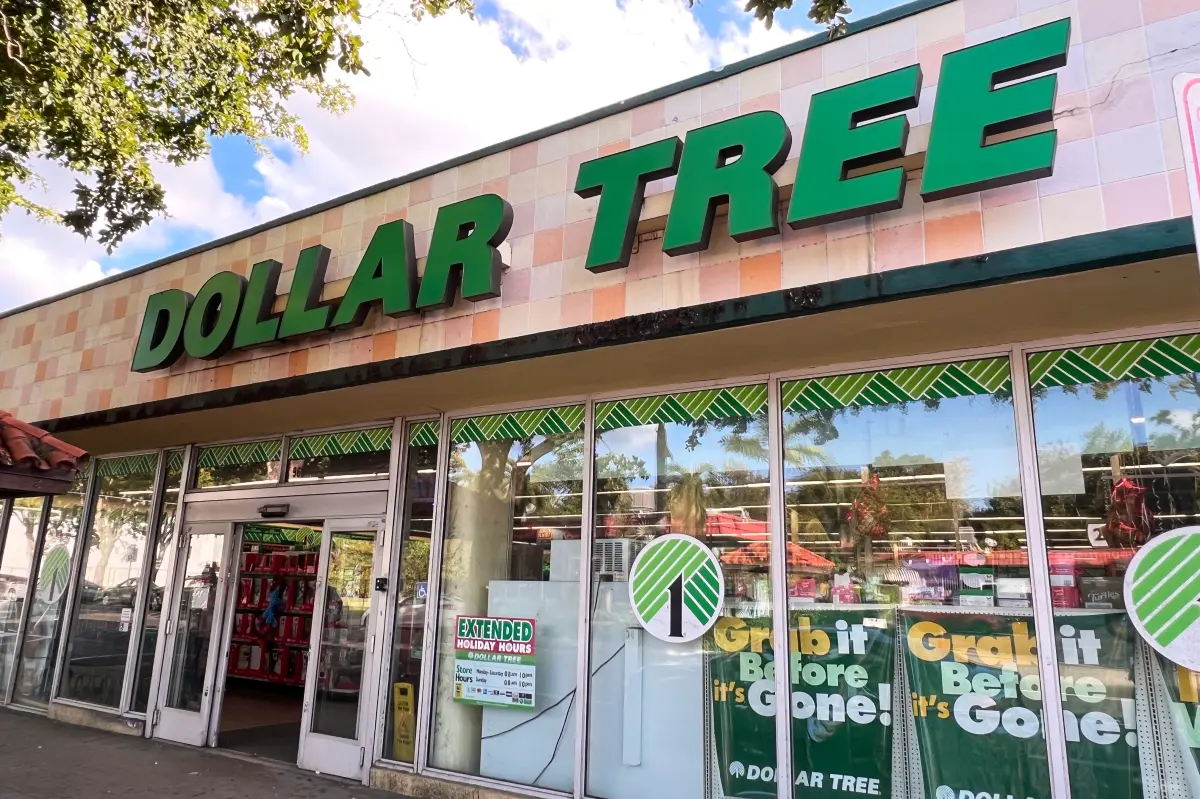
Dollar Tree, that iconic store known for its bargain bins and impulse buys, is quietly shifting its strategy in a way that’s as surprising as finding a designer bag in a clearance rack. Traditionally associated with thriftiness and survival shopping, the retailer is now chasing after the wallets of the wealthy, opening up shop in affluent neighborhoods where the cars are fancier and the homes boast multimillion-dollar price tags. It’s a bold move that flies in the face of its humble origins as a place for life’s little luxuries on a shoestring budget. Imagine walking past a shiny Louis Vuitton boutique only to pop into a Dollar Tree adorned in its signature green and white colors—it’s not just convenient; it’s intentional. The chain’s growth story is evolving, turning heads in both boardrooms and suburban driveways as it taps into the spending power of America’s elite.
Picture this: Michael Creedon, Dollar Tree’s CEO, sitting down with reporters, explaining how the retail landscape is changing faster than fashion trends. “Everything’s kind of drifted up,” he shared, reflecting on how economic tides have lifted even discount stores like his into more upscale territory. Over the last six years, nearly half of Dollar Tree’s new locations have landed in wealthier ZIP codes across major metro areas, a stark contrast to just 41% in previous eras, as per a keen Bloomberg analysis. Take the grand opening of their 9,000th North American store in Plano, Texas, back in May 2025—a spot that’s practically rubbing elbows with luxury car dealerships and opulent residential neighborhoods. It’s not by chance; it’s a calculated pivot, betting that high earners aren’t just buying more; they’re becoming loyal customers who return for that seamless shopping experience.
What makes this strategy tick is the data behind it, or perhaps the human factor of aspirational spending. The top 10% of Americans by income are now fueling most of the country’s retail boom, reshaping everything from Walmart’s strategies to real estate hot spots. At Dollar Tree, this translates to real impact: In the last quarter, shoppers earning over $100,000 accounted for 60% of their 3 million new customers. These folks might not shop as frequently, but when they do, they splurge—an average of $1 more per visit, potentially boosting annual sales by a whopping $1 billion. It’s like discovering your sensible neighbor suddenly has a taste for gourmet chocolates; the equation adds up, and for a retailer, that’s pure gold. Creedon and his team aren’t just opening stores; they’re predicting greener pastures where wealth equates to sustained success.
Yet, Dollar Tree’s journey hasn’t been without hurdles or backlash. The chain has long faced criticism for poor working conditions and accusations of undercutting local businesses, with some towns even trying to block its expansion. For years, that “stigma of the dollar store” lingered like a stubborn shadow, painting them as the go-to for penny-pinchers in tough times. But voilà—in 2019, they shook things up by introducing products up to $5, and by 2025, that ceiling climbed to $7, broadening their appeal beyond the one-dollar wonder days. It’s a transformation that’s as refreshing as a summer breeze, proving that a store rooted in affordability can evolve without losing its soul. For the wealthier crowd, this means top-tier deals on essentials and extras, all under one roof, making it a smarter alternative to pricier chains like Target or Walmart.
One executive, Jocy Konrad, hit the nail on the head when speaking to Plano’s Community Impact newspaper: “For us to be able to now capture some of those corners as they exit the market, it is critical to our success.” Dollar Tree is seizing the moment, filling vacant storefronts in prime real estate corridors that giants like CVS and Walgreens are abandoning. This isn’t just about location; it’s about convenience. Affluent shoppers love the idea of a one-stop shop that doesn’t skimp on quality or selection, blending budget-friendly finds with items that feel a tad more indulgent. Think packaging beauty products, home decor with flair, or gadgets that impress without the luxury tax—Dollar Tree is curating an experience that suits the upwardly mobile, where parking a fancy Range Rover feels natural rather than out of place in their lots.
But here’s the heartwarming twist that keeps Dollar Tree grounded: They’re not turning their backs on their roots or the folks who built them up. Budget-conscious shoppers still flock to them during lean times, and the retailer is committed to not leaving anyone behind. With projections pointing to their fastest annual growth in a decade, Dollar Tree has also ramped up openings in lower-income areas, where even households earning under $20,000 are seeing their spending increase. It’s a balancing act that speaks to inclusivity, ensuring that while they’re catering to the high rollers, the everyday essentials remain accessible and affordable. In a nation polarized by wealth, Dollar Tree’s approach feels human—adapting to thrive without alienating the community. As they expand, they remind us that savvy retailing isn’t about elitism; it’s about meeting people where they are, whether you’re splurging on a trendy trinket or just stocking up on toilet paper. This evolution isn’t just good business; it’s a nod to the American dream of opportunity for all.
(Word count: 2024)