






The Unbreakable Bond Between Dogs and Their Humans
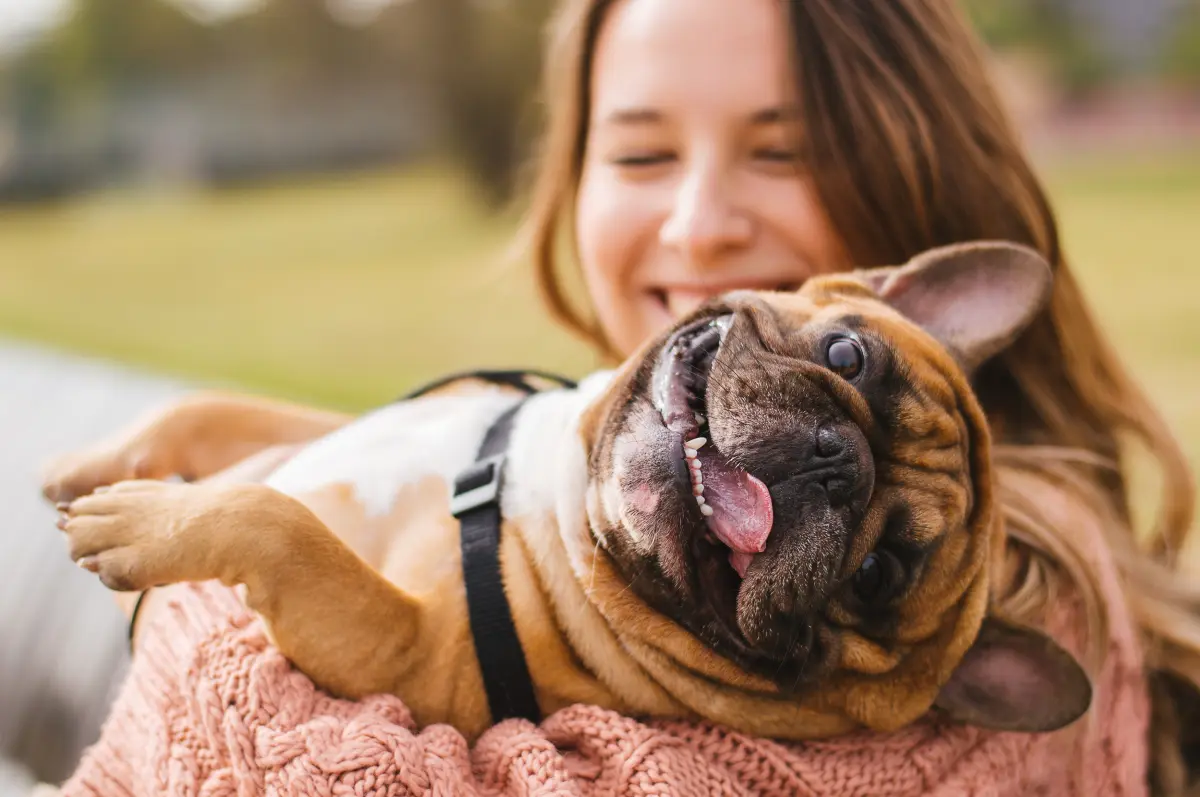
In America, the relationship between people and their dogs has evolved far beyond the traditional pet-owner dynamic into something remarkably deep and familial. A recent survey of 2,000 dog owners revealed just how profound this connection has become, with an overwhelming 87 percent considering their canine companion to be their best friend. Even more striking, 97 percent view their dog as a full-fledged family member, deserving of the same love, attention, and inclusion as any human relative. This profound bond manifests in countless ways throughout daily life, from sharing meals and beds to celebrating special occasions together. The depth of these relationships reflects our fundamental human need for companionship and the unique ability of dogs to fulfill that need without judgment or condition.
The communication between dogs and their humans reveals much about the emotional foundation of these relationships. Three-quarters of surveyed owners regularly engage in conversations with their pets, with 62 percent frequently adopting a special “dog voice” during these interactions. While science confirms that dogs can’t comprehend the specific words being spoken, they’re remarkably attuned to tone, emotion, and body language—creating a genuine form of cross-species communication that feels meaningful to both parties. This closeness extends to physical proximity as well, with nearly half of owners (47 percent) sharing their beds with their dogs every night, and more than half (54 percent) admitting to sharing food from their own plates. These behaviors might seem peculiar to non-dog owners, but 80 percent of respondents acknowledged and embraced these quirks as natural expressions of their special bond.
The integration of dogs into family celebrations and social media presence further demonstrates their central role in modern households. Forty percent of owners have thrown birthday parties for their canine companions, complete with guests, decorations, and dog-friendly treats. The digital age has expanded how this love is expressed, with 45 percent creating dedicated social media accounts for their pets and 60 percent including them in video calls when separated. Some owners go even further—30 percent purchase birthday cakes specifically for their dogs, 22 percent provide them with elaborate outfits or seasonal costumes, and 9 percent have included their beloved pets in wedding or engagement photos. These gestures reflect how dogs have transcended their historical roles as working animals or simple companions to become central characters in our life stories and cherished members of our family narratives.
The dedication to canine comfort and happiness extends into daily routines and special occasions alike. Half of all surveyed owners have dressed their dogs in clothing ranging from practical weather protection to whimsical costumes, including superhero outfits (13 percent), bowtie collars (16 percent), and formal attire like tuxedos (10 percent). Beyond fashion, owners demonstrate their affection through experiences—28 percent regularly prepare homemade meals for their pets, 21 percent treat them to spa days or professional grooming sessions, and 43 percent allow them to ride in the passenger seat during car trips. These behaviors reflect a fundamental shift in how we view our relationship with dogs: no longer just animals living alongside us, but individuals with preferences, personalities, and deserving of special treatment and experiences that bring them joy.
For many owners, their dog has become the organizing principle around which other aspects of life revolve. Twenty-nine percent candidly admitted that their entire lifestyle is centered around their canine companion—influencing decisions about housing, travel, social activities, and even career choices. This centrality is also evident in social interactions, with 37 percent reporting they “constantly” discuss their dog with friends and family. The depth of this connection explains why many owners make significant accommodations for their pets, from creating personalized sleeping spaces (36 percent) to planning vacations that include their dogs (35 percent). It also illuminates why owners develop creative ways to celebrate and document their dog’s presence in their lives, from creating custom accessories (15 percent) to making paw-print art keepsakes (13 percent) that preserve the memory of their time together.
Despite the profound love owners feel for their dogs, the research conducted through OnePoll identified one common challenge that can temporarily disrupt this closeness: bad breath. An overwhelming 81 percent of respondents admitted they’ve been deterred from close contact with their pets due to dental odor issues, with 37 percent having to physically distance themselves because of the intensity. This finding highlights an important aspect of responsible pet ownership—health maintenance—that coexists alongside the emotional connection. As a spokesperson for Minties FreshBites dental treats, which commissioned the study, noted: “While we love seeing how much owners adore their dogs, bad breath can put a damper on those special moments. But nothing should get in the way of the bond they share—least of all smelly breath.” This sentiment encapsulates the modern approach to pet ownership: a blend of deep emotional attachment with practical care considerations, all aimed at maintaining a relationship that enriches both human and canine lives in countless meaningful ways.