






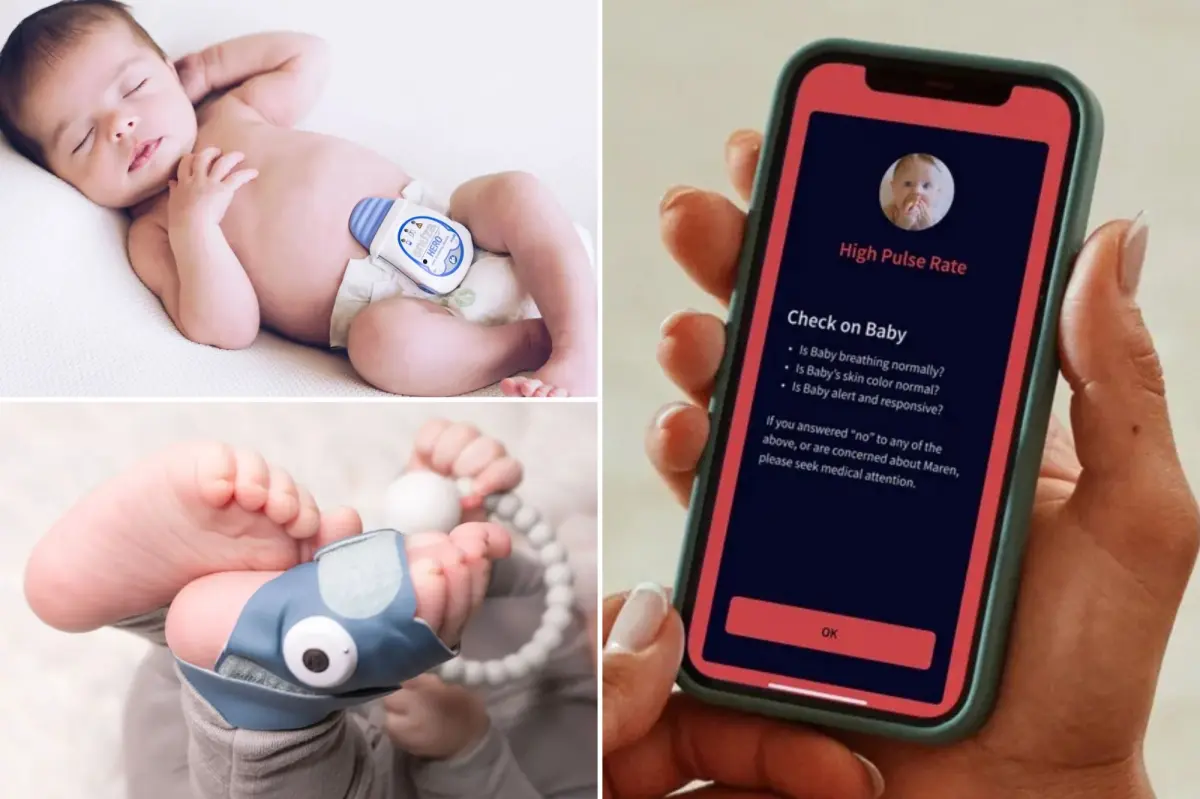
Ever since the days of the “Radio Nurse” back in 1937, when parents could remotely tune in to their baby’s cries via radio waves, technology has revolutionized how we look after our little ones. That pioneering electronic baby monitor was a game-changer, letting moms and dads listen from another room without constant trips to the nursery. Fast-forward almost a century, and we’re living in a whole new world of baby monitoring. Today’s devices aren’t just about overhearing giggles or cries—they’re packed with sensors that track vitals like sleep patterns, oxygen levels, breathing, and even tummy movements. It’s like giving babies their own mini health trackers, inspired by the adult gadgets we all obsess over, from Fitbits to smart rings. Parents now have access to data-driven insights that promise to ease worries and provide peace of mind, turning intuition into a blend of gut feeling and real-time info. These high-tech baby wearables have exploded on the market in the last decade, catering to our collective obsession with health and wellness. Imagine slipping a cozy Nanit Breathing Wear swaddle or Pajama on your infant and getting app notifications if breathing pauses—that’s the kind of reassurance many families crave. As someone who’s scrolled through endless parenting forums, I can see why these gadgets feel like a lifeline in those sleep-deprived early months. But it’s not all utopian; with so much innovation comes questions about safety and regulation that echo the debates around adult wearables. Still, the appeal lies in bridging the gap between old-school vigilance and modern tech, helping parents feel more connected to their baby’s world even when they’re not in the same room.
Diving deeper into the options out there, we’ve got a fascinating array of devices designed to keep tabs on tiny bundles of joy. Take the Nanit Breathing Wear line, for instance—a range of swaddles, pajamas, and sleeping bags embedded with smart tech that monitors breathing through subtle movements. If the system detects a lull, it pings an alert straight to your phone, letting you check in quickly. Parents I’ve chatted with love how it integrates seamlessly into bedtime routines, turning what once was a anxious ritual into something more predictable. Then there’s the Snuza Hero, a clever clip that attaches to a baby’s diaper during naps or nighttime. It vibrates gently after 15 seconds of no detected breathing to nudge the little one awake, escalating to an alarm if needed. It’s like having an extra set of eyes in the room, appealing to those who remember the sheer panic of wondering if their baby was okay. And don’t forget the Sense-U smart monitor, which goes further by tracking abdominal movements, rollovers, and temperature, sending real-time updates to your app. It even includes vibrations and sounds for immediate alerts. These products feel personal, like they’re tailored to the everyday anxieties of new parenthood—those moments when you’re desperately trying to fold laundry but straining to hear any noise from the baby monitor. As a parent myself, I remember the relief of finally understanding my kid’s sleep patterns, and these wearables promise to amplify that, offering insights that let you adjust your schedule around feedings or naps without guesswork. Yet, beyond the cool features, there’s a human side: they remind us that parenting is about balance, blending tech with the warmth of holding your baby close.
However, not everything in this high-tech haven is smooth sailing, especially when it comes to regulations. The FDA stepped in last September with a stern alert, cautioning parents and healthcare pros against infant wearables that claim to monitor vital signs without official approval. While they didn’t single out brands, this warning hits home for many of the popular devices I mentioned, even if some boast clearance in other countries or boast independent studies. In the U.S., many classify as general wellness products rather than medical devices, meaning they bypass FDA scrutiny and hit shelves without rigorous testing for safety or effectiveness. It’s a loophole that lets innovation move fast, but it leaves parents like you and me wondering: is this gadget really backed by the science we trust? The FDA hasn’t weighed in on their real-world reliability, which can feel head-scratching for anyone who’s ever read horror stories about faulty alarms. Manufacturers, too, are quick to clarify that these aren’t diagnostic tools—they stress they’re not meant to prevent or treat conditions like SIDS, and they warn about potential false readings that could spark unnecessary worry. Companies didn’t respond to inquiries, leaving a gap that fuels skepticism. As someone who values transparency, this regulatory gray area makes me pause; it’s like buying a car without crash tests. Sure, the promise of data is enticing, but without full vetting, we’re relying on promises rather than proof, which heightens the stakes for something as precious as our children’s health. It’s a reminder that in the rush to innovate, oversight matters, and parents deserve clear guidance on what’s truly safe.
Amid the cautionary tales, there are rays of light, like the Owlet Dream Sock, an FDA-cleared wearable that stands out for its official blessing. Priced at a hefty $299.99, this sock-like device slips onto a baby’s foot for use from 1 to 18 months—a perfect window for those high-anxiety early stages. It employs the same pulse oximetry tech you’ve seen in hospitals, continuously tracking pulse rate, oxygen saturation, sleep position, and movement. Parents get instant alerts on their phones if readings stray outside safe ranges, offering that “just in case” shield. Owlet’s chief parent officer, Liz Teran, shared how it’s designed with inclusivity in mind, ensuring accuracy across all skin tones, which feels inclusive and thoughtful in today’s world. Over time, the app learns your baby’s rhythms, predicting sleepiness cues to help fine-tune routines and dodge those dreaded overtired meltdowns. For parents juggling schedules, this data-driven approach feels like a game-changer—less guesswork and more confidence. Teran recounted a touching story of one mom whose persistent oxygen drop alerts led to a deeper pediatrician check, uncovering a hidden cardiac issue. It’s narratives like these that make the tech feel deeply human, turning cold data into stories of prevention and peace. If you’re like me and have second-guessed every decision in the newborn haze, the Dream Sock represents a bridge between intuition and evidence, giving us tools to advocate for our kids during doctor visits. Yet, even with clearance, it’s not a magic fix—it’s about using it wisely to complement, not replace, good parenting instincts.
That said, experts aren’t shy about voicing doubts, pointing out that these wearables could unwittingly complicate safe sleep practices and amp up parental stress. Doctors worry that a false sense of security might lead caregivers to skip tried-and-true guidelines, like placing babies on their backs without loose bedding. False alarms are a real buzzkill too—imagine waking up repeatedly to pings that turn out to be glitches, eroding that precious rest. Neonatologist Dr. Joanna Parga-Belinkie from Children’s Hospital of Philadelphia highlighted “alarm fatigue,” a phenomenon common in hospitals where constant beeps desensitize staff and foster burnout. She fears the same for homes, where parents might invest in these devices based on marketing hype without solid evidence that they actually boost baby health. As a concerned parent, I’ve seen online debates where folks share stories of needless ER trips triggered by alerts, only for tests to show everything’s normal. It’s disheartening, fueling anxiety rather than alleviating it, and potentially disrupting a baby’s fragile sleep. The lack of long-term data means we’re experimenting with our most vulnerable, which sits uncomfortably with pediatric guidelines. These concerns remind me of how easy it is for tech to promise the world but deliver disruption instead of harmony. While the intent is good, experts urge caution: treat these as aids, not absolutes, and always prioritize proven safety measures over gadget glamour. In the end, it’s about balancing innovation with prudence, ensuring tech serves families without overwhelming them.
Looking ahead, the horizon for infant wearables gleams with possibility, potentially evolving to become as everyday as video monitors or strollers. Teran envisions a future where parents seamlessly blend data with caregiving, shedding the “just listening” era for one rich in actionable insights on health and sleep. It’s about that shift from intuition to “intuition-plus-data,” empowering us to communicate better with doctors and catch issues early. By building longitudinal health records from day one, these devices could influence care far beyond infancy, shaping everything from vaccinations to long-term development. As someone who dreams about proactive parenting in a data-obsessed society, I see the appeal—providing baselines that could predict allergies or track growth with unprecedented detail. Sure, we’re not there yet, with hurdles like regulations and evidence gaps, but the trajectory is promising. Imagine a world where early data prevents crises or optimizes routines, easing the mental load of parenthood. Companies are pushing boundaries, and with FDA oversight improving, we might soon see wearables that feel indispensable. Yet, humanizing this means remembering the core: tech should support, not supplant, the love and attentiveness that define family. As we integrate these tools, let’s ensure they amplify our instincts, fostering not just smarter babies but more connected, confident parents. The journey from radio signals to biorhythms tracks reflects our evolving dreams for our kids—a testament to how far we’ve come, and how much farther we might go, with care and caution. In embracing this, we’re not just monitoring; we’re nurturing a future where every heartbeat, every breath, feels seen and cherished. And that’s the true magic, woven into the fabric of our daily lives.