




The Hidden Danger in Your Instagram-Worthy Cocktail
When Social Media Appeal Turns Deadly
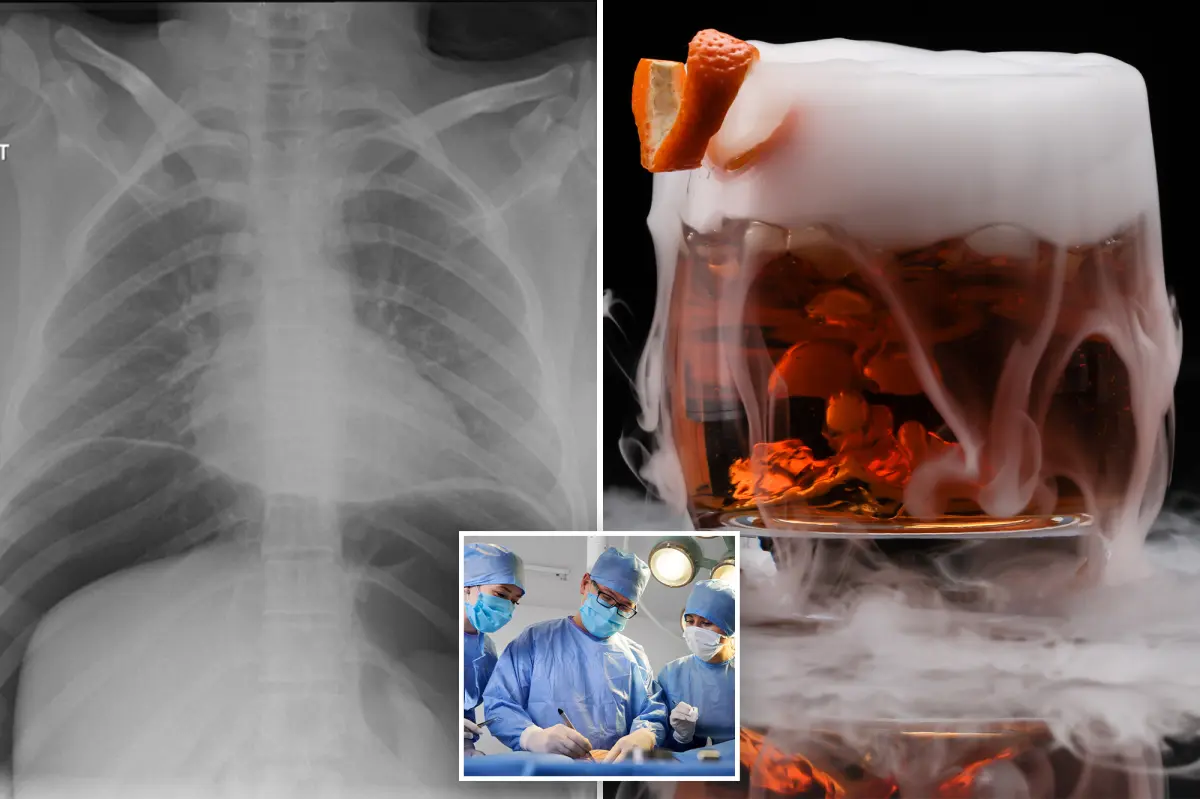
Those misty, fog-billowing cocktails that have become staples of trendy bars and social media feeds harbor a potentially lethal secret ingredient: liquid nitrogen. This substance, which is nitrogen gas supercooled to approximately -319°F, creates the dramatic “smoking” effect that makes these drinks so visually appealing. But as ER doctor and toxicologist Dr. Josh Trebach has warned, these eye-catching beverages can have consequences far more serious than a mere hangover. “Some people think it is super cool to put liquid nitrogen into a beverage and watch the fog that comes out of the drink so you can take a pic for your social media,” Trebach explained on social media, “but not everyone is aware of the risks that come with drinking a drink made with liquid nitrogen.” What’s particularly concerning is that despite its dangers, the use of liquid nitrogen in food and beverage preparation requires no special training or regulation, leaving both servers and consumers dangerously uninformed about proper handling procedures.
The Science Behind the Danger
Liquid nitrogen might create a spectacular visual effect, but its physical properties make it extraordinarily dangerous when mishandled. At room temperature, it rapidly boils and converts back to its gaseous state, expanding dramatically in volume. When consumed before fully evaporating, liquid nitrogen can wreak havoc inside the human body. “If it’s in your stomach, it can expand and cause your stomach to explode,” Trebach warned with stark clarity. This isn’t hyperbole – the expansion of liquid nitrogen in the confined space of the stomach can create enough pressure to cause perforation, essentially tearing the stomach open. Once this happens, the gas escapes into the peritoneal cavity, causing the abdomen to distend rapidly, which can crush surrounding organs and lead to respiratory failure. Meanwhile, the extreme cold can instantly freeze tissues on contact, causing severe frostbite to delicate internal tissues. Without immediate emergency surgery, these injuries are often fatal.
Real Victims Behind the Statistics
The dangers of liquid nitrogen in beverages aren’t theoretical – they’re documented in medical literature and news reports worldwide. One particularly sobering case involved an 18-year-old woman treated at the Royal Lancaster Infirmary in the UK. After consuming a cocktail containing liquid nitrogen, she experienced immediate and severe abdominal pain accompanied by difficulty breathing. Emergency scans revealed a stomach perforation that required immediate surgery. The damage was so extensive that surgeons couldn’t simply repair the tear – they had to perform a total gastrectomy, removing part of her stomach entirely and reconnecting her digestive tract directly to her esophagus. This life-altering operation could have been avoided had she known the risks associated with her trendy drink. And her case is not isolated. Just last month, a Moscow man suffered catastrophic internal injuries when his stomach was “torn apart” after consuming a liquid nitrogen cocktail at a corporate Christmas party. Several years ago, a similar product called Dragon’s Breath – cereal dipped in liquid nitrogen – prompted similar health warnings after sending multiple people to emergency rooms.
The Crucial Safety Step Often Skipped
The fundamental safety protocol with liquid nitrogen cocktails is simple but critically important: consumers must wait until the dramatic “smoke” effect has completely dissipated before taking a sip. This waiting period allows the liquid nitrogen to fully evaporate, leaving behind only the chilled beverage. The problem, however, is that this vital instruction is frequently omitted by servers and bartenders, many of whom may not fully understand the risks themselves. In the fast-paced environment of a busy bar or restaurant, where Instagram-worthy presentation is prioritized, this critical safety step can be overlooked in favor of delivering a visually impressive experience. Consumers, meanwhile, eager to capture the dramatic effect for social media before it dissipates, may rush to drink their beverages before the liquid nitrogen has fully evaporated. This dangerous combination of ignorance and impatience creates the perfect conditions for tragedy.
The Regulatory Gap
Part of what makes liquid nitrogen in food and beverages so concerning is the lack of comprehensive regulations governing its use. Unlike many other potentially dangerous food preparation techniques, there are few standardized safety protocols or training requirements for working with liquid nitrogen in culinary applications. This regulatory gap means that virtually anyone can purchase and use liquid nitrogen, regardless of their understanding of its properties or the dangers it presents. In professional kitchens, chefs typically receive formal training in handling dangerous ingredients and techniques, but in the case of liquid nitrogen, bartenders and servers may receive minimal instruction beyond how to create the desired visual effect. As these drinks grow in popularity, spreading from high-end establishments to mainstream venues, the knowledge gap widens, putting more consumers at risk. Without proper regulation, consumers themselves must become educated about the risks, which is difficult when the danger is invisible once the dramatic smoke effect begins to dissipate.
A Call for Caution in an Instagram Era
The rise of liquid nitrogen cocktails exemplifies a broader trend in food and beverage culture, where visual appeal and “shareability” increasingly drive innovation, sometimes at the expense of safety. In an era where social media influence can make or break a restaurant or bar, the pressure to create ever more dramatic presentations has led to the normalization of potentially dangerous ingredients and techniques. Dr. Trebach’s warning serves as a sobering reminder of the hidden costs of this pursuit of spectacle: “It worries me that people are making these liquid nitrogen drinks or drinking these drinks without being aware that there are risks involved. I personally do not think that it’s worth it and will stick with my pathetic nonfogging beverages. Please be safe!” His sentiment cuts through the social media hype to remind us of what’s truly at stake. While a dramatic cocktail might garner likes and shares, no Instagram post is worth a trip to the emergency room – or worse. As consumers, we should approach these trendy concoctions with informed caution, asking questions about proper consumption and waiting patiently for all visible traces of “smoke” to disappear before taking that first sip. Better yet, we might follow Dr. Trebach’s example and stick with “pathetic nonfogging beverages” that may be less photogenic but won’t send us to the hospital.