







Disney’s Policy Change Leaves Loyal Fans Feeling Left Behind
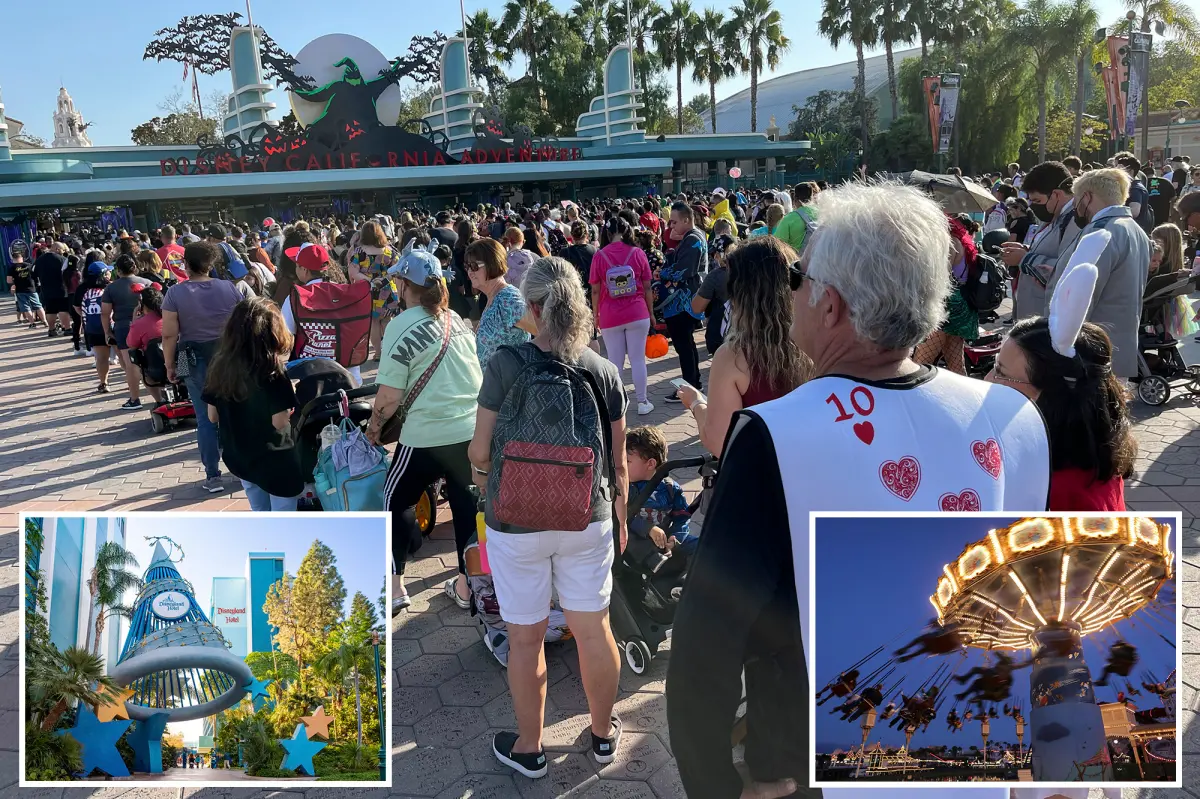
In a move that has stirred significant controversy among the Disneyland faithful, park management has eliminated a cherished benefit that for years has drawn visitors to stay at the resort’s on-site accommodations. Since Monday, guests at Disneyland’s official hotels no longer enjoy the coveted 30-minute early entry privilege that had allowed them to experience the magic of the Anaheim, California park before the general public arrived. This “Lightning Lane” advantage, as reported by the Daily Mail, had been considered one of the most valuable perks for those choosing to stay on Disney property. The decision has left many longtime supporters questioning their loyalty to a brand that seems increasingly focused on the bottom line rather than guest experience.
The elimination of this early access window represents more than just the loss of a convenience; for many dedicated Disney enthusiasts, it symbolizes a fundamental shift in the company’s approach to customer relations. Those precious 30 minutes before official opening time had offered hotel guests a rare opportunity to experience attractions without the notorious crowds that typically define a Disneyland visit. Families could ride popular attractions multiple times, capture cherished photos without strangers in the background, and simply absorb the immersive atmosphere of the park in relative peace. Parents of young children particularly valued this time, as it allowed them to enjoy several key experiences before their little ones became overwhelmed by the midday heat and crowds. The perk had been widely viewed as a reasonable compensation for choosing Disney’s premium-priced accommodations over more affordable options in the surrounding area.
Disney’s decision appears particularly tone-deaf given the significant price disparities between on-property and off-site accommodations. Guests who choose to stay at Disneyland Hotel, Disney’s Grand Californian Hotel & Spa, or Paradise Pier Hotel typically pay substantially more than they would at comparable accommodations just blocks away. For many families, this additional expense—often hundreds of dollars per night—was justified primarily by benefits like early park access. Without such distinguishing advantages, many loyal customers are now questioning whether the Disney premium is worth the investment. Some frequent visitors have already taken to social media platforms to express their disappointment, with several declaring intentions to book future stays at nearby hotels that offer similar comfort at a fraction of the cost. The sentiment among many seems to be that Disney has removed a key value proposition without offering anything meaningful in return.
The timing of this policy change coincides with what many observers describe as a broader pattern of Disney gradually eliminating traditional perks while simultaneously raising prices across its theme park operations. In recent years, the company has introduced or expanded various paid options that previously were included in standard admission, such as the Genie+ service that replaced the formerly free FastPass system. Annual pass structures have been revamped in ways that many longtime passholders view as less advantageous, while food, merchandise, and even parking prices continue to climb. These changes come as Disney theme parks report record revenue and profitability, leading some critics to suggest that the company is prioritizing short-term financial gains over the long-term goodwill of its most dedicated supporters. The elimination of early entry for hotel guests appears to many as simply the latest example of this troubling trend.
What makes this particular change especially frustrating for many Disney enthusiasts is the sense that it fundamentally alters the value equation of the Disney experience. For decades, the company built its reputation not just on exceptional storytelling and immersive environments, but on a level of service and attention to detail that justified premium pricing. Walt Disney himself famously emphasized that the guest experience should always come first, with financial considerations following naturally from excellence in execution. Many longtime fans fear that the current leadership has inverted this philosophy, viewing guests primarily as revenue sources rather than as the heart of the Disney community. This perception is exacerbated when benefits are removed without clear communication about the reasoning or any compensating advantages being offered in their place. The apparent lack of transparency surrounding such decisions only deepens the sense of disconnection between the company and its most passionate supporters.
Despite the evident frustration, Disney’s enduring emotional hold on multiple generations means that many disappointed fans will likely continue to visit the parks, even as they adjust their expectations and spending patterns. The magic of Disneyland remains powerful enough that families will still save for years to experience it, though perhaps with more strategic approaches to maximizing value. However, the gradual erosion of what many see as the Disney difference—those special touches that distinguished a Disney vacation from other travel experiences—may eventually have consequences beyond immediate social media backlash. As alternative entertainment options continue to expand and evolve, Disney risks training even its most loyal customers to make decisions based primarily on price rather than emotional connection. For a company that has built its empire on creating deep, lasting bonds with audiences across generations, this potential weakening of brand loyalty represents perhaps the most concerning long-term implication of decisions like ending early park access for hotel guests.