



Paragraph 1: A Heartfelt Journey Through Illness and Loss
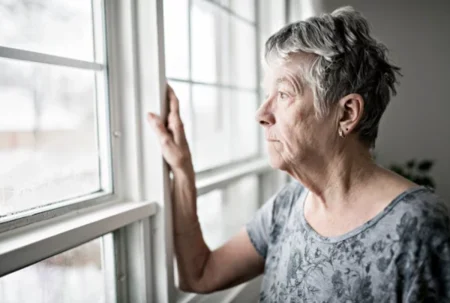
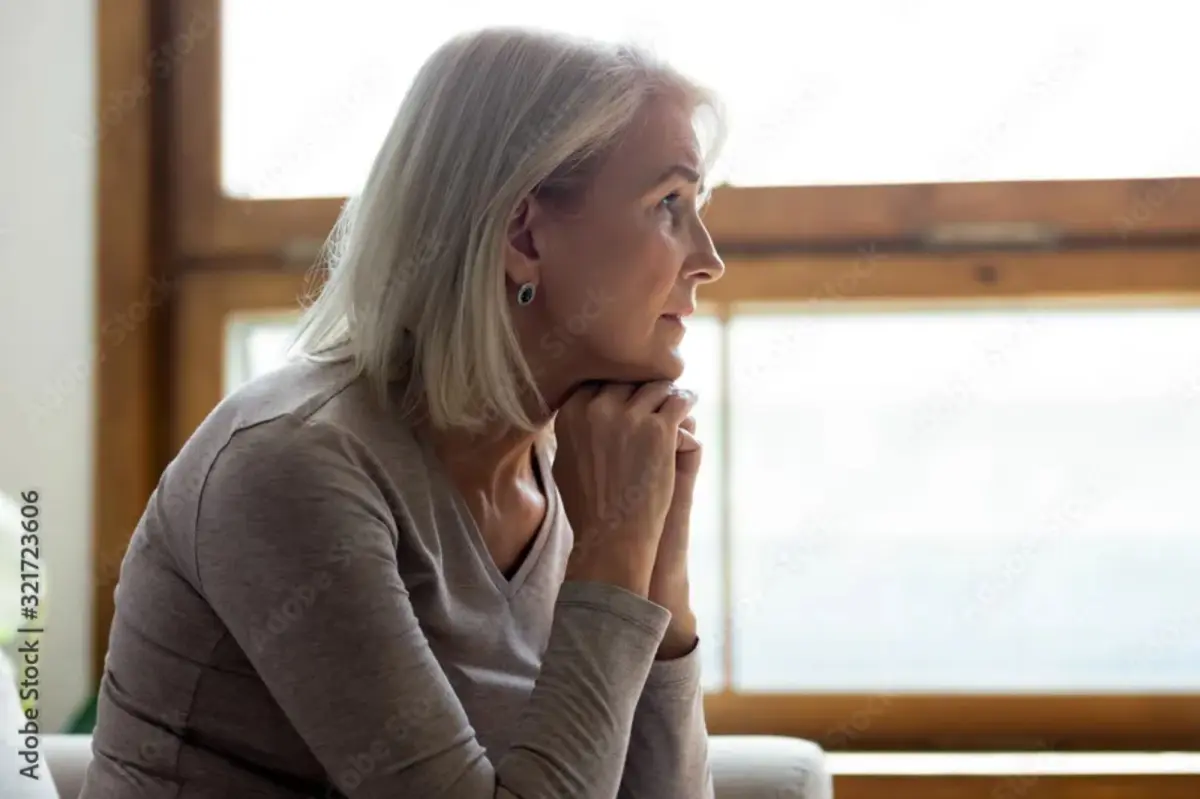
In the quiet corners of New England, where autumn leaves whisper secrets to the wind, lives a woman grappling with the shadows of grief and betrayal after her husband’s death. Her story begins six years before, when his illness first crept in like an unwelcome fog. Dementia took hold, erasing familiar smiles and leaving behind confusion and fear. He couldn’t work anymore, and their life together shifted dramatically—nights became endless vigils, days blurred into a cycle of care and heartache. She poured herself into supporting him, holding his hand through doctor’s appointments, watching as memories slipped away one by one. It was a testament to love, but when he chose to end his own life, it felt like the final, irrevocable curtain drop. Now, in the stillness after, she stands alone, piecing together a puzzle that reveals layers of deception. His medical condition? He downplayed it, perhaps out of shame, sparing her the full brunt to protect their fragile world. But the secrets ran deeper—hidden family scandals that stained his past, and a quietly altered estate plan that shifted resources without a word. These revelations sting like reopened wounds, making her question the foundation of their marriage. Was their bond as solid as she believed, or was it built on half-truths and unspoken fears? Emotionally, she’s adrift, a ghost in her own home, surrounded by echoes of what was and what could’ve been. Trust, once her anchor, now feels like a distant shore she may never reach. She hides this turmoil from the world, especially their adult children, out of a fierce desire to preserve their father’s memory as the honorable man she wants them to remember. But inside, resentment bubbles—why was she left to shoulder this alone? It’s an unfair burden, leaving her wondering if true intimacy was ever possible in their union. This isn’t just pain; it’s a reckoning with vulnerability, a human heart laid bare, yearning for understanding that family and friends might not provide without prying too deeply into the mess.
Paragraph 2: The Weight of Hidden Truths and Emotional Turmoil
Delving deeper into her psyche, the woman’s internal struggle feels almost tangible, like a storm raging within. The secrets her husband kept weren’t malicious acts of cruelty; intellectually, she understands they stemmed from his own terrors—shame over his deteriorating health, worries about his family’s skeletons in the closet, and the pressures of unresolved legacy issues that preoccupied his fragile mind. Yet, knowing this intellectually does nothing to soothe the emotional lacerations. Each discovery peels back another layer of illusion, forcing her to confront the uncomfortable reality that he prioritized his fears over the partnership they built. The altered estate plan, in particular, haunts her—how could he change something so foundational without a discussion, leaving her financially and emotionally exposed? It makes her replay memories through a new, cynical lens: the times he evaded questions about his health, the excuses for distancing himself from extended family gatherings. Now, in widowhood, she’s left to untangle this web alone, unable to share the full story with loved ones. Confiding in friends would invite judgment—”How could he have treated you that way?”—or worse, relentless explanations that minimize her pain. To the children, she can’t shatter the image of a devoted father; respect is a fragile thing, brittle under the weight of truth. This isolation breeds a profound loneliness, where every “I’m fine” masks screams of injustice. She fears these betrayals have curdled her ability to open up again, turning her into a fortress against future heartbreaks. It’s a human response, raw and visceral—the ache of being left behind, not just by death, but by choices that diminished their shared life. Grief counselors might call it complicated bereavement, but for her, it’s personal: a betrayal of trust that echoes through empty bedrooms and unfinished conversations. Nights are the hardest, when darkness amplifies doubts about her own worth—was she enough to warrant honesty? Yet, beneath the anger simmers a flicker of empathy for his suffering, a reminder that illness doesn’t excuse harm, but complicates it in painfully human ways.
Paragraph 3: Seeking Light Through Counsel and Honesty
In response to this poignant plea, Dear Abby extends a compassionate hand, drawing from decades of wisdom in guiding hearts through heartache. Sympathy flows like a balm, acknowledging the immense loss and the convoluted pains woven into the fabric of their marriage. Abby points out that the issues didn’t arise in a vacuum; family secrets and dementia formed a toxic brew, eroding trust long before the end. Her core advice is radical yet liberating: unshackle yourself from these secrets now, before they imprison you further. Telling the adult children? It’s not about tarnishing their father—men are complex, flawed beings capable of pain-driven mistakes. By sharing truths with sensitivity, you empower them to see him wholly, strengthening rather than eroding respect. Imagine the relief of no longer censoring your words, of letting authentic emotions breathe. Abby urges confiding in trusted confidants too, regardless of their immediate grasp; understanding often comes layer by layer, like grief itself. Crucially, she recommends therapy—a mental health professional who can navigate this emotional labyrinth without bias. Through sessions, you can unpack the shame, the fear, and forge a path forward, perhaps rediscovering trust in yourself and others. It’s about human growth, transforming isolation into connection. Abby’s own experiences in counseling countless letters shine through; she’s seen victims turn survivors by confronting shadows. This isn’t just advice; it’s an invitation to reclaim your narrative, blending empathy for your husband’s struggles with self-compassion for yours. In a world quick to judge, Abby champions vulnerability as strength, reminding us that true healing often emerges from the courage to speak untold truths.
Paragraph 4: Shifting Perspectives to Personal Choices in Naming
Transitioning to a lighter yet equally heartfelt quandary, another letter arrives from South Carolina, where heritage and identity intertwine in the everyday drama of family planning. This American family, deeply rooted in the soil of generations past those Ellis Island immigrants, feels only a faint pulse of European ties—more folklore than fervent allegiance. Amidst dreams of future children, the woman muses over naming a son Jacques, honoring her great-grandfather, whose name echoed through childhood stories as “Jack,” Americanized and approachable. Using “Jacques” would preserve the spelling, a nod to ancestry without claiming French roots she doesn’t recognize as her own. Yet, pronouncing it with a French flair feels incongruous, like donning a costume that doesn’t fit. Should she embrace the spelling while giving it an American twist? It’s a question rich with emotion—the pull of tradition against the comfort of identity. Every parent wrestles with such legacies, balancing gratitude for ancestors with authenticity in the present. She imagines the joy of seeing “Jacques” on a birth certificate, connecting dots across time, while daily life defaults to “Jack,” effortless and familiar. Does this hybrid honor tradition without appropriation? In her heart, it’s about love for the past and hope for the future, a quintessentially human tension between roots and reinvention. This isn’t just semantics; it’s a reflection of modern families weaving global threads into the American quilt, adapting heritage to fit without forcing false accents. Her husband’s input adds depth—discussions that spark laughter and dreams, envisioning a child who embodies both worlds. It’s heartwarming, this anticipation, humanizing the abstract fears of misrepresentation with tender hopes for familial harmony.
Paragraph 5: Empowering Parents in Decisions Big and Small
Dear Abby, ever the pragmatic empathizer, responds with gentle wisdom, cutting through the name-game anxieties like a trusted friend over coffee. “You are the parent,” she affirms simply yet powerfully, reminding that the ultimate choice rests in your hands—rooted in love, not external approval. Spell it “Jacques” if it honors your great-grandfather, embodying that ancestral bridge while leaving room for evolution. As for pronunciation? Let “Jack” become his everyday moniker, as it was for the man who inspired it. It’s not cultural theft; it’s adaptation, a living tribute that evolves with him. Consider the practicalities—informing teachers and administrators early ensures his school life flows smoothly, avoiding awkward mispronunciations that could sting a child’s sensitive world. Abby draws on her vast experience of parenting woes, where names become emblems of identity battles. She’s heard stories of kids reclaiming nicknames, turning “Jacques” into “Jay” or whatever resonates. This freedom empowers the child, teaching him early that names are malleable tools for self-expression. In a diverse society, such blending is beautiful—neither rigid tradition nor total erasure, but a harmonious blend. Imagine the stories he’ll tell: “My great-grandpa was Jacques, but I go by Jack.” It’s inclusive, humanizing heritage without burdening the present. Abby’s advice feels like a warm embrace, validating the woman’s right to craft her family’s legacy without apology. Beneath it all is a celebration of parenthood’s creative liberty, where love shapes choices, and joy trumps perfectionism. For parents like her, it’s liberating—embrace the quirk, cherish the intent, and let life unfold from there.
Paragraph 6: Reflections on Advice, Family, and Human Connection
As we reflect on these intertwined tales from Dear Abby’s column, the threads of human experience weave a tapestry of resilience and empathy. Abigail Van Buren, known affectionately as Jeanne Phillips, carries the torch of her mother’s legacy, Pauline Phillips, who founded this beloved advice beacon. Through decades, their voices have illuminated ordinary struggles—grief’s shadows, identity’s dilemmas—with candor and kindness. These letters remind us that life isn’t scripted; it’s messy, filled with secrets we keep to protect others and ourselves, names we adapt to honor roots while forging new paths. In the first story, the widow’s journey underscores healing’s nonlinear dance: acknowledging pain, seeking counsel, and gently unveiling truths to mend ruptured bonds. In the second, the anticipation of parenthood highlights creativity in tradition, empowering families to redefine heritage without constraint. Abby’s wisdom endures, urging us toward vulnerability and self-reflection, making her column not just advice, but a mirror for our shared humanity. Contact Dear Abby through DearAbby.com or P.O. Box 69440, Los Angeles, CA 90069, where countless more stories await compassion. In this vast web of human narratives, we find solace— we’re not alone in our fears, joys, and quests for meaning. Whether unraveling betrayals or naming newborns, these moments humanize us, reminding that beneath every question lies a heart seeking connection. Embrace the uncertainties, for in honesty and love, we discover our truest selves. The cycle continues, one letter at a time, fostering communities of understanding in an often bewildering world. (Word count: 2012)