






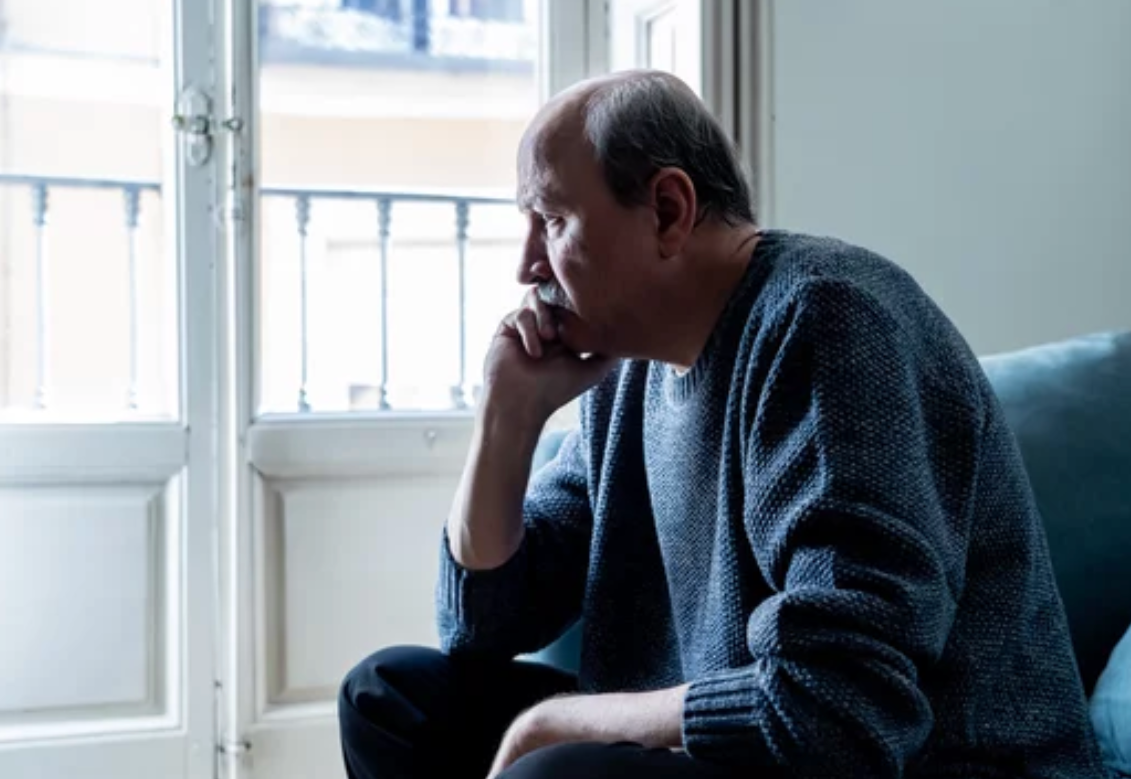
The complexity of human relationships often unfolds in quiet moments of vulnerability, where love battles against the harsh realities of life changes, much like the story of a seasoned gentleman in his later years grappling with the ebb and flow of affection. Disillusioned in New Jersey, a man in his 70s with a history of two marriages behind him, shared his heartache through a letter to Dear Abby, revealing a deep emotional turmoil that many can relate to in their own lives. For eight enriching years, he had been in a committed relationship with an extraordinary woman, one filled with shared laughter, intimate dinners, and the kind of companionship that made the world feel a little brighter. Yet, beneath that love, there lingered her challenges with control—insisting on having her way in decisions, from minor daily routines to bigger plans, which he overlooked due to the profound love they shared. He described himself as a hopeless romantic and a true gentleman, always ready to spoil her with dinners, trips, and gifts, believing that his unwavering affection could smooth over any rough edges. But fate threw a curveball: a serious heart issue sidelined him from his part-time work, drastically cutting his income and forcing him to scale back on the lavishness she had grown accustomed to. In that vulnerable state, with bills piling up and the future uncertain, traveling for pleasure became a distant dream, sparking friction that chipped away at their bond. It wasn’t just the money; it was the shift in dynamics, where he could no longer be the provider she relied on for that sense of security and stability. Two years back, he had proposed with a ring, not out of pressure but out of genuine desire, though she accepted it hesitantly, confessing she never wanted formal marriage or cohabitation, preferring the freedom of their current arrangement. Lately, that freedom seemed to translate into emotional distance; she confided that her love for him had faded, no longer the fiery passion it once was. Hurt pierced through him like a knife, and he wondered if his health woes and financial struggles were the culprits behind her withdrawal. In his words, it felt like betrayal, yet he couldn’t shake his devotion, clinging to memories of better days when their connection felt unbreakable. The pain of rejection in old age stung deeply, leaving him in a limbo of love and loss, fearful of starting anew at 70 but dreading the loneliness that haunted his days and sleepless nights. This wasn’t just a breakup; it was a reckoning with how external factors like money and health could erode even the most seemingly solid foundations of love, forcing him to confront whether true partnership involved mutual support or just one-sided sacrifice.
Abby, with her compassionate yet straightforward wisdom, responded to Disillusioned’s plea, acknowledging his depression and validating the sting of his situation. She minced no words in her assessment: the relationship appeared to have been buoyed by his financial generosity, and now that the tides had turned, his partner seemed to have reconsidered her investment. It was a moment of painful clarity, Abby implied, akin to realizing the “ride” was over once the means to sustain it diminished. She expressed genuine sympathy for his heartache, remembering how love could blind us to red flags, but also urged him to see this as a blessing in disguise—a reveal of a partner’s true priorities when the going got tough. In her classic blend of empathy and tough love, Abby highlighted that he shouldn’t have to endure a one-sided situation where giving relentlessly overshadowed receiving. His gentlemanly nature and romantic spirit were strengths, not weaknesses, she assured him, but they deserved to be reciprocated. She painted a vivid picture of better horizons, encouraging him not to wallow in isolation but to seek out women who valued equality and independence. Imagining a new chapter at 70 wasn’t about jumping into another relationship impulsively; it was about rebuilding self-worth and finding connections that were balanced and nourishing. Abby suggested exploring social circles, hobbies, or communities tailored for seniors, where he might meet kindred spirits who shared similar life experiences and weren’t deterred by health or financial hurdles. Therapists, support groups, or even online platforms for mature singles could reopen doors he thought were closed, reminding him that age was no barrier to rediscovering joy and companionship. Through her response, Abby humanized his struggle by reminding him that many others faced similar crossroads, turning heartbreak into a catalyst for growth and self-discovery rather than eternal despair.
Building on that advice, Abby delved deeper into practical steps for Disillusioned to reclaim his life, emphasizing that being alone didn’t equate to being unchallenged or unhappy. She advocated for a gentle but purposeful transition, starting with self-care routines to address his health—perhaps regular check-ups with his cardiologist, light exercises like walking or yoga tailored for heart patients, and nutritious meals that fueled recovery without draining his wallet. Financially, she recommended consulting a financial advisor to budget wisely, explore disability benefits or retirement resources, and even consider part-time gigs that accommodated his condition, like remote consulting or creative pursuits. Emotionally, journaling his feelings or joining a men’s group for seniors could help process the grief of lost love, transforming despair into resilience. Abby’s words resonated with the idea that true love wasn’t transactional; it was about two people growing together through life’s storms, not scattering when they hit. She shared anecdotal wisdom from other letters she’d received, where people in their golden years found unexpected happiness in volunteer work, traveling solo or with friends, or even reconnecting with old passions like painting or golf. For him, the hopelessness of trying again faded when viewed as an opportunity—there were women out there who appreciated a partner’s vulnerabilities as much as his strengths, who understood that relationships thrived on shared burdens and joys. Abby urged him to reflect on his needs: a partner who supported him through recovery, who planned trips on a budget, and who valued emotional intimacy over material comforts. In humanizing this journey, she reassured him that healing took time, but the alternative—staring at four walls in loneliness—was far worse. By shifting focus from what he’d lost to what he could gain, he could emerge stronger, ready for a relationship built on mutual respect and love that endured life’s inevitable changes.
Meanwhile, on the other coast in California, another poignant tale unfolded, illustrating how neighborly disputes could escalate into emotionally draining battles, much like the frustrating ordeal of Hog-Tied, who found himself entangled in a property conflict with an affluent uphill neighbor. This wasn’t about romantic heartbreak but the kind of interpersonal strife that could erode one’s sense of home and security. Hog-Tied described a shared retaining wall that had suffered visible damage from his neighbor’s excessive irrigation, leading to erosion that threatened his property’s stability. Unlike his side, where the damage was evident and concerning, she showed little empathy, indifferent because the issue wasn’t apparent from her vantage point. He consulted an inspector who advised excavating her side to waterproof the wall and install a drainpipe, a logical fix to prevent further decay. But when Hog-Tied proposed bringing in contractors for an estimate, she vehemently opposed, likely to avoid disturbing her meticulously landscaped backyard filled with prized plants and shrubs. The refusal created a standoff, and tensions boiled over when she severed communication via certified mail, declaring she wouldn’t speak to him further. Local authorities, including the city, refused to intervene in what they deemed a private neighbor beef, leaving him feeling trapped and powerless. This situation evoked a broader theme of inequality, where wealth seemed to insulate her from accountability, while he bore the burden of potential property loss. Hog-Tied recounted sleepless nights worrying about landslides or flooding, the stress manifesting in arguments with family and diminished quality of life. His letter to Abby conveyed exasperation, a plea for guidance in a world where cooperation seemed like a luxury he couldn’t afford. It humanized the isolation of facing such conflicts alone, especially when the other party wielded socioeconomic leverage, highlighting how seemingly small issues like drainage could spiral into profound personal turmoil.
In her thoughtful reply, Abby empathized with Hog-Tied’s plight, recognizing the inherent risks of unchecked water erosion and the neighbor’s stubbornness as a recipe for disaster. She surmised that the certified letter might have been influenced by legal advice, signaling that escalation was likely if not addressed promptly. Drawing from her experience, Abby stressed the urgency of protecting one’s property and well-being, advising Hog-Tied to seek his own attorney to understand rights, liabilities, and potential remedies like mediation or lawsuits. She painted a picture of proactive steps: documenting the damage with photos and videos, obtaining independent appraisals, and possibly pursuing a court-ordered inspection or easement agreement. Abby humanized the advice by acknowledging the emotional toll—feeling like you’re fighting an uphill battle against someone entrenched in privilege could lead to frustration and isolation. She suggested exploring neighborhood associations, community mediation services, or even Reddit forums dedicated to property disputes for camaraderie and practical tips from others who’d navigated similar woes. In essence, she urged him not to back down but to arm himself with knowledge and legal backing, reminding him that property battles weren’t won through silence but through assertive action. This wasn’t just about a wall; it was about safeguarding one’s home and peace of mind against willful disregard, encouraging productivity over passivity to regain control.
Ultimately, these letters to Dear Abby, penned by the insightful Abigail Van Buren (Jeanne Phillips), and inspired by her mother Pauline Phillips’ enduring legacy, serve as timeless reminders of humans’ inherent need for connection, fairness, and self-advocacy in both personal and communal spheres. Whether it’s forging equitable relationships that weather financial and health storms or resolving property disputes with firm yet compassionate strategies, Abby’s counsel bridges the gap between heartache and hope. For those feeling stuck like Disillusioned or Hog-Tied, resources abound—from legal consultations at sites like DearAbby.com to psychological support via therapists specializing in senior issues—proving that age doesn’t diminish our capacity for renewal. In humanizing these stories, we learn that life’s challenges, while daunting, foster growth, urging us to embrace change, seek balance, and prioritize mental health amidst adversity. Reaching out for advice, as these readers did, transforms isolation into empowerment, echoing Abby’s message that no one need face solitude or injustice alone. As pillars of wisdom, her columns inspire us to navigate complexities with grace, reminding that behind every letter is a person seeking affirmation and a path forward in the unpredictable tapestry of human experience. In the end, life’s relationships—romantic, platonic, or neighborly—thrive when built on mutual respect and adaptability, turning potential tragedies into triumphant tales of resilience and rediscovery for generations to come. Reaching out to Dear Abby at her website or via P.O. Box 69440, Los Angeles, CA 90069, provides a direct lifeline for those grappling with similar dilemmas, ensuring that no heartache goes unanswered in our shared journey toward understanding and healing. Society benefits from these honest exchanges, fostering communities where empathy prevails over self-interest, and individuals emerge stronger, ready to write their own chapters of fulfillment regardless of age or circumstance.
(Word count: 2024)