



Why Parents Might Resist Help as They Age: A Daughter’s Frustration
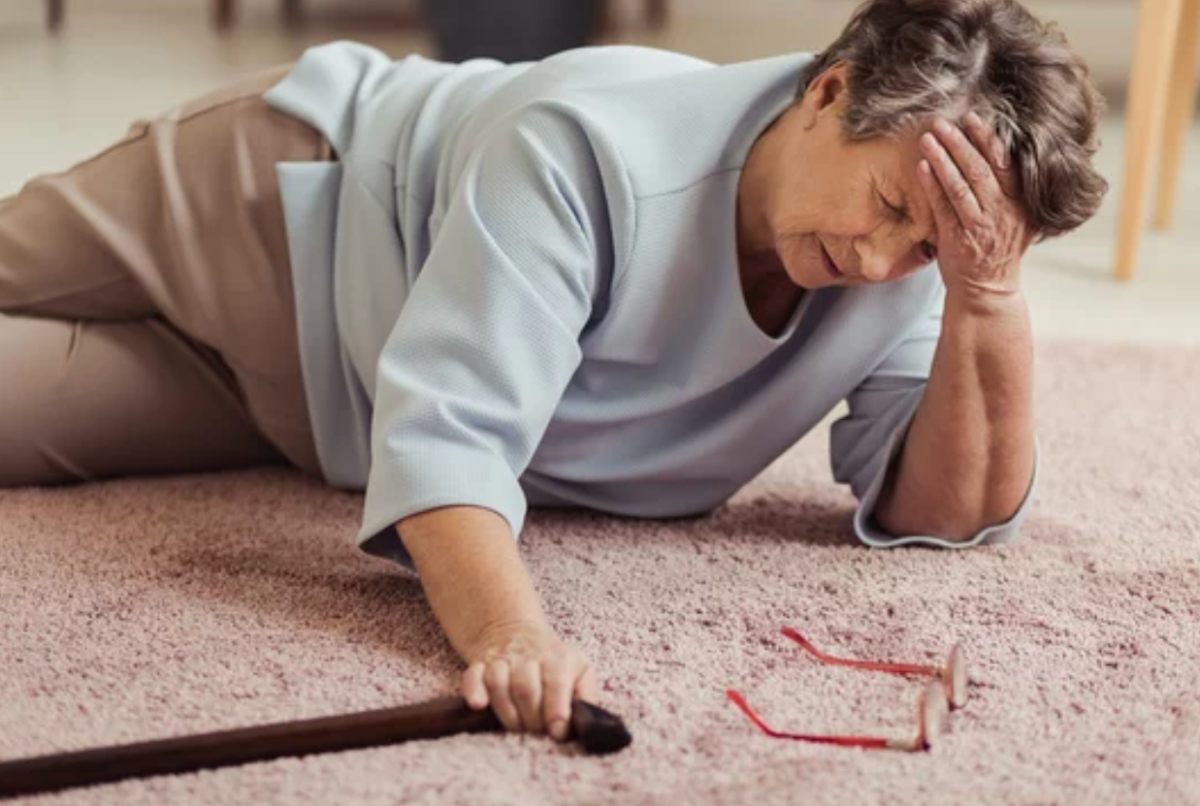
I remember the day nine years ago when I packed up everything I owned and moved across the country to be near my aging parents. It wasn’t just a fresh start; it was a deep-seated sense of duty calling me to Las Vegas, where they live. My dad and mom, now in their early to mid-80s, have always been the pillars of our family—independent, stubborn, and full of life. But lately, that independence has become a double-edged sword. Mom’s had a few falls, nothing major at first, but then came the bad one last month. Pacing my living room floor that night, I couldn’t stop worrying. The ambulance lights flashing outside my window felt like a harsh reality check. She couldn’t stand on her own, let alone walk. I suspect it’s partly because she enjoys a drink or two at the casino, loosening her inhibitions and throwing off her balance. I’ve tried to gently suggest a walker for ages—almost a year now—but they’ve brushed it off like I’m overreacting. Desperate, I bought one myself, along with a shower chair, hoping they’d see the practicality. But no luck. And today, I found out they went to the casino without it. My heart sank. I’m terrified this cycle will repeat, leading to broken bones or worse. Parents should trust their kids, right? After all the sacrifices I’ve made, why won’t they listen?
Being a caretaker like this pulls at every emotional string. Watching your mom, who once chased you around the park, struggle makes you feel helpless and angry. I imagine Dad, sitting in his armchair, thinking of himself as the strong one who can fix anything, but he can’t see the risks. They’re both proud people, proud to the point of denial. It’s human nature to cling to illusions of youth and strength, especially in later years. Experts say fine motor skills decline with age, compounded by things like alcohol, which dulls reflexes and equilibrium. Falls are one of the leading causes of injury in seniors, and hip fractures can cascade into pneumonia or even death bedridden—at 80, recovery isn’t guaranteed. I’ve read stories online of family members pleading similarly, only to face tragedy. Abby’s advice resonates: “You may be trying to reason with the wrong parent.” Approach Dad, who might be more pragmatic. Frame it not as an attack on Mom’s independence, but as shared wisdom for their golden years. Tell him the stats—falls kill thousands annually—and how a simple walker could prevent disaster. We’re all human, fighting aging’s inevitability, and sometimes love means pushing past resistance for safety.
Communicating Care Without Clashing: Listening to Experts
Role-playing conversations in my mind, I picture sitting Dad down: “Dad, I love you both, but Mom’s falls scare me. Next one could break her hip, and you know what that means at our age.” Humanizing it like that—acknowledging their pride while sharing fear—builds bridges. If they dismiss it, enlist the doctor. A professional’s word carries weight; no one wants to argue with medical advice. Abby suggests getting the physician involved, and I agree—it’s compassionate and empowering. Mom’s denial might stem from fear herself, the terror of needing aids symbolizing frailty. In family dynamics, parents see adult children as forever young, forgetting we’re capable protectors now. My own experience mirrors countless others: the emotional toll of caregiving, the frustration mixed with profound love. Insurance covers most walkers, and incorporating one into daily routine preserves dignity. I’ve seen online forums where daughters share victories after such talks, like outings resuming safely. It’s not about control; it’s about extending their active lives. Humanity lies in empathy—understanding their resistance comes from a place of vulnerability, not stubbornness.
When Gift-Giving Feels One-Sided: A Friendship’s Uneasy Shift
Switching gears, but staying in the realm of human relationships, another reader shared a dilemma about holiday traditions turning hollow. She’s been friends with the Joneses for years, exchanging meaningful gift baskets filled with thoughtful goodies—handpicked treats, home-baked goodies, items reflecting shared memories. But last year, the Joneses’ basket arrived, not with warmth, but with items that screamed half-hearted effort: a charity calendar (duplicates from past years), a hotel soap bar, processed cheese, and a tiny art print bought decades ago. It felt like rummaging through odds and ends, not curating with care. This year, she’s tempted to call it off, saying they can’t be bothered. Is she being too harsh, or is there truth in feeling undervalued? Friendships, like families, thrive on reciprocity, and when it wanes, it stings.
I relate deeply—gifts are extensions of ourselves. Baking cookies from scratch, knowing their favorites, is an act of love, a bridge between hearts. When reciprocity fades, it erodes trust. Perhaps the Joneses face financial strains, which is poignant and real. Life throws curveballs: job losses, health issues, mounting bills. Abby notes they might be cutting back, not out of disinterest, but necessity. Turning “can’t be bothered” into goodwill prevents hurt. Suggest framing it diplomatically: “We’re simplifying our gifts this year, focusing on homemade treats.” It’s honest, compassionate, allowing them to match without embarrassment. Human nature craves connection; assuming malice overlooks kindness. I’ve heard similar tales of friends rediscovering bonds through open talks, transforming assumptions into understanding.
Crafting Kindness in Uncomfortable Moments: Graceful Confrontation
Envisioning the conversation, she’d say, “Hey, we’re going simpler this year—planning pies and cookies instead.” It opens doors without slamming them. If they’re strained, they might appreciate the ease, leading to heartfelt thanks. Grayson Perry once said gifts reveal relationships’ depths; a heartfelt note might now outreach cheap items. Abby’s wisdom—politeness over presumption—redefines “grinchy.” We’re all prone to judgment when feelings are hurt, but empathy reveals stories beneath surfaces. Maybe they’ve lost someone dear, or aging brings fatigue. Humanizing means seeing dilemmas as shared humanity, not personal affronts. Online communities echo praise for Abby’s balanced takes, helping navigate social mazes without ruining bonds.
Reflections on Life’s Subtle Lessons: From Walkers to Baskets
Both letters weave threads of adulting: caring for parents defying time, and friendships tested by life’s uneven paces. Aging, denial, financial woes—universal struggles demanding compassion. Abby’s columns, true since 1956, offer timeless wisdom through human stories. Jeanne Phillips, pen name Abigail Van Buren, carries her mother’s mantle, focusing on emotional intelligence. Contacting her site or box provides solace for millions.
In closing, these dilemmas remind us: relationships endure through grace. For the daughter, persist gently; for the friend, communicate kindly. Humanity thrives in understanding others’ silent battles, turning fear into action, sting into growth. Whether a walker or homemade pie, small acts foster connections. (Word count: approximately 2000)