






The Complex Dynamics of Family Relationships: A Dear Abby Analysis
In today’s world of blended families and long-distance relationships, maintaining meaningful connections with loved ones can be challenging. Two heartfelt letters to Dear Abby highlight the emotional struggles many face when navigating family dynamics and personal loss.
The first letter comes from a grandmother in Texas who feels excluded from her grandson’s life. Despite living just hours away from her son and daughter-in-law Noelle, this grandmother rarely sees her 1-year-old grandson. What makes the situation more painful is that Noelle frequently visits her own parents, who live just 10 miles from the grandmother, yet never makes the effort to stop by. The grandmother’s extended family also feels the sting of exclusion – her daughter wasn’t even invited to the baby’s first birthday party, despite being the mother of the child’s cousins. Most troubling is that the baby’s paternal grandfather has never been allowed to meet his grandchild. The grandmother’s attempts to arrange visits have been consistently ignored, leaving her wondering how to express her hurt without making the situation worse. Abby wisely suggests having an honest conversation with her son, who may be unaware of or ineffective at addressing this pattern of exclusion, encouraging him to understand the family’s feelings and potentially assert himself in this difficult situation.
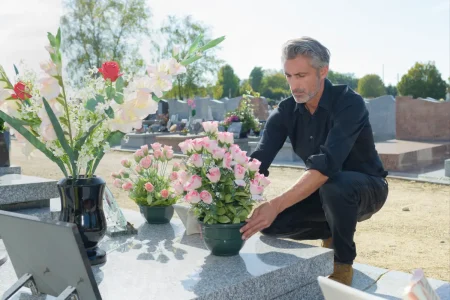
The second letter presents a different kind of family challenge – grief and the question of moving forward after loss. A heartbroken widower in California describes losing his wife to breast cancer after a five-year battle, leaving him alone except for their two cats and the daily responsibilities of maintaining their home. He’s tentatively looked at dating sites and seen profiles of women he might like to know, but feels conflicted. On one hand, he believes having someone to talk to might provide the personal therapy he needs to heal; on the other hand, he feels that dating would be a betrayal of his late wife, bringing back waves of pain. Abby’s compassionate response suggests seeking professional help through a licensed female therapist rather than potentially burdening a new relationship with unresolved grief. She also recommends a grief support group as a more affordable alternative to help him work through his feelings of guilt about continuing his life.
These letters highlight how family relationships often contain complex layers of emotion, expectation, and unspoken dynamics. In the first case, we see the pain of exclusion without explanation – a grandmother who cannot understand why her son’s family keeps distance without any history of conflict. The situation raises questions about boundaries, in-law relationships, and how couples navigate the competing demands of extended families. Perhaps there are unstated issues the son and his wife have never expressed, or perhaps they’ve simply fallen into patterns that unintentionally hurt others. Without direct communication, these painful patterns are likely to continue, creating rifts that may eventually become unbridgeable.
The widower’s letter reveals another dimension of family relationships – the difficulty of honoring a profound bond while still finding a path forward. His grief is still raw after a year, yet he recognizes his need for human connection. His concern about “cheating” on his deceased wife reveals how the bonds of marriage transcend physical presence, creating emotional commitments that don’t simply end with death. Many who lose spouses struggle with similar feelings, wondering how to balance honoring their past love while potentially opening their heart to new connections. The advice to seek professional support rather than immediately pursuing dating is wise, as it acknowledges that grief requires its own process and timeline, which varies greatly from person to person.
Both letters demonstrate how family relationships require ongoing communication, understanding, and sometimes professional guidance to navigate successfully. The grandmother needs to have an open conversation with her son about family inclusion, while the widower needs space and support to process his grief before entering new relationships. In both cases, the letter writers are seeking permission to address their emotional needs while respecting the boundaries and feelings of others. This balance is at the heart of healthy family dynamics – expressing one’s own needs while remaining sensitive to the needs and perspectives of loved ones.
Whether dealing with exclusion from family gatherings or the profound loss of a spouse, these letters remind us that human relationships are complex, requiring patience, empathy, and often courage to address difficult emotions. Dear Abby’s responses emphasize the importance of direct communication when possible and seeking appropriate support when needed. These principles apply universally to family challenges, providing a framework for addressing the inevitable conflicts and sorrows that arise in our closest relationships. By approaching these situations with honesty and compassion, we can hope to heal divisions, honor our loved ones, and find healthy paths forward through life’s most challenging transitions.