





When Dreams and Reality Collide: Navigating Difficult Relationships
In the complex landscape of human relationships, few challenges are as painful as watching a once-loving partnership deteriorate into toxicity or feeling abandoned by someone you believed would be your lifelong companion. Two poignant stories shared with Dear Abby illuminate these struggles, offering a window into the emotional turmoil that can accompany troubled marriages and painful breakups.
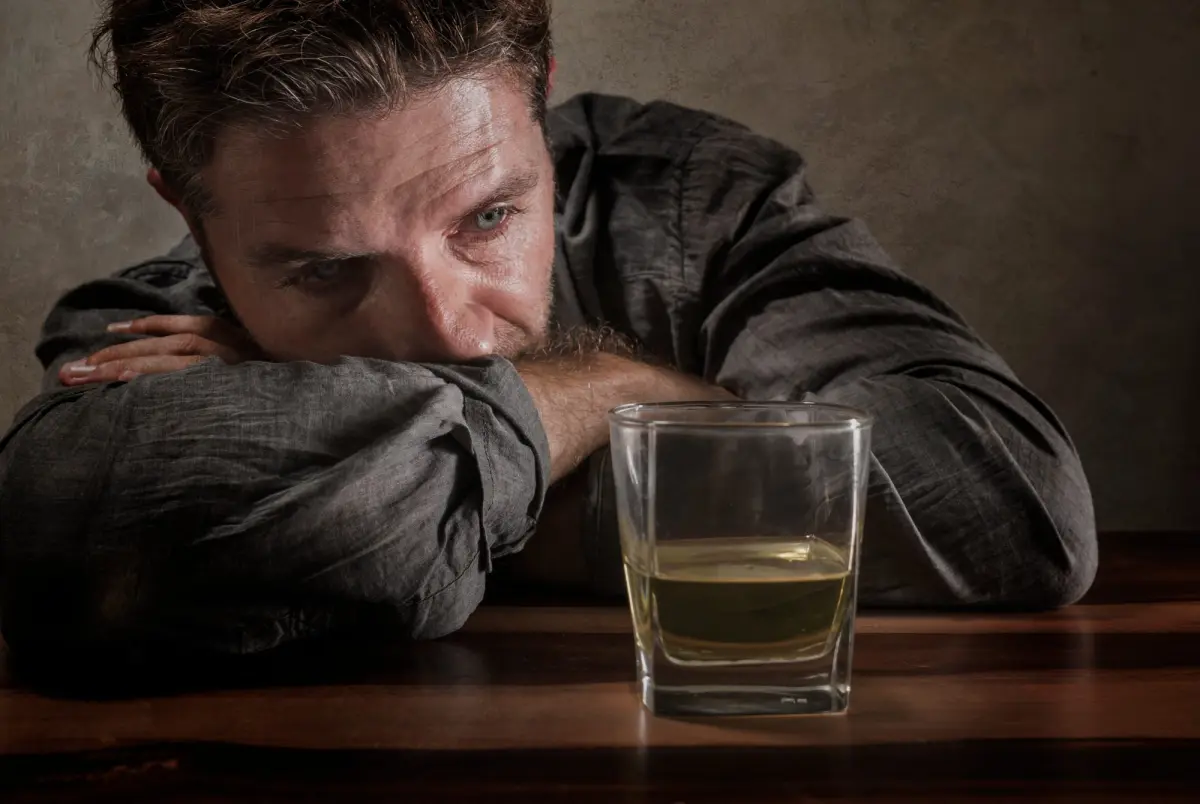
The first letter comes from a woman in Idaho whose marriage has become a source of constant anxiety and distress. Her husband of fifteen years, Seth, has developed deeply troubling behaviors since retiring. What was once presumably a loving relationship has devolved into one characterized by verbal abuse, excessive drinking, and disrespect. Seth’s negative attitude has not only affected their marriage but has also damaged the writer’s relationships with friends and family. The situation has become so unbearable that she describes feeling like she’s “walking on eggshells” in her own home and dreads returning from work. Perhaps most concerning is her reflection that she once was an “independent, capable person,” suggesting that the toxic dynamics have eroded her sense of self. This transformation from confidence to fear illustrates how emotional abuse can gradually reshape one’s identity and self-perception over time, creating a shadow of the person who once existed.
The second correspondent shares an equally heartbreaking tale of betrayal and abandonment. She and her ex-husband began as best friends who shared everything and planned a future together that included children. Following his guidance, she patiently waited five years after their marriage to start a family, trusting that they were working toward their shared dream of parenthood. However, once they purchased their home, her husband revealed that he no longer wanted children—a devastating revelation that fundamentally altered the future she had envisioned. The situation worsened when he invited his extended family to move into their home, making her feel like a guest rather than a spouse. The final blow came when he moved out, taking his family with him and leaving her entirely alone. Years later, she still carries the emotional weight of this abandonment, questioning whether she could have saved the marriage by abandoning her desire for children and struggling to understand how someone who was once her “everything” could let her go so easily.
Both stories highlight a painful truth about relationships: sometimes the person we love transforms into someone unrecognizable, or reveals aspects of themselves that were hidden beneath the surface all along. For the first writer, her husband’s retirement seems to have unleashed or exacerbated negative tendencies that have made their home life unbearable. His excessive drinking, verbal abuse, and disrespect for her basic needs reflect serious issues that go beyond normal relationship difficulties. As Abby wisely suggests, this situation calls for firm boundaries and possibly an ultimatum regarding his drinking and abusive behavior. The recommendation to attend Al-Anon meetings acknowledges that living with an alcoholic partner creates unique challenges that require specific support. Most importantly, Abby’s advice to “save yourself” recognizes that sometimes self-preservation must take precedence over saving a relationship, especially when that relationship has become harmful.
The second story reflects a different kind of pain—the grief that comes when shared dreams and promises are unilaterally abandoned. This woman’s ex-husband didn’t just change his mind about having children; he systematically dismantled their entire life together, replacing her with his birth family and leaving her alone to process the betrayal. The lingering guilt she feels—wondering if she could have saved the marriage by giving up her desire for children—reveals how easily those who are abandoned can blame themselves for another’s decisions. Abby’s characterization of her attachment to a “fantasy” rather than reality is particularly apt. She’s holding onto the memory of the person she thought her husband was, rather than accepting the reality of who he revealed himself to be through his actions.
These stories remind us that relationships require both parties to actively nurture and respect each other’s needs and dreams. When one partner consistently disregards the other’s well-being, whether through verbal abuse or betrayal of fundamental agreements, the relationship becomes unsustainable. Both writers are experiencing the painful process of reconciling the partners they thought they had with the reality of who those partners actually are. For the first woman, this means recognizing that her husband’s behavior isn’t simply annoying or difficult—it’s abusive and potentially dangerous to her mental health. For the second, it means accepting that her ex-husband didn’t truly share her vision for their future, despite his claims, and that his departure reflects his character, not her worth.
The path forward for both women requires the difficult work of reclaiming their sense of self outside these relationships. For the woman dealing with an alcoholic, verbally abusive husband, this might mean setting firm boundaries, seeking support through resources like Al-Anon, and potentially leaving the relationship if her husband refuses to address his harmful behaviors. For the abandoned wife, healing will likely involve professional therapy to process her grief and guilt, rebuilding her vision of the future without her ex-husband, and gradually opening herself to new possibilities. Both women share a common need: to recognize their own value apart from these relationships and to understand that while love is precious, it should never come at the cost of one’s dignity, safety, or fundamental well-being. Their stories serve as powerful reminders that sometimes the most loving thing we can do for ourselves is to let go of relationships that diminish rather than enhance our lives.